How Do You Choose the Right Biological Safety Cabinet for Your Laboratory?
News Details
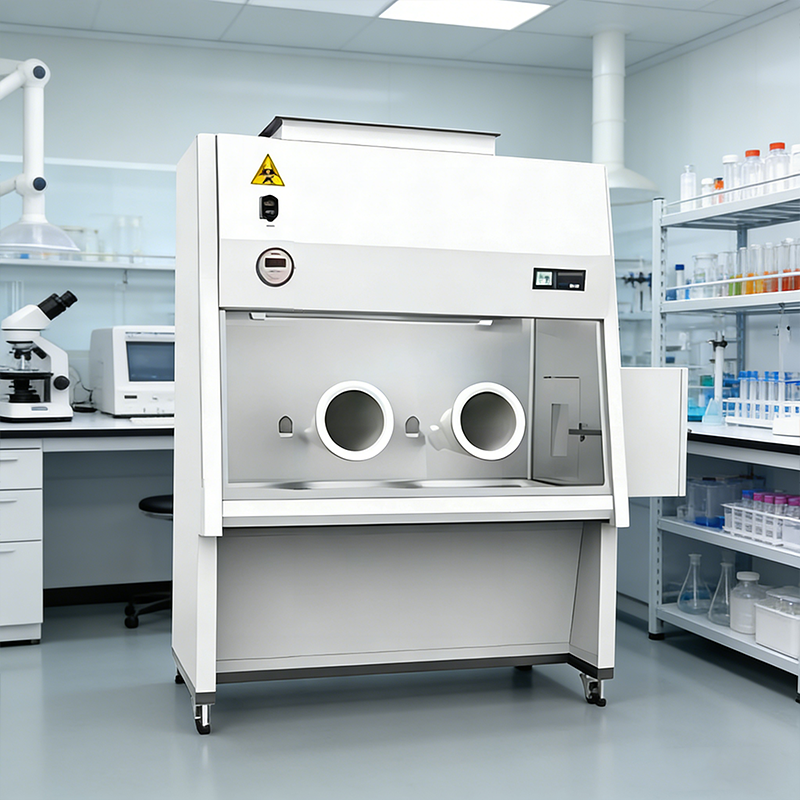
Selecting the right biological safety cabinet is essential for ensuring laboratory safety, protecting sensitive samples, and meeting regulatory requirements. Whether you refer to it as a bio safety cabinet, biosafety cabinet, or BSC cabinet, this equipment plays a critical role in laboratories handling biological agents.
With multiple types, configurations, and features available, choosing the best biological safety cabinet requires a clear understanding of your laboratory’s needs. This guide will help you make an informed decision while naturally incorporating high-value SEO keywords like bio safety cabinet, BSC cabinet, and biological safety cabinet.
What Is a Biological Safety Cabinet?
A biological safety cabinet (BSC cabinet) is a ventilated enclosure designed to protect:
-
Personnel from exposure to biohazards
-
Products from contamination
-
Environment from harmful biological agents
A bio safety cabinet uses HEPA filtration and controlled airflow to create a sterile and contained workspace, making it essential in microbiology, pharmaceutical, and clinical laboratories.
Key Factors to Consider When Choosing a Biological Safety Cabinet
1. Type of Work and Risk Level
The first step in selecting a biological safety cabinet is identifying the type of biological materials being handled.
-
Low-risk work → Basic BSC cabinet
-
Moderate-risk pathogens → Class II biological safety cabinet
-
High-risk agents → Class III bio safety cabinet
Your laboratory’s biosafety level (BSL) should guide your selection.
2. Cabinet Class: Class I, II, or III
Different classes of biosafety cabinets provide different levels of protection.
Class I BSC Cabinet
-
Protects personnel and environment
-
No product protection
Class II Biological Safety Cabinet
-
Most widely used bio safety cabinet
-
Provides personnel, product, and environmental protection
-
Ideal for research and pharmaceutical labs
Class III Biological Safety Cabinet
-
Fully enclosed, gas-tight BSC cabinet
-
Used for high-risk pathogens
Choosing the right class is critical for safety and compliance.
3. Airflow Design and Filtration System
A high-quality biological safety cabinet should provide stable airflow and efficient filtration.
Key features to evaluate:
-
HEPA or ULPA filtration efficiency
-
Laminar airflow consistency
-
Inflow and downflow velocity
-
Air recirculation vs full exhaust
A properly designed bio safety cabinet ensures both containment and sample protection.
4. Laboratory Space and Layout
The size and layout of your laboratory will influence the type of BSC cabinet you choose.
Consider:
-
Available floor space
-
Ceiling height
-
Clearance for maintenance
-
Placement away from doors and vents
A well-positioned biological safety cabinet improves airflow stability and user safety.
5. Ducted vs Ductless Biological Safety Cabinets
Some biosafety cabinets require external exhaust systems, while others recirculate filtered air.
Ducted BSC Cabinet
-
Connected to building exhaust
-
Suitable for hazardous materials
Ductless Bio Safety Cabinet
-
Uses internal filtration
-
Easier to install and more energy-efficient
Your choice depends on laboratory infrastructure and application requirements.
6. Compliance with Safety Standards
When selecting a biological safety cabinet, ensure it meets international standards.
Relevant organizations include:
-
Centers for Disease Control and Prevention
-
World Health Organization
-
National Sanitation Foundation
Compliance ensures your BSC cabinet meets performance and safety requirements.
7. Ergonomics and User Comfort
A well-designed bio safety cabinet should support long working hours without causing fatigue.
Look for:
-
Adjustable sash height
-
Comfortable armrest design
-
Share to:


