Ample

Laboratory & Office Furniture Manufacturer & Project 

Solution Provider

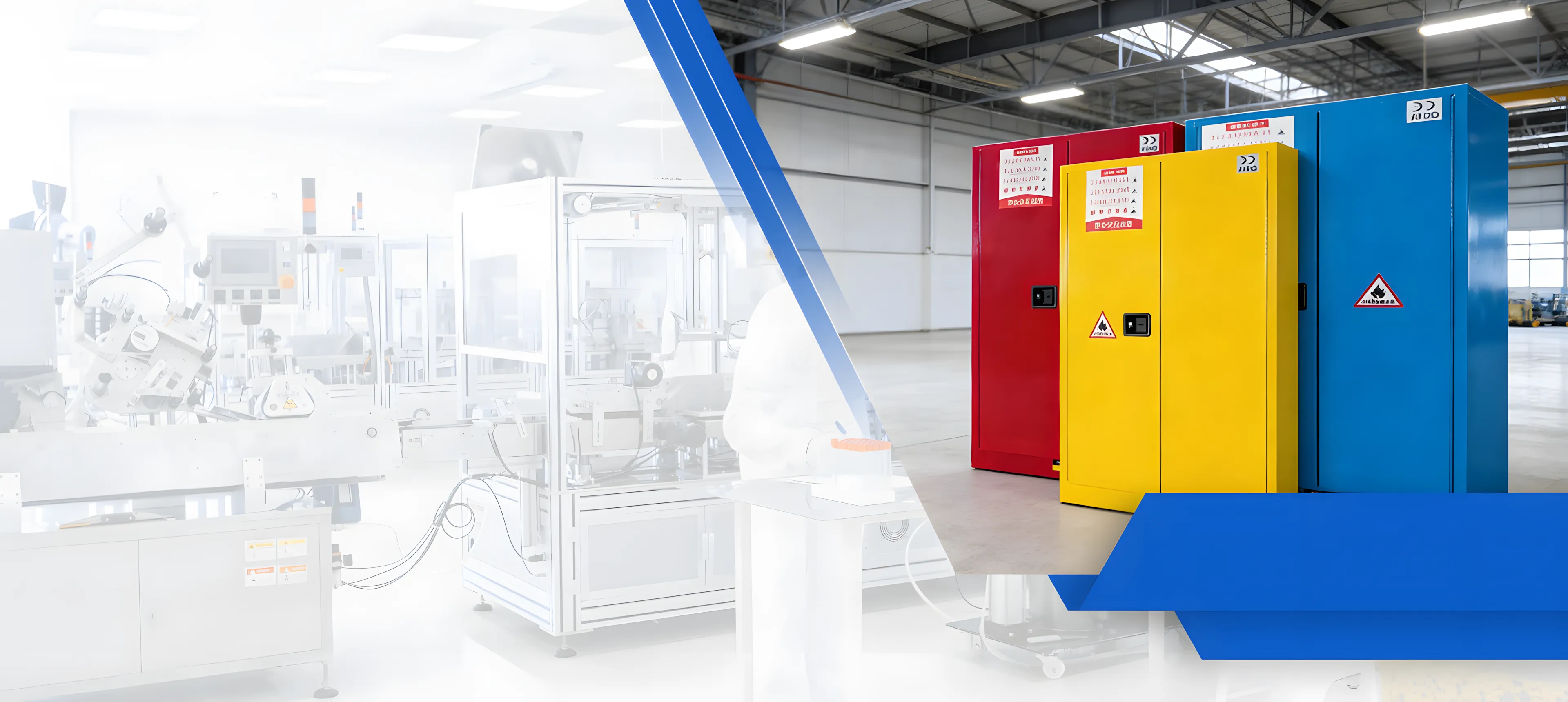
LAB SAFETY CABINET
Ample

Manufacturer & Solution Integrator for Laboratory and

Office Furniture

ERGONOMIC OFFICE CHAIR
Ample

A one-stop solution provider for laboratory & office furniture,

serving global engineering, education, healthcare and industrial projects.

BIOSAFETY CABINET
Ample

Laboratory & Office Furniture Manufacturer & 

Project Solution Provider

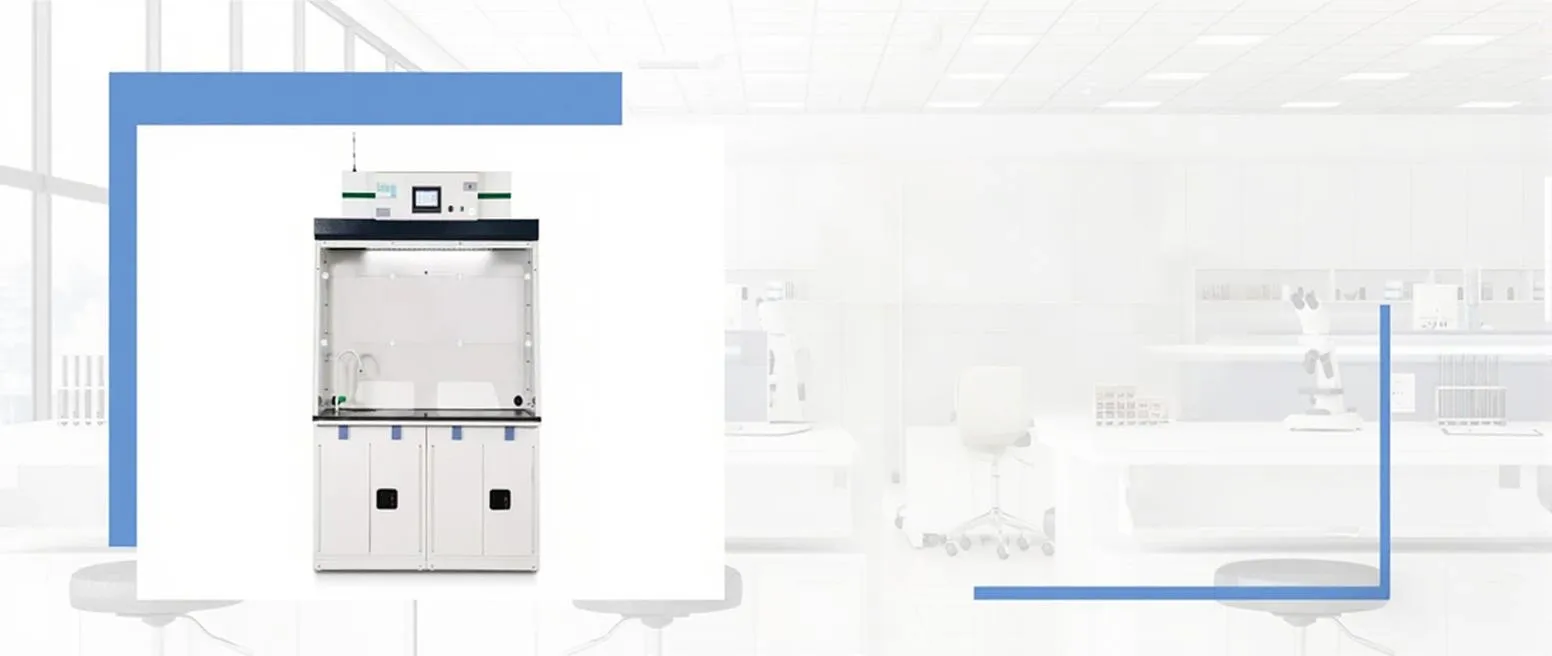
FUME HOOD
image
About AMPLE

APMLE Solutions is a manufacturer and integrated solution provider of laboratory safety equipment, offering fume hoods, flammable storage cabinets, gas cylinder cabinets, laminar flow cabinets, acoustic pods, and ergonomic office chairs with full design-to-delivery capability.


With strong manufacturing and system integration expertise, we provide customized solutions for high-risk laboratories worldwide. All products comply with CE, EN, ISO, NFPA, and ASHRAE standards, serving universities, research institutes, hospitals, and industrial projects across global markets.

Highlight of the Exhibition

image
image
image
image
Certificate

🟠Full Compliance with EU Safety, Health and Environmental Protection Requirements (CE Certification)


🟠Internationally Recognized Quality Management System Ensuring Consistent Product Quality (ISO 9001 Certification)


🟠Strict Medical Device Quality Management System Meeting Global Healthcare Standards (ISO 13485 Certification)


🟠Environmentally Responsible Manufacturing in Compliance with Hazardous Substance Restrictions (RoHS Compliance)

Customized solutions
Int'l standards compliance
High-risk scenario adaptation

Featured products

image
Laboratory Chemical Fire Resistant Flammable Safety Storage Cabinet

This Flammable Safety Storage Cabinet is specially designed for secure storage of flammable liquids, chemicals, paints and solvents in laboratories, factories and industrial workplaces. Constructed with heavy-duty cold-rolled steel, it features fire-resistant structure, leak-proof sump, air vents and self-closing, lockable doors to isolate hazards and prevent fire risks. Compliant with standard safety regulations, it effectively controls chemical leakage, delays fire spread and ensures safe, organized containment of flammable materials to protect personnel and property.

image
CE Certified Perchloric Acid Polypropylene Resistant Fume Hood

This PP Fume Hood is specially designed for laboratory use to safely extract and filter corrosive chemical fumes, vapors and gases. Made of integrated polypropylene(PP) with superior acid-alkali resistance, it features an efficient exhaust fan, anti-corrosion air duct, adjustable air valve and splash-proof worktop. It effectively removes hazardous fumes, maintains air cleanliness, protects operators from chemical exposure, and is widely applied in chemistry labs, research centers and industrial testing rooms.

image
Pharmacy Laboratory Biological Safety Cabinet Class II A2

This Class II A2 Biological Safety Cabinet offers professional protection for personnel, environment and samples during handling of infectious materials, microorganisms and biohazards. It features HEPA filtered inflow and downflow air, negative pressure design, anti-contamination structure and user-friendly operation. Meeting international biosafety standards, it effectively blocks aerosol and splatter exposure, supports safe cell culture, bacteriological testing and clinical research, and is widely used in medical labs, research centers and diagnostic facilities.

image
Laboratory Universal Fume Exhaust Hood

This Universal Fume Exhaust Hood is a multi-purpose ventilation unit for general laboratory and industrial fume extraction. It efficiently captures and discharges chemical vapors, dust, odors and non-corrosive aerosols with stable negative pressure and adjustable airflow. Built with durable steel, tempered glass sash and user-friendly controls, it ensures operator safety and workspace cleanliness. Suitable for routine experiments, sample preparation and manufacturing processes, it conforms to standard safety norms and offers reliable all-around ventilation.

image
Eco-Friendly Quiet Acoustic Soundproof Steel Frame Booth

This Soundproof Office Pod is a premium enclosed workspace engineered for open-plan offices, co-working hubs and corporate campuses. Featuring multi-layer acoustic panels, double-glazed tempered glass and airtight seals, it achieves 30+ dB noise reduction (ISO 23351-1 compliant). Integrated silent ventilation, dimmable LED lighting and universal power/USB-C ports enable focused deep work, confidential calls and glitch-free video conferences, with quick plug-and-play installation and modular sizing options.

Featured News

Ample
Ductless Fume Hood Manufacturer: What Should Buyers Look For?
Ductless Fume Hood Manufacturer: What Should Buyers Look For? Learn how to select a ductless fume hood manufacturer. Compare filtration, safety, materials, customization, cost, and AMPLE lab solutions.
Laboratory Project Ductless Fume Hood Solutions
Laboratory Project Ductless Fume Hood Solutions Custom ductless fume hoods are an important tool in protecting laboratory personnel from hazardous fumes, vapors, and particulates. Their self-contained filtration systems eliminate the need for external ducting, making them highly adaptable to existing lab layouts and renovation projects. As labs across pharmaceuticals, biotechnology, chemicals, and academia increasingly turn to safer, more flexible containment solutions, custom ductless fume hoods have become central to modern lab design. At AMPLE, we specialize in engineered laboratory containment solutions, including ductless fume hoods tailored to airflow, filtration, and safety requirements. In this guide, we’ll explore how custom ductless fume hoods work, design options, key safety features, and how they integrate into complete laboratory furniture systems. ## How Do Custom Ductless Fume Hoods Work? A ductless fume hood operates by drawing room air through a front sash opening, pulling contaminated air inward through internal filters, and recirculating clean air back into the lab environment. Unlike ducted fume hoods that exhaust air to the outside, ductless systems clean and reuse air, making them more energy efficient and flexible. The core components include: - A high-efficiency blower that maintains consistent inward airflow at the sash face. - A filtration chamber containing cartridges selected based on the chemicals used. - A monitor or controller that tracks airflow, filter saturation, and alarm conditions. - A work surface and containment body constructed from chemical-resistant materials. The filtration stage is the heart of the system. Depending on the application, filters can include activated carbon, impregnated carbon beds, HEPA or ULPA filters, or specialty media designed for specific compounds. Because chemical usage varies widely from one lab to another, custom ductless fume hoods must be configured carefully to match the exact hazards present. ## What Are the Benefits of Choosing a Custom Ductless Fume Hood? Custom ductless fume hoods offer several advantages over standard ducted hoods or off-the-shelf ductless units: ### Adaptability to Lab Space Custom hoods can be sized to fit unusual footprints, low ceiling heights, or specific work zones. They do not require rooftop duct runs, so they can be installed in almost any lab room, including leased facilities or historic buildings where structural modifications are limited. ### Energy Efficiency By recirculating conditioned air, ductless hoods reduce the load on heating, ventilation, and air conditioning systems. This can result in significant energy savings over time, especially in labs that operate long hours. ### Lower Installation Cost Eliminating ductwork, roof penetrations, and make-up air systems reduces upfront capital costs. Custom ductless hoods can often be operational within days rather than weeks or months. ### Flexibility for Changing Workflows As research programs evolve, filtration cartridges can be changed, and hoods can be relocated or reconfigured. This makes them ideal for multi-user labs, teaching environments, or facilities with shifting research priorities. ### Enhanced Safety Through Tailored Filtration Custom systems ensure the right filter media, face velocity, and containment design for the chemicals in use. This targeted approach reduces the risk of breakthrough or inadequate capture. ## Filtration Technologies for Custom Ductless Fume Hoods Choosing the right filtration technology is critical. Each lab’s chemical inventory, volumes, and processes determine which filter types are appropriate. ### Activated Carbon Filters Activated carbon is widely used for organic vapors and solvent fumes. The porous structure of carbon adsorbs gas-phase molecules, trapping them within the filter bed. Custom systems can specify carbon types, bed depths, and impregnation to handle a broader range of compounds, including acids, formaldehyde, ammonia, or hydrogen sulfide. ### HEPA and ULPA Filters For particulate hazards such as powders, nanomaterials, or biological aerosols, high-efficiency particulate air (HEPA) or ultra-low penetration air (ULPA) filters are added. These filters capture 99.97% or more of particles 0.3 micrometers in diameter. Many custom ductless hoods combine carbon and HEPA stages to address both vapor and particulate contaminants. ### Specialty and Impregnated Filters Some chemicals, such as strong acids or bases, require impregnated carbon or proprietary filter media. Custom ductless fume hood manufacturers can source and configure these filters based on safety data sheets, vapor pressure data, and expected concentrations. ### Filter Monitoring and Replacement Modern custom ductless fume hoods include digital monitors that track airflow resistance, filter load, and saturation. Alarm thresholds alert users when filters need replacement. In some systems, real-time sensors or sampling ports allow periodic testing of filter efficiency. ## Design Options and Configurations Custom ductless fume hoods can be designed around specific workflows, ergonomic needs, and safety requirements. ### Sash and Workspace Design Hoods can feature horizontal sliding sashes, vertical rising sashes, or combination designs. Clear sightlines, low sash heights, and adjustable work surfaces improve user comfort. Some labs require wide openings for large equipment, while others prioritize containment for fine chemical manipulation. ### Material Construction Custom hood bodies are often built from chemical-resistant composites, polypropylene, or coated steel. Work surfaces may be epoxy resin, phenolic resin, or stainless steel depending on chemical exposure and cleaning protocols. ### Integrated Lighting and Electrical Services LED lighting, gas fixtures, electrical outlets, and data ports can be integrated into the hood body or adjacent furniture. Custom layouts ensure that users do not have to interrupt airflow or reach across hazardous zones to access services. ### Benchtop vs. Floor-Mounted Units Benchtop hoods are placed on laboratory benches and are common for general chemistry or analytical work. Floor-mounted or walk-in hoods accommodate larger apparatus, reactors, or equipment that requires access from all sides. ### Auxiliary Features Options include: - Airflow alarms and digital controllers. - Spark-resistant blowers. - Cascading or variable-speed fans. - Casters for mobility. - Optional scrubbers or polishing filters. These design choices ensure the hood aligns with real lab tasks rather than forcing users to adapt to a generic product. ## Safety Considerations and Best Practices While ductless fume hoods offer strong containment, they must be selected, installed, and maintained correctly to ensure worker protection. ### Application-Specific Validation Not every chemical is suitable for ductless filtration. Highly toxic, carcinogenic, or volatile compounds may require ducted systems or additional controls. A qualified manufacturer or industrial hygienist should review chemical inventories and processes before specifying a custom ductless hood. ### Maintaining Proper Face Velocity Face velocity—the speed of air entering the hood—must be kept within recommended ranges, typically between 60 and 100 feet per minute, depending on the application. Too little velocity allows contaminants to escape; too much turbulence can disrupt experiments or cause eddies. ### Filter Change Schedule Filters must be replaced on schedule based on
Ductless Fume Hood Cost: What Buyers Should Know When investing in laboratory safety equipment, understanding ductless fume hood cost is essential for making informed decisions. Unlike ducted systems that require extensive infrastructure, ductless fume hoods offer flexibility and often lower installation expenses. However, their pricing can vary significantly based on several key factors. ### Factors Influencing Ductless Fume Hood Cost 1. **Filtration Technology**: The type of filtration system directly impacts cost. Activated carbon filters, HEPA filters, or combination multi-stage filtration systems come at different price points. Specialized filters for specific chemicals or particulates can increase overall expenses. 2. **Size and Capacity**: Larger hoods designed for high-volume workflows naturally cost more. Bench-top models are generally more affordable than floor-standing or custom-sized units. 3. **Construction Materials**: Chemical-resistant materials like polypropylene or stainless steel affect pricing. Units with corrosion-resistant coatings or reinforced structures may command higher prices. 4. **Additional Features**: Digital control panels, airflow monitoring systems, and energy-saving LED lighting can add to the initial investment but impr
Ductless Fume Hood Cost: What Buyers Should Know When investing in laboratory safety equipment, understanding ductless fume hood cost is essential for making informed decisions. Unlike ducted systems that require extensive infrastructure, ductless fume hoods offer flexibility and often lower installation expenses. However, their pricing can vary significantly based on several key factors. ### Factors Influencing Ductless Fume Hood Cost 1. **Filtration Technology**: The type of filtration system directly impacts cost. Activated carbon filters, HEPA filters, or combination multi-stage filtration systems come at different price points. Specialized filters for specific chemicals or particulates can increase overall expenses. 2. **Size and Capacity**: Larger hoods designed for high-volume workflows naturally cost more. Bench-top models are generally more affordable than floor-standing or custom-sized units. 3. **Construction Materials**: Chemical-resistant materials like polypropylene or stainless steel affect pricing. Units with corrosion-resistant coatings or reinforced structures may command higher prices. 4. **Additional Features**: Digital control panels, airflow monitoring systems, and energy-saving LED lighting can add to the initial investment but impr Discover what factors influence the cost of ductless fume hoods, including filters, installation, maintenance, and safety features. Compare expenses and select the most suitable hood.
View all
image
How Does a Fume Hood Improve Airflow Control and Operator Protection?

Laboratory fume hoods enhance airflow stability and containment performance, ensuring effective removal of hazardous vapors while improving operator safety and maintaining a controlled laboratory environment.


image
How Do You Choose the Right Fume Hood for Your Laboratory Project?

A practical guide to selecting the right laboratory fume hood, covering chemical types, ducted vs. ductless systems, airflow performance, compliance standards, and laboratory layout considerations.