What Size Biological Safety Cabinet Do You Need for Your Lab?
News Details
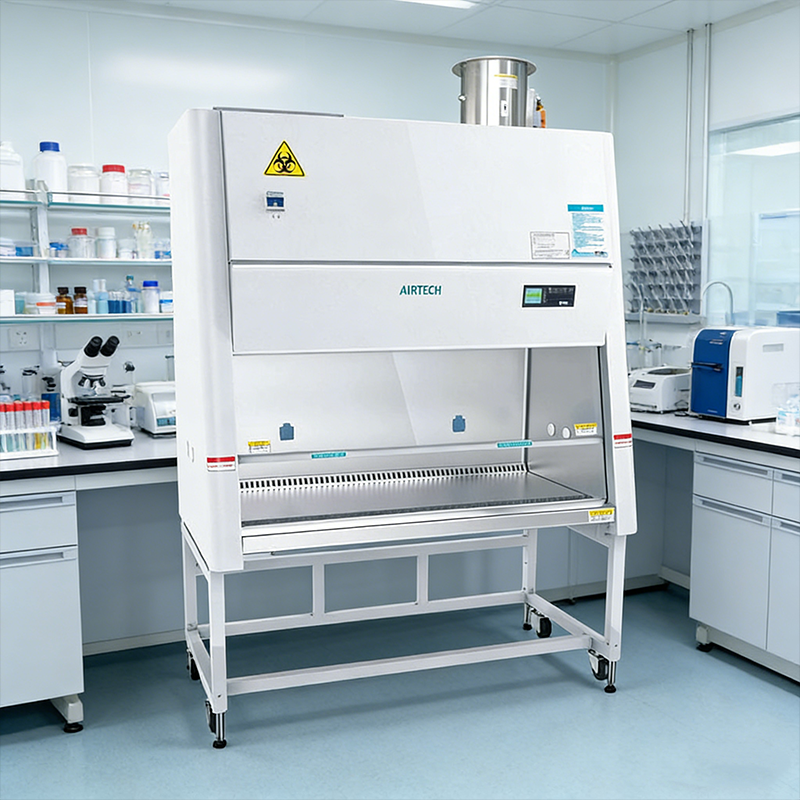
Choosing the correct size of a biological safety cabinet is essential for maintaining laboratory safety, optimizing workflow, and ensuring compliance with biosafety standards. Whether you are equipping a research lab, clinical facility, or pharmaceutical workspace, selecting the right biosafety cabinet size directly impacts efficiency and protection.
This guide will help you understand how to determine the ideal size of a biological safety cabinet based on your laboratory requirements, applications, and available space.
Why Size Matters for a Biological Safety Cabinet
A properly sized biological safety cabinet ensures:
- Adequate workspace for safe operation
- Proper airflow and containment performance
- Efficient use of laboratory space
- Reduced risk of contamination
Choosing a cabinet that is too small can restrict workflow, while an oversized biosafety cabinet may waste space and increase energy consumption.
Standard Biological Safety Cabinet Sizes
Most biosafety cabinets are available in standard widths, typically measured in feet:
- 2 ft (600 mm) – Compact spaces, light workloads
- 3 ft (900 mm) – Small laboratories or limited procedures
- 4 ft (1200 mm) – Most common size for general lab use
- 5 ft (1500 mm) – Larger experiments or multiple users
- 6 ft (1800 mm) – High-volume or complex workflows
Among these, the 4 ft biological safety cabinet is the most widely used because it offers a good balance between workspace and efficiency.
Key Factors to Consider When Choosing the Right Size
1. Type of Laboratory Work
The type of work you perform determines how much workspace you need inside the biosafety cabinet.
- Simple procedures (pipetting, sample prep) → smaller cabinets (2–3 ft)
- Cell culture or microbiology work → medium cabinets (4 ft)
- Complex experiments or multiple instruments → larger cabinets (5–6 ft)
Always ensure that equipment placed inside the biological safety cabinet does not block airflow.
2. Number of Users
If more than one technician needs to work simultaneously, a larger biosafety cabinet is recommended.
- Single user → 3–4 ft cabinet
- Two users → 5–6 ft cabinet
Providing enough working space helps maintain proper technique and reduces cross-contamination risks.
3. Equipment and Tools Inside the Cabinet
Consider the size and number of instruments that will be used inside the biological safety cabinet, such as:
- Micropipettes
- Centrifuges
- Incubators
- Waste containers
A larger biosafety cabinet ensures proper spacing between items, which is critical for maintaining laminar airflow.
4. Laboratory Space and Layout
Before selecting a biological safety cabinet size, evaluate your lab’s physical layout.
Important considerations include:
- Available floor space
- Ceiling height
- Clearance for maintenance and filter replacement
- Distance from doors, vents, and high-traffic areas
A properly positioned biosafety cabinet ensures stable airflow and optimal performance.
5. Biosafety Level (BSL Requirements)
The required biosafety level also influences cabinet size.
- BSL-1 / BSL-2 labs → typically use Class II cabinets (3–4 ft)
- BSL-3 labs → may require larger or specialized cabinets
- BSL-4 labs → use fully enclosed Class III systems
Higher-risk environments may require larger or custom biological safety cabinets.
6. Airflow and Performance Requirements
A biosafety cabinet must maintain proper airflow regardless of size.
Larger cabinets require:
- Higher airflow capacity
- Stronger fan systems
- Efficient HEPA filtration
Ensure your laboratory ventilation system can support the selected biological safety cabinet size.
7. Energy Consumption and Operating Costs
Bigger is not always better. Larger biosafety cabinets consume more energy due to increased airflow requirements.
To optimize efficiency:
- Choose the smallest size that meets your needs
- Consider energy-efficient models
- Use variable speed fans where possible
Balancing size and efficiency helps reduce long-term costs.
Common Mistakes When Choosing Cabinet Size
Avoid these common errors:
- Selecting a cabinet that is too small for equipment
- Overcrowding the work area inside the biosafety cabinet
- Ignoring laboratory layout constraints
- Choosing a large cabinet without considering energy use
Proper planning ensures safe and efficient operation.
Typical Use Cases by Size
| Cabinet Size | Recommended Application |
|---|---|


