Smart Spray Fume Hood: Full Guide to Features, Configurations, and Benefits
News Details
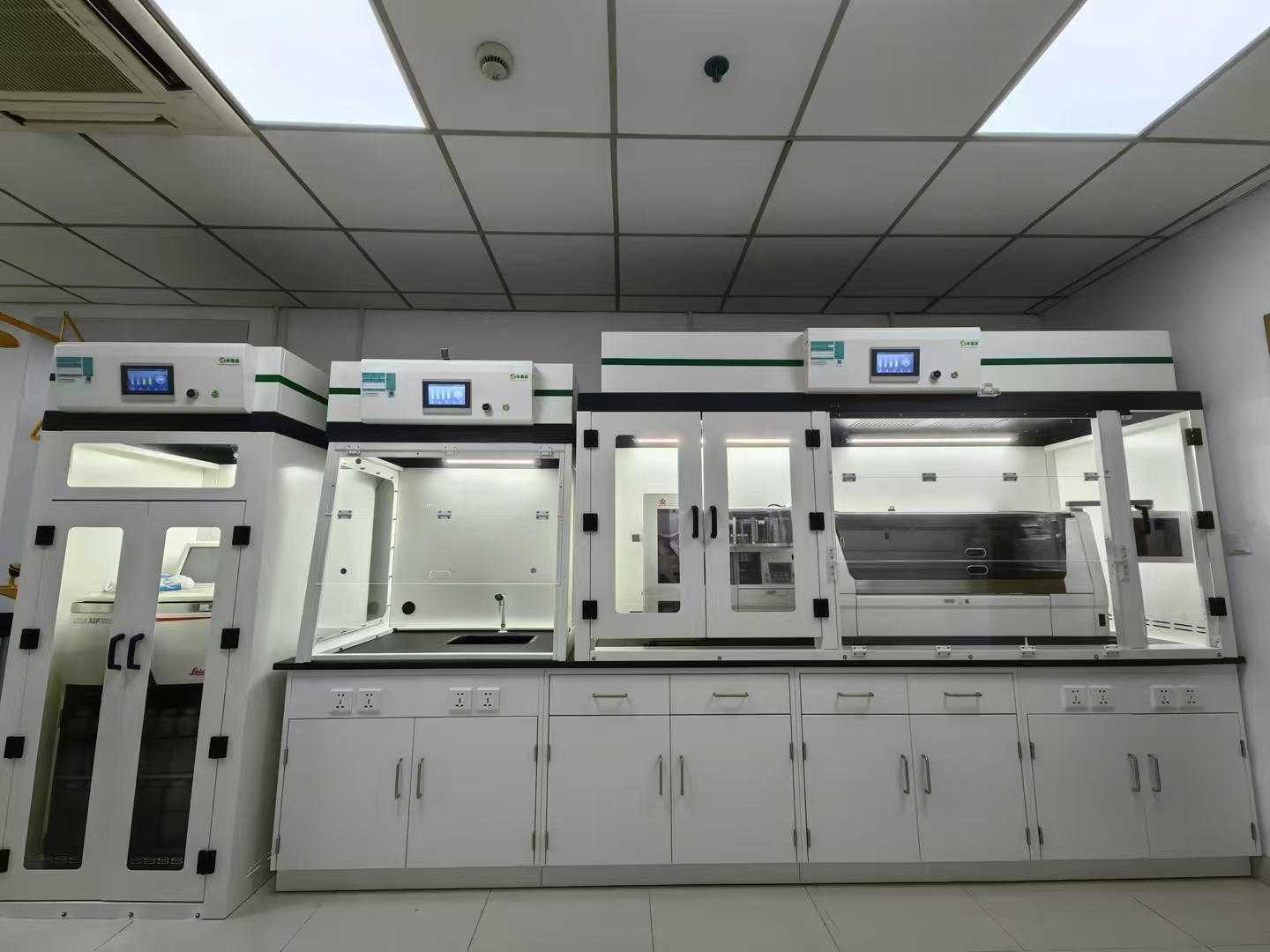
In today’s laboratories, choosing the right fume hood system is critical for safety, compliance, and efficiency. With increasing demand for automation and environmental protection, the spray fume hood has become a preferred solution for handling corrosive and toxic gases.
This article explains its core features and compares the top, medium, and basic configurations to help you make the right decision.
What Is a Spray Fume Hood?
A spray fume hood (wet scrubber fume hood) is a laboratory ventilation system that neutralizes harmful gases using a liquid spraying process.
How It Works:
- Contaminated air is captured inside the hood
- A circulating spray system releases neutralizing liquid
- Acidic or alkaline gases are chemically treated
- Clean air is safely discharged
This makes it ideal for chemical labs, pharmaceutical facilities, and industrial environments where hazardous gases are generated.
Core Features of Smart Spray Fume Hoods
Modern spray fume hoods are designed with intelligent automation and advanced control systems. Here are the four key features:
1. Automatic Alkali Dosing System
For acidic waste gases, the system:
- Monitors conditions in real time
- Automatically adds alkaline solution from a storage tank
- Maintains stable neutralization efficiency
This ensures consistent treatment without manual adjustment.
2. Automatic Acid Dosing for Safe Discharge
Before wastewater is released:
- The system automatically injects acid
- Neutralizes the solution to a safe pH level
- Ensures compliance with environmental standards
This eliminates the risk of improper discharge.
3. Powerful Drainage and Anti-Blockage System
A common issue in traditional systems is pipe blockage caused by salt crystallization.
The solution includes:
- One-click strong drainage function
- High-pressure flushing system
- Smooth and reliable wastewater discharge
This significantly reduces maintenance problems.
4. PLC Intelligent Control System
The system is equipped with a PLC touchscreen control panel, offering:
- Real-time monitoring
- Mobile remote control
- Scheduled start and stop
- Fully automated operation
Laboratories can achieve “unattended operation”, saving time and labor.
Internal Structure and Technical Details
The system design is both practical and easy to maintain. Inside the lower cabinet, you will find:
- Chemical storage tanks (acid and alkali)
- Pumps and circulation pipelines
- Integrated PLC control unit
This modular layout allows for:
- Easy inspection and maintenance
- Stable long-term operation
- Efficient system management
Top vs Medium vs Basic: Configuration Comparison
To meet different budgets and automation needs, spray fume hoods are typically available in three configurations:
1. Top Configuration (Fully Automatic System)
Includes:
- Automatic alkali dosing
- Automatic acid dosing
- One-click strong drainage
- Full PLC intelligent control
Advantages:
- Highest level of automation
- Minimal manual intervention
- Maximum safety and efficiency
Best for:
- Large laboratories
- Pharmaceutical and chemical industries
- Projects requiring strict compliance
2. Medium Configuration (Semi-Automatic System)
Includes:
- Automatic alkali dosing
- PLC control system
Does NOT include:
- Automatic acid dosing
Limitations:
- Manual intervention required during wastewater discharge
- Slightly more complex operation
Best for:
- Medium-sized labs
- Users balancing cost and functionality
3. Basic Configuration (Manual System)
Features:
- Basic ventilation and spray system
- Manual control for most operations
Limitations:
- No automation
-
Share to:


