Class II biological safety cabinets utilize a dual airflow system: a **downflow** of HEPA-filtered air from the top to create a sterile work zone, and an **inflow** of air from the front opening to contain aerosols. The exhaust air is either HEPA-filtered and recirculated (for Type A2 cabinets) or fully exhausted to the outside (for Type B cabinets), ensuring both product protection and operator safety.
News Details
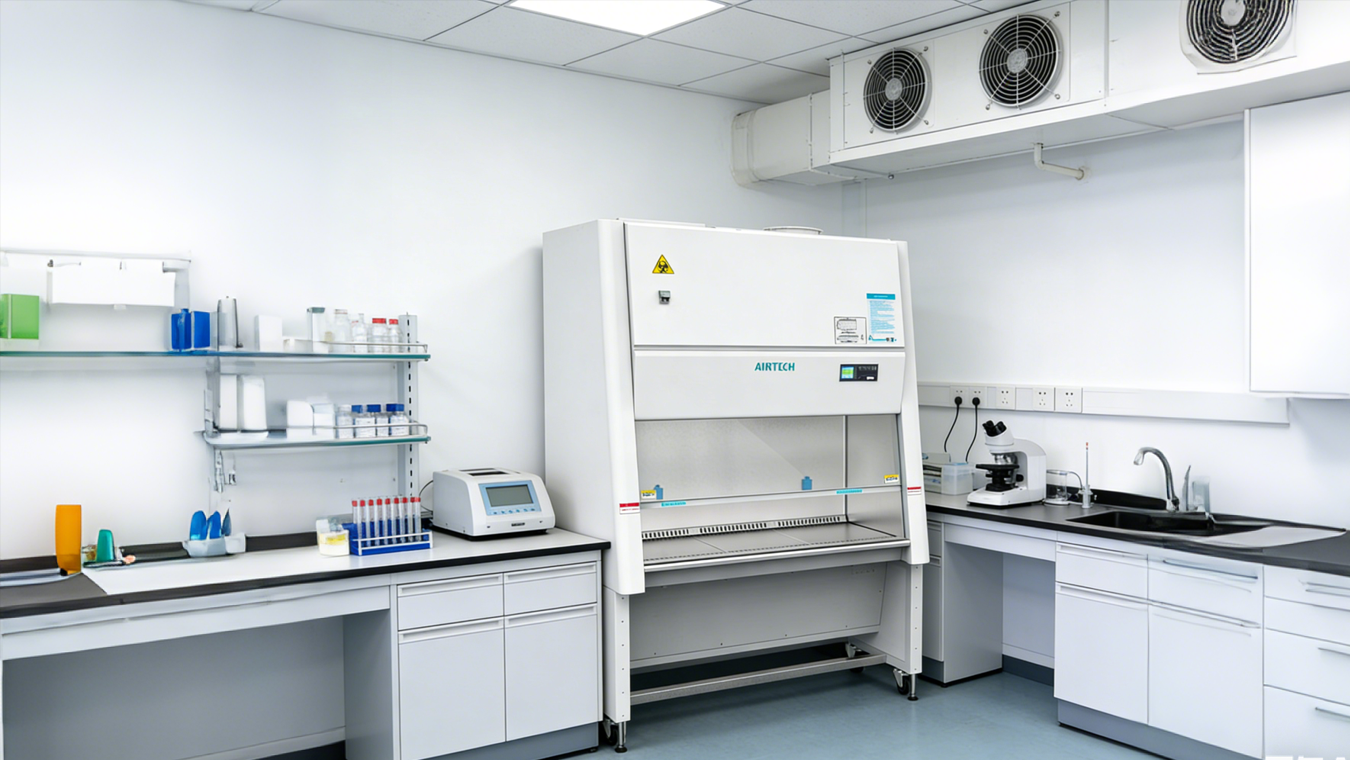
A Class II biological safety cabinet (also known as a biosafety cabinet or BSC cabinet) uses a carefully controlled airflow system to protect laboratory personnel, samples, and the environment. Understanding how this airflow works is essential when choosing the right cabinet for your lab.
In this guide, we will explain the airflow system in a Class II biological safety cabinet, how it works, and why it matters for laboratory safety. We will also share practical insights based on AMPLE’s laboratory solutions at www.cdample.com.
How the Airflow System Works in a Class II Biological Safety Cabinet
The airflow system in a Class II biological safety cabinet combines inflow air, downflow air, and HEPA filtration. Together, these create a safe and clean working environment.
First, air is drawn into the front opening of the biosafety cabinet. This inward airflow protects the operator by preventing contaminants from escaping.
Next, the air passes through HEPA filters, which remove 99.97% of airborne particles. Then, clean air flows downward in a smooth, laminar pattern across the work surface. This protects the samples inside the BSC cabinet.
Finally, the air is either recirculated inside the cabinet or exhausted, depending on the cabinet type.
Inflow Air System in a Class II Biosafety Cabinet
The inflow air system is the first line of protection.
Air enters through the front grille of the biological safety cabinet. This creates a barrier that stops hazardous particles from escaping into the lab.
Key benefits include:
- Protects laboratory personnel
- Maintains negative pressure inside the cabinet
- Prevents contamination leakage
Therefore, a stable inflow is critical for safe operation.
Downflow Air System in a Biological Safety Cabinet
After filtration, clean air flows downward from the top of the biosafety cabinet.
This is called laminar downflow airflow.
It provides:
- A sterile working area
- Protection for samples
- Even air distribution across the workspace
Because the airflow is uniform, it reduces turbulence and prevents cross-contamination inside the Class II biological safety cabinet.
HEPA Filtration System in a BSC Cabinet
HEPA filters are the core of any biological safety cabinet airflow system.
These filters:
- Remove ≥99.97% of particles ≥0.3 microns
- Ensure clean air circulation
- Maintain a sterile environment
In most Class II biosafety cabinets, there are at least two HEPA filters:
- Supply filter (for downflow air)
- Exhaust filter (for outgoing air)
This dual filtration system ensures both safety and cleanliness.
Air Recirculation vs Exhaust in Class II Cabinets
Different types of Class II biological safety cabinets use different airflow patterns.
Class II A2 Biosafety Cabinet Airflow
- About 70% of air is recirculated
- About 30% is exhausted through HEPA filters
This makes A2 cabinets energy-efficient and suitable for most labs.
Class II B2 Biosafety Cabinet Airflow
- 100% of air is exhausted
- No recirculation inside the cabinet
This design is ideal for handling hazardous chemicals and toxic substances.
Why Airflow Design Is Critical for Laboratory Safety
The airflow system is not just a feature—it is the core function of a biosafety cabinet.
A well-designed airflow system:
- Protects users from exposure
- Keeps samples contamination-free
- Prevents environmental release of biohazards
However, poor airflow can lead to serious safety risks. That is why choosing a high-quality Class II biological safety cabinet is essential.
AMPLE Biological Safety Cabinet Solutions
At www.cdample.com, AMPLE provides advanced biological safety cabinet solutions designed for modern laboratories.
AMPLE cabinets feature:
- Stable and uniform laminar airflow
- High-efficiency HEPA filtration systems
- Optimized airflow balance for safety and performance
- Energy-saving fan systems
In addition, AMPLE designs its biosafety cabinets to meet international standards, ensuring reliable protection for laboratories worldwide.
Common Airflow Mistakes to Avoid
Even with a high-quality BSC cabinet, improper use can affect airflow.
Avoid these mistakes:
- Blocking front or rear grilles
- Overloading the work area
- Placing large equipment incorrectly
- Opening the sash too high
By following proper practices, you can maintain optimal airflow performance.
Tips for Maintaining Proper Airflow Performance
To ensure your biological safety cabinet works correctly:
- Perform regular airflow testing
- Replace HEPA filters on schedule
- Keep the workspace clean and uncluttered
- Follow manufacturer guidelines
Routine maintenance helps extend the life of your biosafety cabinet and ensures consistent safety.
Conclusion
The airflow system in a Class II biological safety cabinet combines inflow air, laminar downflow, and HEPA filtration to create a safe and sterile environment. Whether using an A2 or B2 model, proper airflow design is essential for protecting personnel, samples, and the laboratory environment.
By understanding how airflow works and choosing a reliable supplier like AMPLE, laboratories can ensure high safety standards and efficient operation.


 or fully exhausted to the outside (for Type B cabinets), ensuring both product protection and operator safety.)


