How Do Biological Safety Cabinets Ensure Contamination Control?
News Details
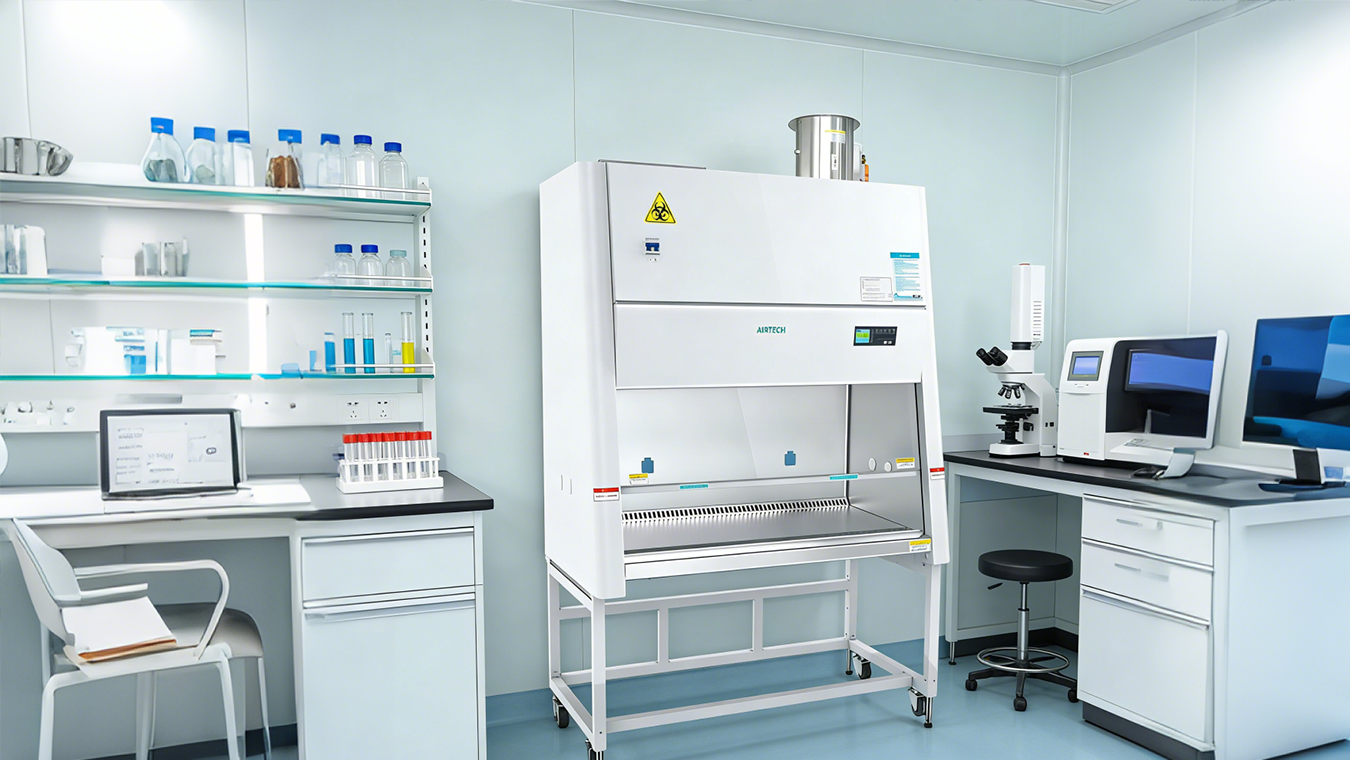
Biological safety cabinets (BSCs) play a crucial role in protecting laboratory workers, patients, and the environment from harmful biological agents. These cabinets are essential in preventing contamination during laboratory work with infectious materials. In this article, we will explore how biological safety cabinets ensure contamination control and why they are vital in maintaining a safe working environment.
Understanding Biological Safety Cabinets (BSCs)
Biological safety cabinets are specialized enclosures designed to protect both the user and the environment from potentially harmful biological agents. They are equipped with HEPA (High-Efficiency Particulate Air) filters, ventilation systems, and airflow mechanisms that help contain harmful pathogens. These cabinets come in various types, such as Class I, Class II, and Class III, depending on the level of protection required for the work being conducted.
A BSC is built to create a sterile environment while ensuring the safety of personnel handling hazardous biological materials. For a detailed overview of different BSC types and their applications, check out cdample.com.
How Do Biological Safety Cabinets Work?
Biological safety cabinets function by using a combination of airflow patterns and filters to prevent contamination. Here’s a breakdown of how they work:
- Airflow Patterns: BSCs are designed to control the airflow inside the cabinet. Air enters through the front grill, passes through a pre-filter, and then flows into the HEPA filter. The filtered air is directed either back into the lab (in the case of Class II) or out of the lab (in the case of Class I). This controlled airflow helps maintain a clean working environment.
- HEPA Filters: The key to contamination control in BSCs is the HEPA filter. This filter captures 99.97% of airborne particles, including bacteria, viruses, and fungi. By using these filters, biological safety cabinets ensure that any potentially harmful agents are trapped before they can escape into the environment.
- Containment and Exhaust Systems: Most BSCs have an exhaust system that directs contaminated air outside the building or into a decontamination system. This feature is especially important for labs working with highly infectious materials. The exhaust system ensures that harmful pathogens are not released into the air.
Types of Biological Safety Cabinets and Their Role in Contamination Control
There are three primary types of biological safety cabinets: Class I, Class II, and Class III. Each one offers different levels of protection, tailored to the type of biological material being handled. Let’s take a look at how each class ensures contamination control.
Class I Biological Safety Cabinets
Class I BSCs provide protection for the user, the environment, and the materials being worked with. They do so by using a laminar flow of air that moves from the front of the cabinet toward the back, where it is filtered and then either returned to the lab or vented outside. Class I cabinets are typically used when working with lower-risk biological materials.
Class II Biological Safety Cabinets
Class II BSCs are the most common type found in biological research labs. These cabinets offer both personnel and product protection. The air is drawn into the cabinet from the front and filtered before being recirculated. Class II BSCs are designed for work involving moderate-risk biological materials, such as bacteria and viruses.
Class III Biological Safety Cabinets
Class III BSCs provide the highest level of protection. These cabinets are designed for work involving high-risk biological materials, such as the Ebola virus. They are completely enclosed and feature a glove box system that allows users to handle hazardous materials without coming into direct contact. The air inside the cabinet is filtered and the exhaust system is rigorously maintained to ensure no contamination occurs.
Why Are Biological Safety Cabinets Critical for Contamination Control?
Biological safety cabinets are essential in preventing cross-contamination during laboratory procedures. Here’s why they are so critical:
- Worker Safety: BSCs protect laboratory workers from inhaling dangerous pathogens or coming into direct contact with infectious materials. They are an integral part of laboratory safety protocols.
- Environmental Protection: With strict containment measures, BSCs help prevent harmful biological agents from being released into the environment, which could cause widespread contamination or outbreaks.
- Ensuring Accurate Results: Contamination in laboratory settings can lead to unreliable results and affect research integrity. By maintaining a clean and sterile workspace, BSCs ensure that experiments are conducted under controlled conditions.
- Compliance with Safety Regulations: Most laboratories working with infectious agents must comply with safety regulations such as those outlined by the Centers for Disease Control and Prevention (CDC) or the World Health Organization (WHO). BSCs are vital in meeting these stringent safety standards.
Regular Maintenance to Ensure Optimal Performance
To maintain the effectiveness of a biological safety cabinet, it’s essential to regularly check and maintain the equipment. This includes changing filters, ensuring the airflow is functioning properly, and performing routine safety tests. Neglecting BSC maintenance can lead to compromised protection and potential contamination.
For reliable biological safety cabinet products and expert insights, visit cdample.com. We provide a range of high-quality BSCs to suit various laboratory needs, ensuring safe and effective contamination control for your facility.
Conclusion
Biological safety cabinets are fundamental in ensuring contamination control in laboratories working with hazardous biological materials. By using advanced filtration systems, controlled airflow, and specific safety protocols, BSCs protect laboratory personnel, the environment, and the integrity of scientific work. Regular maintenance and choosing the right type of BSC for the job are key to ensuring long-term effectiveness and safety.
For more information about biological safety cabinets and their applications, visit cdample.com and explore our range of products designed to support contamination control in laboratories worldwide.


