How Does a Polypropylene Fume Hood Resist Perchloric Acid Corrosion?
News Details
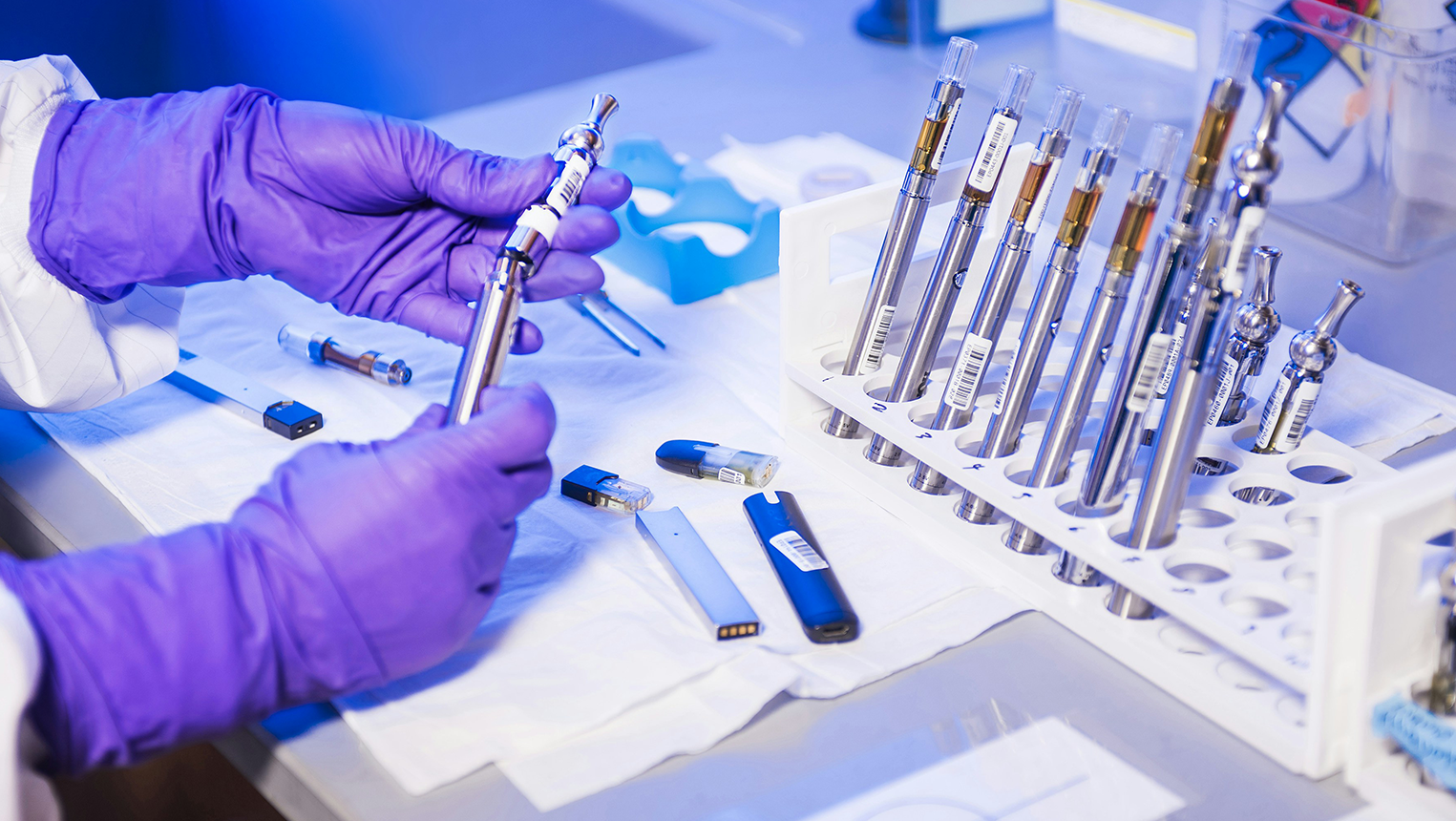
Perchloric acid is one of the most powerful and corrosive chemicals used in laboratories. It is widely used in chemical analysis, pharmaceutical research, materials testing, and industrial applications. However, because of its highly reactive nature, perchloric acid can quickly damage ordinary laboratory equipment.
As a result, laboratories that work with this chemical need equipment that offers exceptional corrosion resistance and long-term reliability. This is one reason why many facilities choose a polypropylene fume hood.
But how does a polypropylene fume hood resist perchloric acid corrosion? In this article, we will explore the material properties of polypropylene, the benefits of corrosion-resistant laboratory equipment, and how AMPLE provides reliable solutions for demanding laboratory environments.
Why Perchloric Acid Corrosion Is a Serious Laboratory Challenge
Perchloric acid is a strong oxidizing acid. When used improperly, it can corrode surfaces, damage equipment, and create safety risks.
Traditional metal equipment may suffer from:
- Surface corrosion
- Material degradation
- Structural weakening
- Increased maintenance costs
- Reduced equipment lifespan
Therefore, laboratories that regularly handle perchloric acid must choose materials that can withstand aggressive chemical exposure.
This is where polypropylene offers significant advantages.
How a Polypropylene Fume Hood Resists Chemical Corrosion
The key to corrosion resistance lies in the material itself.
Polypropylene is a thermoplastic polymer that offers excellent resistance to many acids, alkalis, and chemical vapors. Unlike metal materials, polypropylene does not rust or oxidize when exposed to many corrosive substances.
As a result, it remains stable even in challenging laboratory environments.
Polypropylene Has Strong Chemical Stability
One of the main reasons laboratories select polypropylene is its chemical stability.
The material is resistant to many laboratory chemicals, including:
- Perchloric acid
- Hydrochloric acid
- Sulfuric acid
- Nitric acid
- Sodium hydroxide
- Various chemical reagents
Because polypropylene does not react easily with these substances, it helps maintain the integrity of the equipment over time.
Polypropylene Does Not Corrode Like Metal
Metal fume hoods may require protective coatings to resist chemical attack. However, these coatings can wear down after prolonged exposure.
Polypropylene naturally resists corrosion throughout the entire structure.
This means laboratories can reduce maintenance requirements while improving equipment longevity.
Why a Polypropylene Fume Hood Is Ideal for Perchloric Acid Applications
Laboratories that work with strong acids need more than basic ventilation. They also need materials that remain reliable under harsh conditions.
Polypropylene Provides Long-Term Durability
Perchloric acid exposure can shorten the lifespan of ordinary laboratory equipment.
Polypropylene helps solve this problem by offering:
- High chemical resistance
- Moisture resistance
- Impact resistance
- Long service life
As a result, laboratories can reduce replacement costs and improve operational efficiency.
Polypropylene Helps Maintain Laboratory Safety
Safety is always a priority when handling corrosive chemicals.
A well-designed fume hood helps contain hazardous vapors and directs them away from laboratory personnel.
At the same time, corrosion-resistant materials help ensure the equipment remains structurally sound over many years of operation.
How Proper Ventilation Supports Perchloric Acid Safety
Material resistance is important, but ventilation is equally critical.
A laboratory ventilation system helps remove hazardous vapors before they accumulate inside the workspace.
Proper airflow provides several benefits:
- Improved worker protection
- Reduced chemical exposure
- Better air quality
- Safer laboratory conditions
Because of these advantages, laboratories should consider both material performance and ventilation efficiency when selecting equipment.
Key Features of a Corrosion-Resistant Fume Hood
When choosing laboratory equipment for perchloric acid applications, several features should be evaluated.
Durable Construction
The equipment should be built using materials that resist chemical attack and maintain structural integrity.
Smooth Interior Surfaces
Smooth surfaces help reduce residue buildup and simplify cleaning procedures.
Reliable Airflow Design
Consistent airflow helps improve containment and supports safer laboratory operations.
Low Maintenance Requirements
Corrosion-resistant materials help minimize repairs and reduce long-term operating costs.
These features contribute to safer and more efficient laboratory environments.
Applications That Benefit from Polypropylene Fume Hoods
Because of their chemical resistance, polypropylene fume hoods are widely used in various industries.
Chemical Research Laboratories
Researchers frequently work with strong acids and reactive substances.
Corrosion-resistant equipment helps maintain safety and reliability.
Pharmaceutical Laboratories
Drug development often involves chemical testing and analysis.
Durable laboratory equipment supports consistent research results.
Environmental Testing Facilities
Many environmental laboratories analyze samples that contain aggressive chemicals.
Proper containment and chemical resistance are essential for these applications.
Industrial Research Centers
Manufacturers often use laboratory testing to improve products and processes.
Long-lasting equipment helps support continuous operation.
Why Laboratories Choose AMPLE
AMPLE specializes in laboratory furniture and laboratory safety solutions for customers around the world.
Its product range includes:
- Polypropylene Fume Hoods
- Laboratory Workbenches
- Chemical Storage Cabinets
- Laboratory Ventilation Systems
- Laboratory Casework
- Customized Laboratory Solutions
The company focuses on safety, durability, and practical design.
AMPLE Polypropylene Fume Hoods for Corrosive Environments
AMPLE designs polypropylene fume hoods specifically for laboratories that handle corrosive chemicals.
The equipment offers:
- Excellent chemical resistance
- Durable construction
- Reliable airflow performance
- Long service life
- Easy maintenance
These features help laboratories improve safety while reducing long-term operating costs.
Customized Laboratory Solutions from AMPLE
Every laboratory has unique requirements.
Therefore, AMPLE provides customized solutions based on:
- Laboratory size
- Application type
- Ventilation requirements
- Safety objectives
- Workflow needs
This approach helps customers create efficient and compliant laboratory environments.
How Polypropylene Supports Long-Term Cost Savings
Many laboratories focus only on initial equipment costs. However, long-term performance is equally important.
Because polypropylene resists corrosion naturally, laboratories often benefit from:
- Fewer repairs
- Reduced maintenance expenses
- Longer equipment lifespan
- Lower replacement costs
Over time, these advantages can provide significant value for research facilities and industrial laboratories.
Conclusion: Why Polypropylene Fume Hoods Perform Well with Perchloric Acid
Perchloric acid presents serious challenges for laboratory equipment. Its corrosive nature can quickly damage unsuitable materials and increase maintenance requirements.
A polypropylene fume hood helps address these challenges through excellent chemical resistance, long-term durability, and reliable performance. Unlike many traditional materials, polypropylene resists corrosion and maintains its structural integrity even in demanding environments.
For laboratories seeking dependable protection against aggressive chemicals, AMPLE provides high-quality polypropylene fume hoods and customized laboratory solutions designed to support safety, efficiency, and long-term reliability.


