What Safety Standards Should a CE Certified Perchloric Acid Fume Hood Meet?
News Details
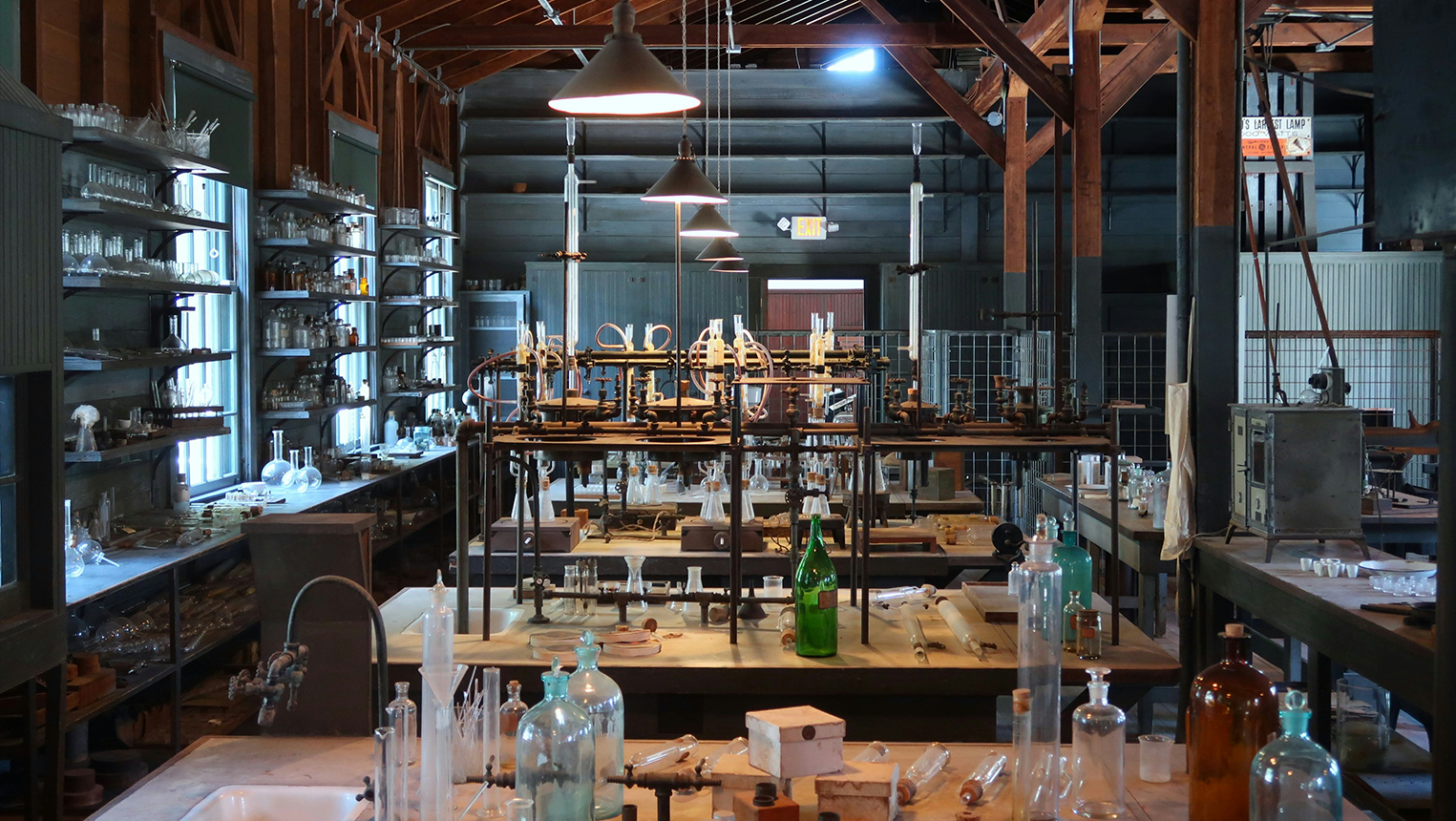
Perchloric acid is one of the most dangerous chemicals used in laboratories. When heated or mixed with certain substances, it can form explosive compounds. Therefore, laboratories must use a specially designed fume hood to handle perchloric acid safely.
A CE Certified Perchloric Acid Fume Hood is built to control hazardous fumes, protect laboratory personnel, and reduce fire and explosion risks. However, not all fume hoods are suitable for perchloric acid applications. They must meet strict safety standards and technical requirements.
In this article, we will discuss the key safety standards a CE Certified Perchloric Acid Fume Hood should meet and why choosing the right manufacturer is important.
Why Is a CE Certified Perchloric Acid Fume Hood Important?
Perchloric acid produces corrosive vapors during laboratory processes. In addition, these vapors can react with organic materials and create highly explosive perchlorate deposits.
Therefore, a standard laboratory fume hood is often not enough. A CE Certified Perchloric Acid Fume Hood is specially designed to:
- Remove dangerous fumes efficiently
- Prevent perchlorate accumulation
- Reduce corrosion damage
- Improve laboratory safety
- Meet international safety requirements
As a result, laboratories can work more safely and maintain regulatory compliance.
What CE Safety Standards Should a Perchloric Acid Fume Hood Meet?
The CE mark indicates that a product complies with European health, safety, and environmental requirements.
For a CE Certified Perchloric Acid Fume Hood, several standards are particularly important.
EN 14175 Standard for Laboratory Fume Hoods
EN 14175 is one of the most recognized European standards for laboratory fume hoods.
This standard evaluates:
- Containment performance
- Face velocity
- Airflow stability
- Safety testing procedures
- User protection levels
A fume hood that meets EN 14175 demonstrates reliable performance under laboratory operating conditions.
Machinery Safety Requirements
Laboratory equipment with moving components, electrical controls, or automatic systems must comply with applicable machinery safety regulations.
These requirements help ensure:
- Safe operation
- Emergency protection
- Electrical safety
- Mechanical reliability
As a result, laboratory personnel can operate the equipment with confidence.
Low Voltage and Electrical Safety Standards
Electrical systems inside the fume hood should meet European electrical safety requirements.
These standards focus on:
- Electrical insulation
- Protection against electric shock
- Safe wiring systems
- Reliable control panels
Consequently, laboratories can reduce electrical hazards during daily operation.
Electromagnetic Compatibility (EMC) Standards
Modern fume hoods often include monitoring systems, alarms, and digital controllers.
EMC compliance ensures that:
- Electronic systems work correctly
- Equipment does not interfere with other laboratory devices
- Monitoring systems remain accurate
This helps maintain stable and reliable operation.
What Special Design Features Should a Perchloric Acid Fume Hood Have?
Meeting safety standards is only part of the solution. A perchloric acid fume hood should also include specialized design features.
Wash-Down System for Perchloric Acid Fume Hoods
One of the most important features is an integrated wash-down system.
This system:
- Flushes internal duct surfaces
- Removes perchlorate deposits
- Reduces explosion risks
- Simplifies cleaning procedures
Without proper washing, dangerous residues can build up over time.
Corrosion-Resistant Construction
Perchloric acid is highly corrosive. Therefore, the hood must be made from materials that can withstand aggressive chemicals.
Common materials include:
- Polypropylene
- PVC
- Stainless steel with special treatment
High-quality materials improve durability and reduce maintenance costs.
Smooth Interior Surfaces
Smooth surfaces help prevent chemical buildup.
In addition, they make cleaning easier and improve long-term safety.
This is especially important for laboratories that use perchloric acid regularly.
Dedicated Exhaust System
Perchloric acid applications often require a dedicated exhaust system.
A dedicated system helps:
- Remove hazardous vapors efficiently
- Prevent contamination of shared ductwork
- Reduce safety risks
As a result, laboratory operations become safer and more reliable.
How Does a CE Certified Perchloric Acid Fume Hood Protect Laboratory Personnel?
Safety is the primary purpose of any laboratory fume hood.
A properly designed unit protects users by:
- Capturing harmful vapors at the source
- Maintaining stable airflow
- Preventing chemical exposure
- Reducing fire and explosion hazards
- Improving indoor air quality
Therefore, laboratory staff can work more safely and efficiently.
How to Choose a Reliable CE Certified Perchloric Acid Fume Hood Manufacturer?
Not all manufacturers have experience with high-risk laboratory ventilation systems.
When selecting a supplier, consider:
- CE certification compliance
- EN 14175 testing capabilities
- Custom design options
- Material quality
- Project experience
- International export capability
A trusted manufacturer can provide solutions that meet both safety requirements and laboratory workflow needs.
Why Choose AMPLE for CE Certified Perchloric Acid Fume Hoods?
AMPLE, available through www.cdample.com, specializes in laboratory safety equipment and customized laboratory solutions.
The company offers:
- CE Certified Perchloric Acid Fume Hoods
- Polypropylene fume hoods
- Chemical storage solutions
- Laboratory furniture systems
- Laboratory ventilation equipment
In addition, AMPLE supports research institutes, universities, pharmaceutical facilities, industrial laboratories, and government projects worldwide.
With a strong focus on safety, quality, and international standards, AMPLE helps laboratories create safer working environments for highly corrosive and hazardous chemical applications.
Conclusion
A CE Certified Perchloric Acid Fume Hood must meet strict safety standards to ensure laboratory protection. Standards such as EN 14175, electrical safety regulations, and EMC requirements help verify performance and reliability.
At the same time, specialized features like wash-down systems, corrosion-resistant materials, smooth interior surfaces, and dedicated exhaust systems are essential for safe perchloric acid handling.
By choosing a qualified manufacturer such as AMPLE, laboratories can achieve higher safety levels, regulatory compliance, and long-term operational reliability.


