Why Modern Labs Choose CE Certified Polypropylene Fume Hoods
News Details
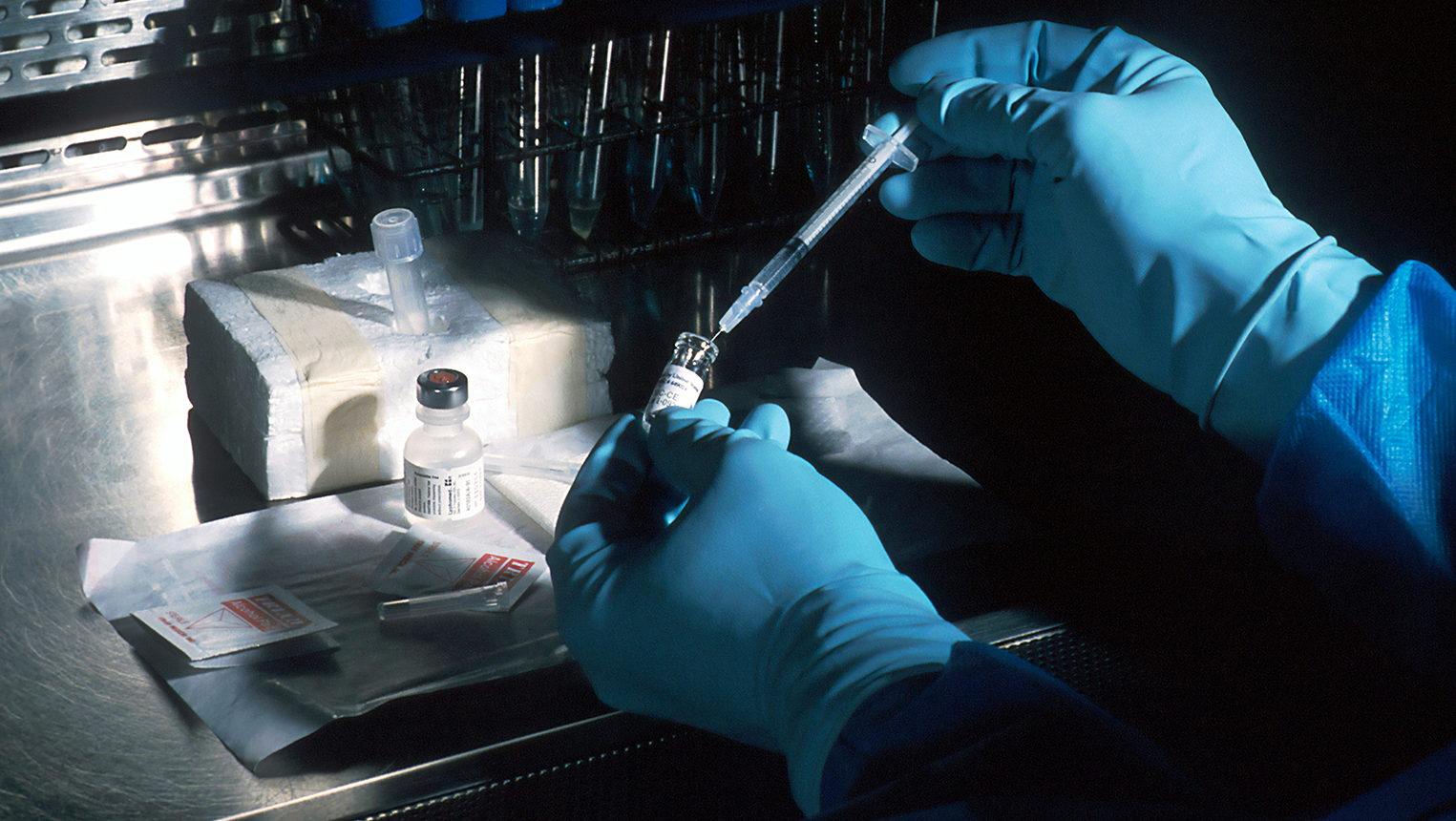
Laboratories handle chemicals every day. Some chemicals release harmful vapors that can affect both people and equipment. Because of this, safety remains a top priority in research facilities, testing centers, and educational institutions.
Today, many organizations are upgrading their laboratory environments. One popular choice is the CE certified polypropylene fume hoods. These systems help improve workplace safety, resist chemical damage, and support long-term performance. They also help laboratories meet strict safety requirements.
As laboratory standards continue to rise, more managers are choosing equipment that combines safety, durability, and value.
Why a Polypropylene Fume Hood Is a Popular Choice
Material selection plays a major role in laboratory safety. Different materials perform differently when exposed to chemicals, moisture, and daily use.
Polypropylene has become a preferred option because it offers excellent resistance to many corrosive substances. Unlike metal, it does not rust easily. It also performs well in environments where acids and chemical vapors are frequently used.
In addition, polypropylene is lightweight and durable. This combination helps laboratories reduce maintenance needs while extending equipment life.
For laboratories that work with demanding chemical processes, choosing the right material can make a significant difference.
How a Laboratory Fume Hood Improves Workplace Safety
Protecting laboratory personnel is one of the most important goals of any safety program.
A properly designed ventilation enclosure helps capture hazardous vapors before they spread into the workspace. As a result, researchers can work in a safer environment.
Good airflow also helps reduce the buildup of chemical fumes. This creates a cleaner workspace and supports daily operations.
Furthermore, modern systems are designed to improve visibility and accessibility. Researchers can perform experiments more comfortably while maintaining a higher level of protection.
Because of these benefits, many facilities consider effective ventilation an essential part of laboratory design.
Why Chemical Resistance Matters in Laboratory Equipment
Many laboratories use strong acids, alkalis, and other aggressive substances. Over time, these chemicals can damage ordinary materials.
A chemical resistant fume hood helps solve this problem by providing protection against chemical exposure. The material remains stable even when used in challenging environments.
This advantage is especially important in:
- Chemical laboratories
- Pharmaceutical facilities
- Environmental testing centers
- University research departments
- Industrial laboratories
Because the equipment lasts longer, laboratories can reduce repair costs and avoid frequent replacements.
How Laboratory Safety Equipment Supports Daily Operations
Safety products do more than protect workers. They also help laboratories operate more efficiently.
When researchers feel safe, they can focus more effectively on their work. At the same time, managers can reduce risks and improve compliance with workplace standards.
Reliable laboratory safety equipment also helps protect valuable instruments from exposure to harmful substances.
As a result, laboratories can improve productivity while maintaining a safer environment for employees and visitors.
Why a Laboratory Ventilation System Is Essential
Air quality is an important part of every laboratory.
A well-designed laboratory ventilation system helps control airflow and remove potentially dangerous contaminants. This improves comfort while supporting safe working conditions.
Proper ventilation can also help protect sensitive experiments from unwanted contamination.
For this reason, many laboratories view ventilation as a key investment rather than an optional feature.
As facilities continue to modernize, demand for advanced airflow solutions continues to grow.
Benefits of a Corrosion Resistant Fume Hood
Laboratory environments can be harsh. Equipment is often exposed to moisture, chemicals, and temperature changes.
A corrosion resistant fume hood offers several advantages:
- Longer service life
- Reduced maintenance costs
- Better appearance over time
- Reliable performance
- Lower replacement frequency
Because of these benefits, many laboratories choose corrosion-resistant materials when upgrading their facilities.
A longer-lasting solution can help organizations reduce operating expenses over the years.
Common Applications in Modern Laboratories
These safety systems are widely used across different industries.
Chemical Research Laboratories
Researchers often work with corrosive substances. Reliable containment helps maintain a safer workplace.
Pharmaceutical Facilities
Drug development requires controlled environments. Proper ventilation helps protect both personnel and products.
Educational Institutions
Schools and universities use safety equipment to support teaching and research activities.
Environmental Testing Centers
Many testing procedures involve hazardous samples. Effective containment helps improve both safety and accuracy.
Industrial Research Facilities
Manufacturers often conduct product testing and quality analysis. Durable equipment supports these demanding applications.
Why Laboratories Choose AMPLE
When investing in laboratory upgrades, organizations often look for experienced partners.
AMPLE provides a wide range of laboratory furniture and safety solutions for customers around the world.
Its product portfolio includes:
- Fume extraction systems
- Workbenches
- Storage cabinets
- Chemical storage solutions
- Laboratory workstations
- Ventilation products
The company focuses on product quality, durability, and practical design.
In addition, AMPLE offers customized solutions for different industries and project requirements.
How a Laboratory Equipment Supplier Adds Value
Choosing the right laboratory equipment supplier can simplify project planning and installation.
An experienced supplier can help customers:
- Select suitable products
- Improve laboratory layouts
- Meet safety requirements
- Optimize available space
- Support future expansion
This guidance helps laboratories make better decisions and avoid unnecessary costs.
Strong technical support also contributes to long-term project success.
Conclusion: AMPLE Laboratory Solutions for Safer Workspaces
Modern laboratories need equipment that delivers safety, durability, and reliable performance. For this reason, many organizations continue to invest in advanced ventilation and containment systems.
By providing excellent chemical resistance, long service life, and dependable protection, these solutions help create safer working environments across many industries.
With AMPLE laboratory solutions, customers can build efficient laboratories that support research, testing, education, and innovation while maintaining high safety standards.


