How Does a Ductless Fume Hood Work?
News Details
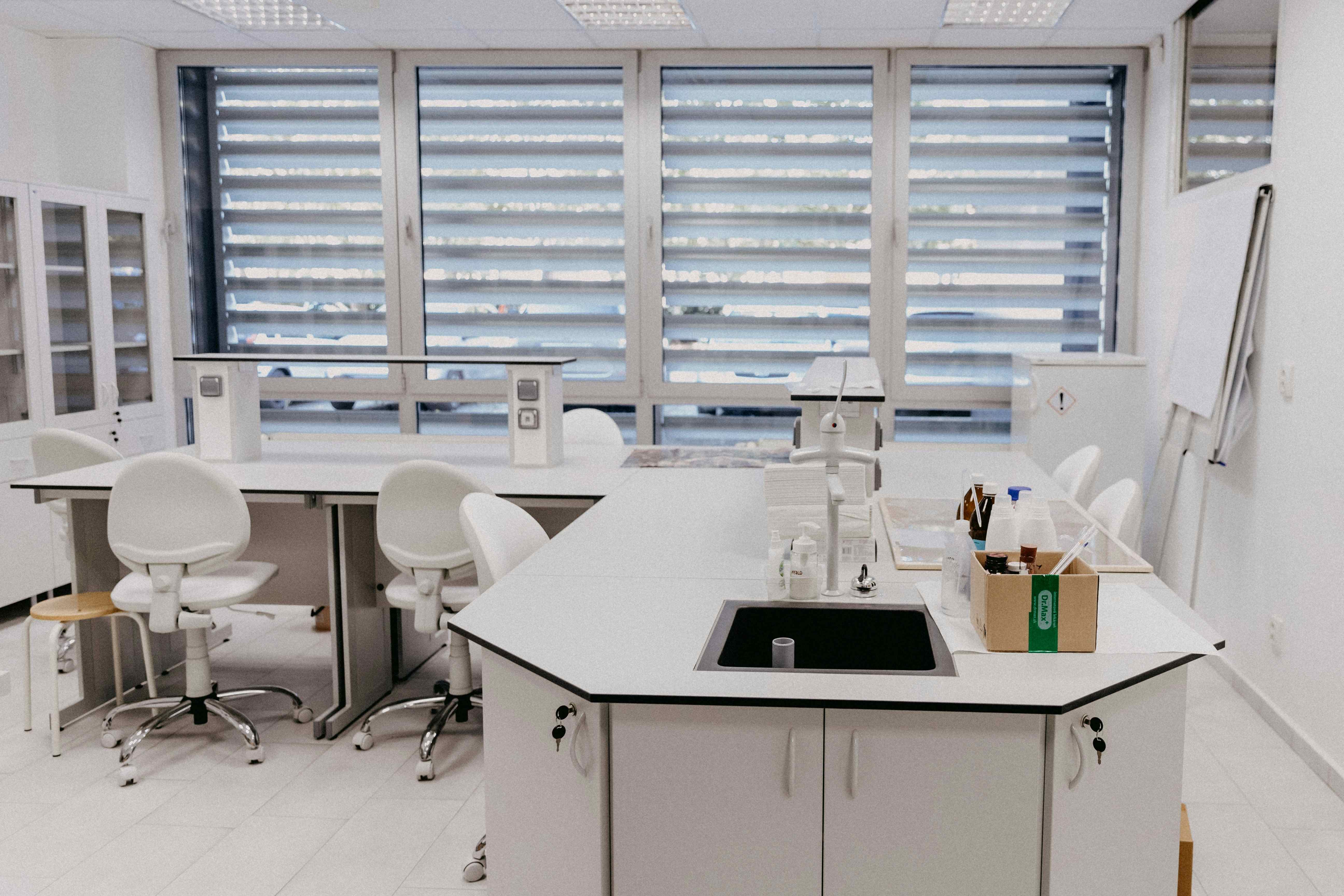
A ductless fume hood is a laboratory ventilation system that captures harmful fumes, vapors, dust, and other airborne contaminants and passes them through filters before releasing the cleaned air back into the room. Unlike a traditional ducted fume hood, it does not need a fixed exhaust duct connected to the outside.
So, how does a ductless fume hood work? In simple terms, it uses controlled airflow, filters, and a fan to capture and clean contaminated air. As a result, it can provide flexible protection for many laboratory tasks without the need for complex ductwork.
However, the right filter type is important. Different chemicals and particles need different filtration methods. Therefore, users should select a ductless fume hood based on the chemicals, processes, and risks involved.
What Is a Ductless Fume Hood?
A ductless fume hood is a self-contained laboratory enclosure designed to control chemical fumes and other airborne contaminants. It usually includes a work chamber, sash, fan, filter system, airflow controls, and lighting.
First, the hood draws air from the front opening. Next, the contaminated air passes through the filter system. Finally, the filtered air returns to the laboratory.
Because there is no external exhaust duct, the unit can be easier to install and move than a traditional ducted fume hood. This makes ductless models useful for laboratories where fixed ventilation is difficult or where flexible placement is needed.
AMPLE offers ductless fume hood solutions designed as portable, self-contained ventilation systems. Its product range includes a CE-certified ductless fume hood designed to capture, filter, and neutralize harmful fumes, vapors, dust, and airborne contaminants.
How Does a Ductless Fume Hood Work?
The working process of a ductless fume hood can be explained in several simple steps.
1. Air Enters the Ductless Fume Hood
When the fan is running, air is pulled into the front of the hood. The sash helps control the size of the opening.
At the same time, the airflow creates a controlled working area. This helps keep fumes inside the hood instead of allowing them to spread freely through the laboratory.
2. The Fan Pulls Contaminated Air Through the Filters
After entering the hood, the contaminated air moves toward the filter system.
The fan provides the airflow needed to move the air through the filters. Stable airflow is important because poor airflow can reduce the hood's ability to capture contaminants.
Therefore, the fan, filter, sash, and internal airflow design must work together.
3. Filters Capture Fumes and Particles
The most important part of a ductless fume hood is its filter system.
Depending on the application, ductless fume hoods can use different types of filters. Activated carbon filters are commonly used for certain chemical vapors and odors. HEPA filters, on the other hand, are designed to capture fine airborne particles.
However, one filter cannot remove every type of chemical hazard. For this reason, filter selection should always match the substances used in the laboratory.
AMPLE's ductless fume hood uses high-efficiency activated carbon or HEPA filtration depending on the application. Its product description also highlights negative pressure, an adjustable sash, and quiet operation.
4. Cleaned Air Returns to the Room
Once the air passes through the filter system, the treated air is released back into the laboratory.
This is the main difference between ductless and ducted fume hoods. A ducted system sends contaminated air outside through an exhaust system. A ductless system instead filters the air within the unit before returning it to the room.
As a result, ductless systems can reduce the need for external duct installation.
What Are the Main Parts of a Ductless Fume Hood?
Understanding the main parts makes the working principle easier to understand.
Filter System
The filter system removes targeted contaminants from the air. Depending on the application, it may include activated carbon, HEPA, or other filter media.
The correct filter is critical. Before choosing a hood, users should identify the chemicals and contaminants involved.
Exhaust Fan
The fan creates the airflow that moves contaminated air through the hood and filters. A stable fan system helps maintain consistent airflow during operation.
Adjustable Sash
The sash is the movable front window of the hood. It helps provide a physical barrier between the operator and the work area while also controlling the air opening.
Keeping the sash at the recommended working position can help maintain proper airflow.
Work Surface
The work surface provides the area where laboratory procedures are performed. It should be suitable for the chemicals and processes used in the application.
Airflow Control System
Airflow controls help maintain the required operating conditions. They can also help users monitor or adjust the hood during laboratory work.
How Is a Ductless Fume Hood Different From a Ducted Fume Hood?
The main difference is how contaminated air is handled.
A ducted fume hood captures fumes and sends them through an exhaust duct to a suitable discharge point. In contrast, a ductless fume hood uses filters to treat the air inside the unit and then returns the filtered air to the room.
Therefore, the two systems have different installation requirements.
A ductless fume hood can be useful when:
- External ductwork is difficult to install
- Laboratory space needs more flexibility
- The hood may need to be relocated
- The application is suitable for filtration
- A self-contained ventilation solution is preferred
A ducted fume hood may be more suitable when the laboratory handles substances that cannot be safely removed by the available filters or when continuous external exhaust is required.
For this reason, choosing between ducted and ductless systems should start with a review of the chemicals, processes, airflow needs, and laboratory layout.
What Are the Benefits of a Ductless Fume Hood?
Ductless fume hoods offer several practical benefits for suitable laboratory applications.
Flexible Installation
Because ductless systems do not require a fixed exhaust duct, they can provide more flexibility during laboratory planning.
This can be especially useful in existing buildings where installing new ductwork would require major changes.
Easier Relocation
Many ductless fume hoods are designed as self-contained units. Therefore, they can be easier to move when laboratory layouts change.
This flexibility can help universities, research centers, testing rooms, and other facilities adapt their workspaces.
Reduced Ductwork Requirements
A ducted hood requires an exhaust path, ductwork, and suitable building ventilation infrastructure. A ductless model does not require the same external duct connection.
As a result, installation can be simpler in some projects.
Compact Laboratory Solution
Ductless systems can be a practical option for smaller laboratories and areas where space is limited. They can also support applications that do not require a permanent exhaust connection.
However, compact size should not replace proper hazard assessment. The hood still needs to match the work being performed.
What Can a Ductless Fume Hood Be Used For?
Ductless fume hoods are commonly considered for laboratory work involving suitable chemical fumes, vapors, odors, dust, and airborne contaminants.
Potential applications include:
- Routine laboratory experiments
- Sample preparation
- Small-scale testing
- Research work
- Educational laboratories
- Certain industrial testing areas
- Laboratory processes where suitable filtration is available
AMPLE describes its ductless fume hood as suitable for laboratories, small workshops, and research areas. The company also provides customized laboratory safety equipment for universities, research institutes, hospitals, pharmaceutical facilities, and industrial projects.
Still, not every chemical process is suitable for a ductless system. Users should check the filter compatibility and application limits before operation.
How Do You Choose the Right Ductless Fume Hood?
Choosing a ductless fume hood requires more than checking the size or appearance of the unit.
First, identify the chemicals used in the process. Then, determine the type of fumes, vapors, or particles that may be released.
Next, check whether the available filter technology can effectively handle those contaminants. Also, consider the required work area, sash design, airflow, noise level, laboratory space, and maintenance needs.
It is also important to consider applicable safety standards and project requirements.
AMPLE states that its laboratory safety products are developed for international markets and designed around standards including CE, EN, ISO, NFPA, and ASHRAE.
Why Is Filter Selection Important for a Ductless Fume Hood?
Filter selection directly affects the performance of a ductless fume hood.
For example, activated carbon and HEPA filters do not perform the same job. Activated carbon is used for certain gases, vapors, and odors, while HEPA filtration is mainly designed to capture airborne particles.
Therefore, laboratories should not select a ductless fume hood simply because it has a filter. They should first identify the contaminants and then choose an appropriate filtration system.
Filter replacement is also important. Over time, filter performance can decrease as the filter becomes loaded. Regular inspection and replacement according to the manufacturer's instructions help maintain the system.
How Does AMPLE Support Laboratory Fume Hood Projects?
AMPLE Solutions is a manufacturer and integrated solution provider of laboratory safety and workplace equipment. Its product range includes fume hoods, flammable storage cabinets, gas cylinder cabinets, laminar flow cabinets, acoustic pods, and ergonomic solutions.
For fume hood applications, AMPLE offers several solutions, including ductless fume hoods, polypropylene fume hoods, steel fume hoods, and universal fume exhaust hoods. Its ductless model is designed as a self-contained system with filtration, negative pressure, an adjustable sash, and quiet operation.
AMPLE also provides customized laboratory solutions for different project needs. Its products are intended for applications across universities, research institutes, hospitals, pharmaceutical facilities, and industrial projects.
This wider product range allows laboratory planners and project buyers to consider fume extraction together with other laboratory safety equipment.
What Maintenance Does a Ductless Fume Hood Need?
Regular maintenance is essential for reliable operation.
First, inspect the filter condition according to the manufacturer's recommended schedule. Next, check airflow and make sure the fan operates normally.
The sash, work surface, lighting, controls, and internal surfaces should also be inspected and cleaned as needed.
In addition, users should keep records of filter changes and maintenance work. This makes it easier to identify performance changes and plan replacement parts.
Most importantly, the hood should not be used for a chemical process if the installed filter is not suitable for that process.
Is a Ductless Fume Hood Right for Your Laboratory?
A ductless fume hood can be a flexible option when the laboratory needs localized fume control without a permanent exhaust duct.
Its basic working process is simple: capture the contaminated air, move it through suitable filters, and return the treated air to the room.
However, the system is only appropriate when the filter technology matches the contaminants involved. Therefore, chemical compatibility, airflow, maintenance, laboratory layout, and safety requirements should all be reviewed before purchase.
For laboratories looking for customized fume hood and laboratory safety solutions,AMPLEprovides ductless and ducted fume hood options along with other laboratory equipment. Its product portfolio and project support can help laboratories develop a solution suited to their specific working environment.
Learn more about AMPLE laboratory safety solutions atwww.cdample.com.


