Ductless Fume Hood Manufacturers for Laboratory Safety Solutions
News Details
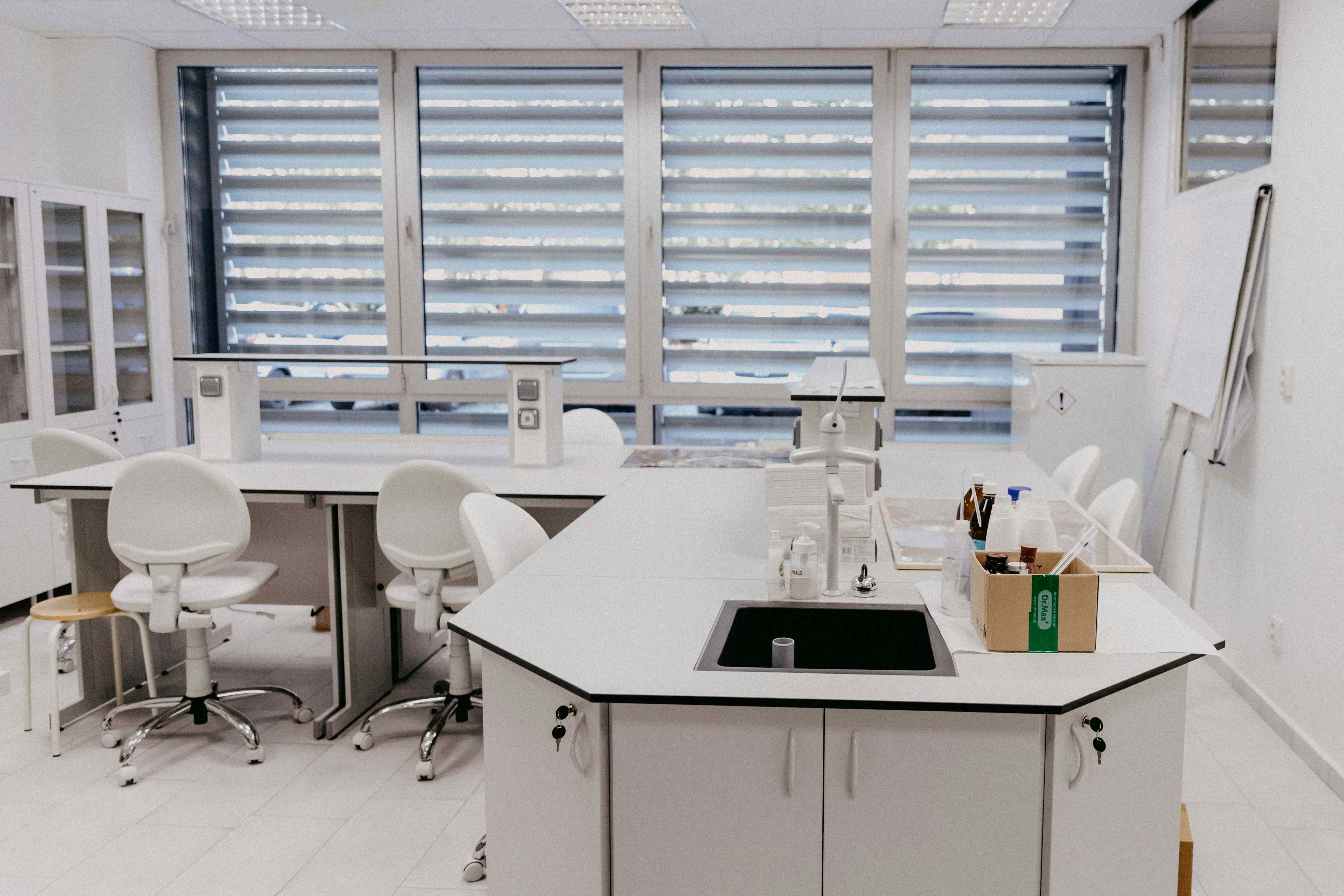
Laboratory safety is important in all research, testing, and industrial work areas. During daily work, laboratory staff may handle chemicals, solvents, powders, and other substances that emit harmful fumes. Therefore, choosing the right fume hood is essential to protecting workers and maintaining a safe work environment.
A ductless fume hood is a practical choice for many laboratories. Unlike traditional ducted systems, it uses filters to capture and remove harmful substances from the air before returning clean air to the room. As a result, it can reduce the need for complex ductwork and offer more flexible installation.
However, choosing the right equipment is only part of the process. A reliable ductless fume hood supplier should also understand laboratory needs, provide suitable product options, and offer support during equipment selection.
This article explains how to choose a ductless fume hood supplier and how AMPLE supports laboratory safety solutions with its fume hood products.
What is a Ductless Fume Hoodand how does it work?
A ductless fume hood is a laboratory safety device designed to capture chemical fumes and other air pollutants. It uses an integrated fan to draw air into the work area. The air then passes through special filters before being returned to the laboratory.
The type of filter depends on the chemicals and substances used in the work area. For example, activated carbon filters are commonly used to capture many organic vapors. Other filter types may be required for different chemical applications.
A typical ductless fume hood includes several key components:
-
Work chamber: Provides a closed area for laboratory work.
-
Front sash: Helps protect users from direct contact with substances inside the hood.
-
Fan system: Draws air through the filter system.
-
Filter unit: Captures appropriate fumes and air contaminants.
-
Control panel: Allows users to operate and monitor the equipment.
Together, these components help create a safer working environment. However, a ductless fume hood must be compatible with the chemicals being used. It is not suitable for every substance or laboratory process.
Why choose a ductless fume hood for laboratory safety?
Ductless fume hoods offer several advantages for laboratories. They are particularly useful when a building lacks suitable exhaust ductwork or when more flexible installation is required.
Flexible installation for different laboratories
Traditional ducted fume hoods require an exhaust duct system. In contrast, ductless models use built-in filtration, so they do not need to be connected to external exhaust ducts in the same way.
Therefore, they may be easier to install in laboratories with limited space or building restrictions. They can also be moved when the laboratory layout changes, provided the new location meets safety and installation requirements.
Lower installation requirements
A ductless fume hood does not require the same long duct network as a traditional ducted model. This can reduce construction work and simplify installation.
In addition, some systems can help reduce energy consumption because they do not continuously remove large volumes of conditioned room air. Actual energy savings depend on equipment design and laboratory conditions.
Better use of laboratory space
Laboratory space is often limited. Ductless fume hoods can provide a useful solution because they do not require large external exhaust connections.
As a result, laboratories can plan their work areas more flexibly. This is beneficial for research facilities, schools, testing centers, and other facilities.
A cleaner and safer work environment
The built-in filter system captures appropriate chemical vapors and contaminants before the air returns to the room. This helps reduce exposure risks during approved laboratory tasks.
However, users must select the correct filters and replace them at the appropriate time. Regular monitoring is also important to maintain safe operation.
What should you look for in a professional ductless fume hood supplier?
Finding a professional ductless fume hood supplier is important for long-term laboratory safety. Different laboratories have different chemical processes, space constraints, and equipment requirements. Therefore, buyers should compare suppliers carefully.
Product quality and material selection
First, check the materials used to build the fume hood. The body, work surface, sash, and internal parts should be suitable for the intended laboratory environment.
For example, polypropylene (PP) offers good resistance to many acids and alkalis. Steel structures may be suitable for other laboratory applications. The right material depends on the chemicals and working conditions.
Filter system and safety features
The filter system is one of the most important components of a ductless fume hood. A professional supplier should explain the available filter types and their appropriate applications.
Before purchasing, check the following features:
-
Suitable activated carbon or HEPA filter options
-
Stable airflow and negative pressure
-
Clear airflow monitoring
-
Filter condition alarms
-
Adjustable sash design
-
Reliable fan performance
-
Easy filter replacement and maintenance
Most importantly, ask the supplier to confirm chemical compatibility based on your list of chemicals and safety data sheets (SDS).
Customization and project support
Standard products may not meet every laboratory's needs. Some projects require special dimensions, different work surfaces, or specific electrical and ventilation features.
Therefore, a good supplier should understand your project before recommending equipment. Custom design and technical support can help reduce installation problems and improve daily work efficiency.
Certifications and quality management
Laboratory equipment should meet the safety and quality requirements of its target market. Buyers should check product test reports, certificates, and relevant technical documents.
Depending on the product and project, standards such as CE, EN, ISO, NFPA, and ASHRAE may be relevant. However, buyers should verify the exact certification and scope of compliance rather than relying solely on general supplier claims.
Ductless vs. ducted fume hood: Which is better for your lab?
Both ductless and ducted fume hoods help control hazardous fumes. However, their operating methods and installation requirements are different.
|
Comparison |
Ductless fume hood |
Ducted fume hood |
|---|---|---|
|
Air treatment |
Uses filters to clean the air |
Exhausts air outdoors |
|
Installation |
No fixed exhaust duct required |
Requires exhaust ductwork |
|
Space requirements |
More flexible placement |
Depends on building layout |
|
Maintenance |
Regular filter checks and replacement |
Exhaust and airflow system checks |
|
Best use |
Approved applications with compatible filters |
Applications requiring external exhaust |
A ductless fume hood can be a good option when installation flexibility is important. On the other hand, a ducted fume hood may be more suitable for processes involving chemicals that cannot be safely handled by recirculating filtration.
Therefore, the best choice depends on chemical use, exposure risks, building conditions, and local safety requirements.
How AMPLE provides laboratory safety solutions
AMPLE Solutions is a manufacturer and integrated solution provider of laboratory safety equipment. The company provides products and customized solutions for universities, research institutes, hospitals, pharmaceutical facilities, and industrial projects.
Its product range covers a variety of laboratory safety needs, including:
-
Ductless fume hoods: Self-contained filtration solutions for suitable laboratory applications.
-
Steel fume hoods: Durable equipment for general laboratory fume extraction.
-
Polypropylene fume hoods: Chemical-resistant solutions for applications involving corrosive fumes and gases.
-
Universal fume extraction hoods: Ventilation equipment for general extraction of fumes, dust, and odors.
-
Flammable storage cabinets: Designed for safe storage of flammable liquids, solvents, and other materials.
-
Gas cylinder cabinets: Storage solutions for laboratory gas cylinders.
-
Laminar flow cabinets: Equipment for applications requiring a controlled clean-air work area.
AMPLE also provides customized laboratory equipment based on project requirements. Buyers can discuss laboratory layout, equipment size, material selection, and application requirements with the company before placing an order.
In addition, AMPLE highlights international compliance requirements, including CE, EN, ISO, NFPA, and ASHRAE standards. Its manufacturing and quality management capabilities support projects that require consistent product quality and technical coordination.
For laboratories planning a new facility or upgrading existing equipment, AMPLE offers a range of products that can help create a more comprehensive laboratory safety environment.
Visit the official website to learn more: AMPLE Laboratory Safety Equipment.
How to maintain a ductless fume hood for long-term safety
Buying a high-quality ductless fume hood is only the first step. Regular inspection and maintenance are also important for safe operation.
Here are some basic maintenance tips:
-
Check the airflow regularly. Make sure the fan and airflow system work as required.
-
Inspect the filters. Check the filter condition according to the manufacturer's instructions.
-
Replace filters on time. Do not continue using filters beyond their approved service life.
-
Keep the work area clean. Remove chemical residues after each task.
-
Check alarms and controls. Make sure warning systems and control panels work properly.
-
Review chemical use. If the laboratory starts using new chemicals, check whether the existing filter system is still suitable.
In addition, keep maintenance records for future inspections. A clear maintenance plan helps laboratory staff identify problems early and manage equipment more effectively.
How to choose the right ductless fume hood for your laboratory project
Before contacting a ductless fume hood supplier, it is helpful to prepare some basic project information.
Consider the following questions:
-
What chemicals will be used inside the hood?
-
What are the expected chemical concentrations and quantities?
-
What type of filter system is required?
-
How much work space is available?
-
What hood size and sash design do you need?
-
Are there any special material or electrical requirements?
-
What maintenance and technical support will be needed?
With this information, suppliers can better understand your application and recommend suitable products.
For large laboratory projects, you should also consider future expansion, equipment compatibility, delivery schedules, and after-sales support.
Conclusion: Find a reliable ductless fume hood supplier for laboratory safety
A ductless fume hood is a flexible solution for laboratories that require effective fume extraction without a fixed external exhaust duct. It can simplify installation and support different laboratory layouts. However, the filter system, chemical compatibility, airflow performance, and maintenance plan must all meet the requirements of the application.
Therefore, choosing the right ductless fume hood supplier is an important part of laboratory planning. Buyers should look beyond the purchase price and consider product quality, customization, technical support, and long-term maintenance.
AMPLE Solutions offers a range of laboratory fume hoods and safety equipment, including ductless, steel, polypropylene, and universal fume extraction models. With customized laboratory solutions and a broad product range, AMPLE can support buyers planning laboratory safety equipment projects.
If you are looking for a ductless fume hood supplier for your laboratory project, visit www.cdample.com to explore AMPLE products and discuss your equipment requirements.


