Ductless Fume Hood for Chemical Storage and Handling: A Safety Guide
News Details
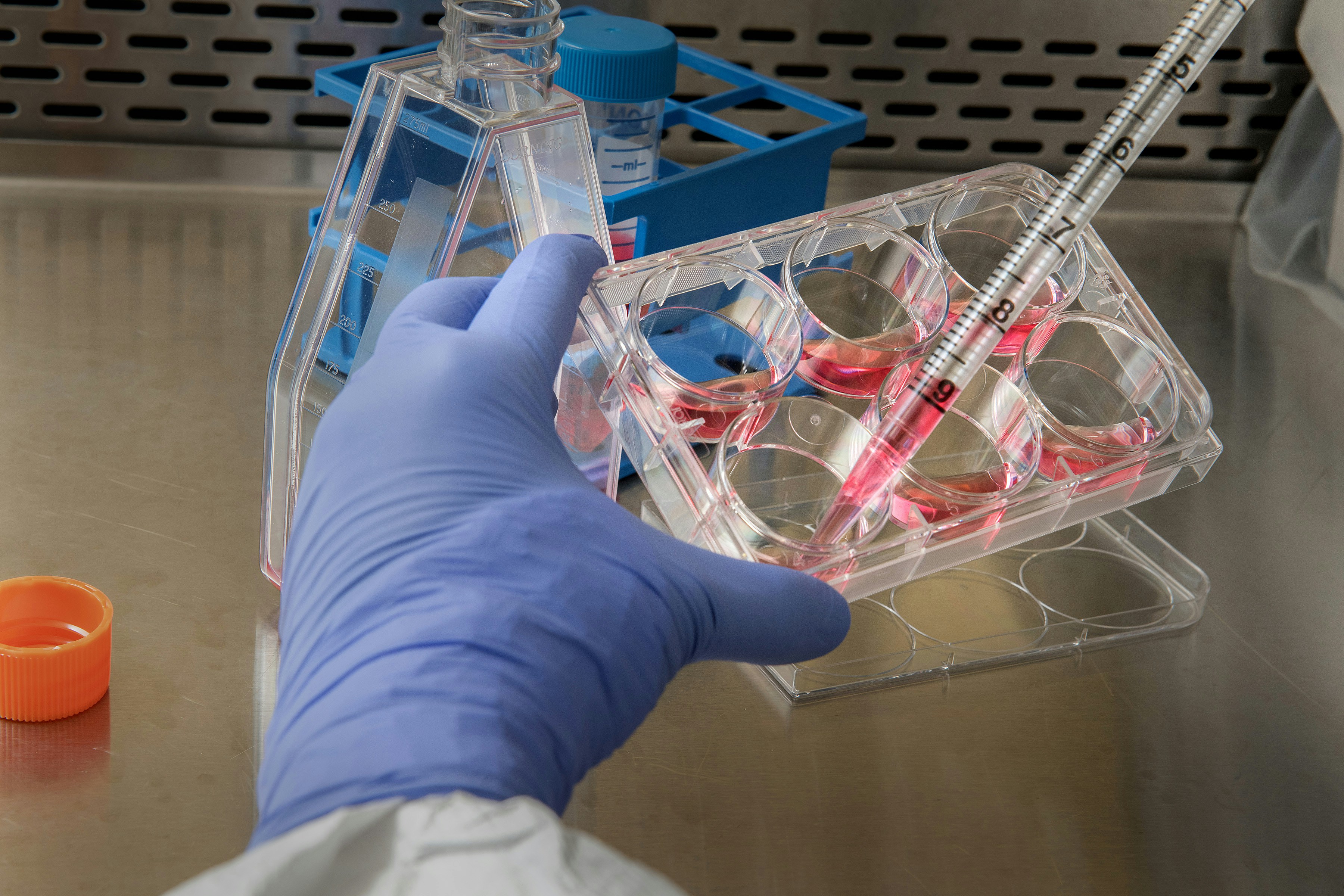
Chemical storage and handling are critical aspects of lab safety. Many chemicals release harmful fumes, vapors, or odors during routine use. Without proper safeguards, these substances can jeopardize the health of lab personnel and compromise indoor air quality.
A ductless fume hood provides a versatile solution for managing specific chemical fumes during lab procedures. Equipped with an integrated filtration system, it captures and filters contaminants before recirculating clean air back into the room. This enables labs to conduct targeted chemical handling tasks without the need for a permanent exhaust duct.
It is important to note, however, that a ductless fume hood should not be used as a substitute for a chemical storage cabinet. Labs must understand the distinction between chemical storage and active chemical handling when selecting equipment.
In this guide, we will examine how ductless fume hoods contribute to chemical safety, key features to consider, and how AMPLE delivers lab safety solutions.
What Is a Ductless Fume Hood for Chemical Handling?
A ductless fume hood is a self-contained lab workstation with a built-in air filtration system. It captures fumes and vapors generated during chemical handling and passes the air through appropriate filters.
Unlike traditional ducted fume hoods, it does not require a permanent exhaust duct connected to the exterior.
A typical ductless fume hood features:
- A closed work chamber
- A movable front sash
- An internal fan or blower
- A chemical filtration system
- Airflow monitoring and alarms
- A work surface and lighting
The type of filter used is determined by the chemicals in use. For instance, activated carbon filters adsorb certain chemical vapors, while HEPA filters capture airborne particles.
Therefore, labs should select a ductless fume hood based on their chemical inventory and work processes. Not all filters are compatible with all chemicals.
How Does a Ductless Fume Hood Support Chemical Safety?
During chemical handling, lab personnel may generate vapors, fumes, dust, or other airborne contaminants. A ductless fume hood helps contain these substances at their source.
Its operation generally involves four steps.
1. Capture Contaminated Air
When lab personnel handle chemicals inside the hood, the fan draws air inward through the front opening. This airflow helps keep contaminants within the work area.
2. Pass Air Through Filters
The system directs contaminated air through the selected filters. The filter media captures or adsorbs specific contaminants.
3. Clean the Air
The filtration system removes targeted substances from the airflow. Different chemical groups may require different filter materials.
4. Return Filtered Air
After adequate filtration, the cleaned air is recirculated into the laboratory.
It is important to note that this process is effective only when the filter is compatible with the chemicals and the system operates within its design parameters. Therefore, proper selection, monitoring, and maintenance are crucial.
Ductless Fume Hood vs. Chemical Storage Cabinet: What Is the Difference?
A ductless fume hood and a chemical storage cabinet serve distinct purposes. While both contribute to lab safety, they should not be used interchangeably.
A ductless fume hood is primarily designed for specific chemical handling tasks that generate fumes or vapors. A chemical storage cabinet is designed for the safe storage of chemicals when they are not in use.
Here are the key differences:
FeatureDuctless Fume HoodChemical Storage CabinetPrimary functionChemical handling and fume extractionChemical storageMain roleCaptures and filters airborne contaminantsProvides appropriate storage conditionsTypical applicationSample preparation and chemical analysisStoring chemicals and containersMain safety concernAirflow and filter performanceChemical compatibility and safe storageMaintenanceFilter and airflow checksInspection and storage condition checks
For example, lab personnel may use a ductless fume hood when preparing a small chemical sample. After the task, chemical containers should be returned to the designated storage cabinet.
Furthermore, flammable chemicals, corrosive substances, and other hazardous materials may require separate storage arrangements based on their properties and local safety regulations.
Using the correct equipment for each task contributes to a safer lab environment.
What Chemicals Can Be Handled in a Ductless Fume Hood?
The chemicals suitable for a ductless fume hood depend on its filter type, capacity, and design.
Some systems use activated carbon filters to capture specific organic vapors and solvent fumes. Others use specialized filter media for selected chemical groups.
Before selecting a system, labs should consider the following factors:
- Chemical type: Identify all chemicals used in the work area.
- Chemical concentration: Determine the expected vapor concentration and exposure level.
- Chemical quantity: Estimate the amount of material handled during each task.
- Work temperature: Heating and evaporation may increase vapor generation.
- Filter compatibility: Ensure the filter can handle the target substances.
- Work frequency: Daily use may require a different filtration capacity than occasional use.
Most importantly, consult the Safety Data Sheets (SDS) before selecting the equipment.
Some highly toxic, volatile, reactive, or otherwise hazardous substances may not be suitable for recirculating filtration. In such cases, a ducted fume hood or another specialized containment system may be necessary.
Key Features to Consider When Choosing a Ductless Fume Hood
Selecting the right ductless fume hood is important for both worker safety and day-to-day lab operations. Therefore, buyers should look beyond aesthetics and price.
1. Suitable Filtration System
The filtration system is one of the most critical components of a ductless fume hood.
Activated carbon filters are commonly used for certain chemical vapors. HEPA filters are designed for airborne particles. Some applications may require a combination of different filter stages.
As a result, buyers should verify the filter type, chemical compatibility, capacity, and replacement requirements before purchasing.
2. Stable Airflow Performance
Proper airflow helps capture contaminants and keep them inside the hood.
A reliable system should provide adequate inward airflow under normal operating conditions. It should also include airflow monitoring or alarm functions to alert users when performance deviates.
3. Chemical-Resistant Materials
Different chemicals can affect equipment materials in different ways.
For instance, some corrosive chemicals may require polypropylene or other suitable chemical-resistant materials. Buyers should check the compatibility of the hood body, worktop, and internal components with the chemicals they intend to use.
4. Safety Monitoring and Alarms
Airflow monitoring and filter condition indicators help users understand the operational status of the equipment.
These features can simplify daily operation. Additionally, they enable lab personnel to identify issues before they disrupt normal work.
5. Easy Maintenance
Filters have a limited service life. Their performance depends on the chemical type, concentration, usage frequency, and operating conditions.
Therefore, select a ductless fume hood that allows for convenient filter inspection and replacement. Additionally, verify that the supplier offers replacement filters and technical support.
How to Use and Maintain a Ductless Fume Hood Safely
Even a well-designed ductless fume hood requires proper operation and regular maintenance.
Here are some best practices for lab users.
Before Use
- Review the chemical list and SDS.
- Confirm that the filter is suitable for the chemicals.
- Check the airflow indicator and alarm system.
- Ensure the work area is clean.
- Keep the sash at the recommended operating position.
During Use
- Keep chemical work inside the hood.
- Avoid obstructing the air intake.
- Do not store unnecessary chemical containers inside the work chamber.
- Avoid using chemicals beyond the system's design parameters.
- Adhere to the manufacturer's operating instructions.
After Use
- Securely close chemical containers.
- Clean the work surface in accordance with lab procedures.
- Dispose of waste and used materials safely.
- Return chemicals to their designated storage cabinets.
- Document any equipment issues.
Regular Maintenance
Inspect the fan, airflow system, filters, sash, and alarm functions in accordance with the manufacturer's maintenance schedule.
It is particularly important not to wait until a filter appears dirty before replacing it. Some chemical filters can become saturated without visible indications.
AMPLE Ductless Fume Hood and Lab Safety Solutions
AMPLE Solutions is a manufacturer and integrated solution provider of lab safety equipment and workplace solutions. The company serves universities, research institutes, hospitals, pharmaceutical facilities, and industrial projects.
Its product portfolio includes ductless fume hoods, lab fume hoods, flammable storage cabinets, gas cylinder cabinets, and laminar flow cabinets.
For labs requiring flexible chemical handling solutions, AMPLE offers a CE-Certified Perchloric Acid Resistant Ductless Fume Hood. According to the product specifications, the system features a self-contained design with activated carbon or HEPA filtration options, adjustable sash operation, and stable negative pressure.
The appropriate filter configuration and intended chemical applications should be confirmed with AMPLE before use.
AMPLE also provides other fume hood options for various lab environments.
For example:
- Polypropylene Fume Hood: Designed for applications involving corrosive chemical fumes, vapors, and gases. Its polypropylene construction offers resistance to many acids and alkalis.
- Universal Fume Exhaust Hood: Designed for general lab and industrial fume extraction, including chemical vapors, dust, odors, and non-corrosive aerosols.
- Flammable Storage Cabinets: Designed to provide dedicated storage for flammable chemicals and facilitate proper lab storage arrangements.
Additionally, AMPLE provides customized lab safety solutions based on project requirements, available space, and application needs.
The company adheres to international standards and compliance requirements, including CE, EN, ISO, NFPA, and ASHRAE, in its product and solution offerings.
By integrating suitable fume hoods and chemical storage equipment, labs can establish a more organized and effective safety system.
Visit AMPLE Solutions to explore its lab safety products and discuss equipment requirements with its team.
How to Choose the Right Ductless Fume Hood for Your Laboratory
Every lab has unique chemical handling requirements. Therefore, there is no single ductless fume hood that is universally suitable for all applications.
Before making a purchase, lab managers should prepare a detailed list of requirements.
Consider the following questions:
- What chemicals will be used inside the hood?
- What types of fumes, vapors, or particles will be generated?
- Which filter materials are compatible with these chemicals?
- How much workspace is required?
- Does the hood require airflow monitoring and alarms?
- How frequently will the equipment be used?
- What maintenance and filter replacement services are available?
Additionally, consider whether the lab requires supplementary storage equipment, such as flammable storage cabinets or gas cylinder cabinets.
If the chemical process is complex or involves highly hazardous substances, consult a qualified lab safety professional before selecting a recirculating system.
Conclusion: Improve Chemical Handling Safety with the Right Laboratory Equipment
A ductless fume hood can be a valuable solution for labs needing flexible fume control during specific chemical handling tasks. Its integrated filtration system captures certain airborne contaminants without the need for a fixed exhaust duct.
It is important to remember, however, that a ductless fume hood is not intended to replace a chemical storage cabinet. Safe chemical management requires appropriate equipment for both handling and storage.
From filtration systems to chemical storage cabinets, selecting the right products can enhance lab organization and support safer day-to-day operations.
AMPLE Solutions offers a range of lab safety equipment and customized solutions for various industries and research environments. Contact AMPLE to discuss your lab requirements and identify suitable equipment for your project.


