Why Is Polypropylene the Preferred Material for Perchloric Acid Fume Hoods?
News Details
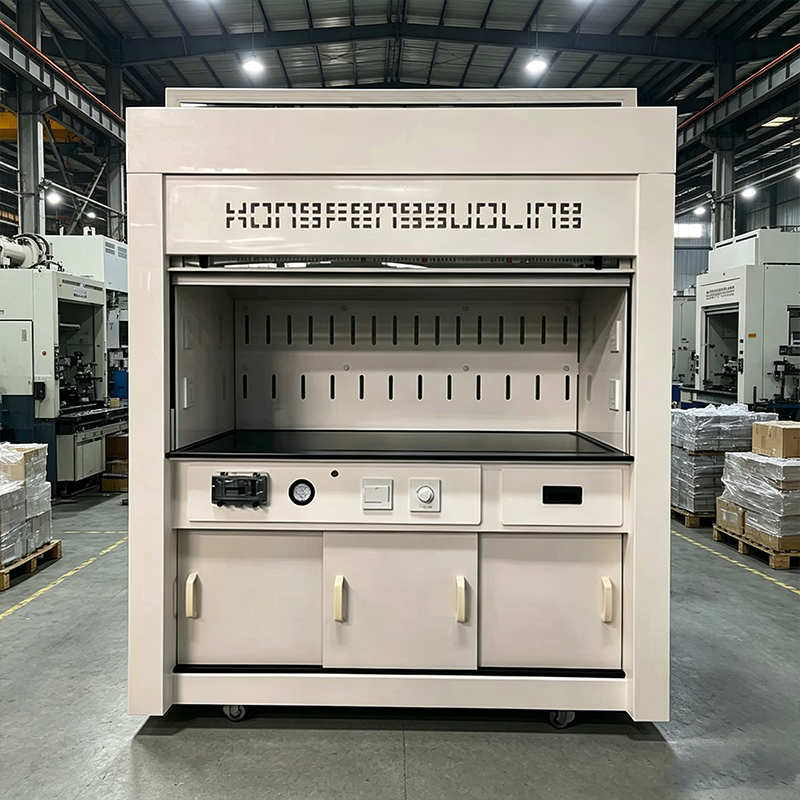
Perchloric acid is one of the most powerful and hazardous chemicals used in laboratories. While it is widely used in analytical chemistry, material testing, and research applications, it also creates serious safety challenges. Therefore, laboratories must use specialized equipment when handling perchloric acid.
Among all available materials, polypropylene has become the preferred choice for perchloric acid fume hoods. But why is this material so widely recommended?
In this article, we will explore the advantages of polypropylene, its role in laboratory safety, and why many laboratories choose polypropylene perchloric acid fume hoods from experienced laboratory furniture manufacturers and laboratory equipment manufacturers such as AMPLE.
Why Perchloric Acid Requires Specialized Fume Hoods
Unlike many common laboratory chemicals, perchloric acid can form highly reactive and potentially explosive residues when it accumulates inside ductwork or equipment.
As a result, standard steel or painted metal fume hoods are often unsuitable for long-term perchloric acid applications. Over time, corrosive vapors can damage surfaces, weaken structural components, and increase maintenance costs.
Therefore, laboratories handling perchloric acid need a fume hood that offers:
- Excellent chemical resistance
- Long-term corrosion protection
- Easy cleaning and maintenance
- Safe airflow management
- Reliable performance under harsh conditions
This is where polypropylene stands out.
How Polypropylene Provides Superior Chemical Resistance
One of the biggest advantages of polypropylene is its outstanding resistance to aggressive chemicals.
Unlike metal materials, polypropylene does not rust or corrode when exposed to perchloric acid vapors. In addition, it resists damage from many other acids commonly used in laboratories.
Because of this, polypropylene fume hoods can maintain their structural integrity for many years, even in demanding environments.
Key benefits include:
- Resistance to perchloric acid corrosion
- Resistance to strong acids and chemical fumes
- Non-reactive surface properties
- Longer service life
- Reduced maintenance requirements
As a result, laboratories can improve safety while reducing long-term operating costs.
Why Polypropylene Improves Laboratory Safety
Safety is always the top priority in laboratory design.
Polypropylene contributes to safety in several ways. First, its smooth and non-porous surface prevents chemical buildup. This makes cleaning easier and helps reduce the risk of residue accumulation.
Second, polypropylene does not produce corrosion particles that could contaminate sensitive experiments.
Furthermore, because the material remains stable when exposed to harsh chemicals, laboratories face fewer equipment failures and fewer unexpected repairs.
For laboratories working with hazardous chemicals, these advantages can significantly improve overall safety performance.
Polypropylene vs Stainless Steel for Perchloric Acid Applications
Many laboratory managers compare polypropylene with stainless steel when selecting a perchloric acid fume hood.
Although stainless steel is strong and durable, it may eventually suffer corrosion when repeatedly exposed to aggressive acid vapors.
Polypropylene offers several important advantages:
FeaturePolypropyleneStainless SteelCorrosion ResistanceExcellentModerateChemical ResistanceExcellentGoodMaintenance NeedsLowMediumSurface CleaningEasyModerateLong-Term Acid ExposureExcellentLimited
Therefore, many laboratory equipment manufacturers recommend polypropylene for perchloric acid handling applications.
How AMPLE Supports Modern Laboratory Safety
As a professional laboratory furniture manufacturer and laboratory equipment manufacturer, AMPLE focuses on delivering reliable laboratory safety solutions for research facilities, universities, testing centers, and industrial laboratories.
AMPLE designs and manufactures a wide range of laboratory products, including:
- Perchloric acid polypropylene fume hoods
- Laboratory fume hoods
- Chemical storage cabinets
- Biological safety cabinets
- Laminar flow cabinets
- Laboratory workstations
- Laboratory furniture systems
By combining durable materials with practical engineering, AMPLE helps laboratories create safer and more efficient work environments.
More information can be found at www.cdample.com.
AMPLE Project Solution: Corrosion Challenges in a Chemical Testing Laboratory
A chemical testing laboratory required a fume hood system for routine perchloric acid digestion procedures.
The laboratory had previously used conventional metal fume hoods. However, after several years of operation, visible corrosion appeared on internal surfaces. Maintenance costs increased, and equipment downtime became a concern.
To address these challenges, the laboratory selected a polypropylene perchloric acid fume hood solution from AMPLE.
The results included:
- Improved resistance to acid vapors
- Reduced maintenance frequency
- Easier cleaning procedures
- Longer expected equipment lifespan
- Enhanced operator confidence
As a result, the laboratory achieved greater operational reliability while improving workplace safety.
Key Features to Look for in a Polypropylene Perchloric Acid Fume Hood
Not all fume hoods are designed equally. Therefore, laboratories should evaluate several important features before purchasing.
Look for:
Polypropylene Construction
The entire interior should use high-quality polypropylene materials to maximize chemical resistance.
Smooth Internal Surfaces
Smooth surfaces help prevent residue buildup and simplify cleaning procedures.
Reliable Airflow Design
Proper airflow is essential for capturing hazardous vapors and protecting laboratory personnel.
Durable Work Surfaces
Work surfaces should withstand continuous exposure to corrosive chemicals.
Professional Manufacturing Standards
Choosing an experienced laboratory furniture manufacturer ensures better product quality and long-term reliability.
Why Laboratories Continue Choosing Polypropylene Fume Hoods
Laboratories today face increasing demands for safety, compliance, and operational efficiency.
Because of its exceptional chemical resistance and low maintenance requirements, polypropylene remains one of the most trusted materials for perchloric acid applications.
In addition, laboratories benefit from:
- Longer equipment life
- Improved worker protection
- Lower maintenance costs
- Better resistance to aggressive chemicals
- Consistent performance in demanding environments
These advantages explain why polypropylene has become the industry standard for many perchloric acid fume hood installations worldwide.
Conclusion
When handling perchloric acid, material selection is critical. Standard materials may degrade over time, creating safety risks and increasing maintenance expenses.
Polypropylene offers a superior solution thanks to its excellent corrosion resistance, chemical durability, and easy maintenance. Consequently, it has become the preferred material for perchloric acid fume hoods in research, industrial, and testing laboratories.
As an experienced laboratory furniture manufacturer and laboratory equipment manufacturer, AMPLE provides high-quality polypropylene fume hood solutions designed to meet the needs of modern laboratories. By choosing the right equipment, laboratories can improve safety, extend equipment life, and support efficient daily operations.
To learn more about laboratory safety solutions and polypropylene perchloric acid fume hoods, visit www.cdample.com.


