Perchloric Acid Resistant Fume Hood: Personnel Protection
News Details
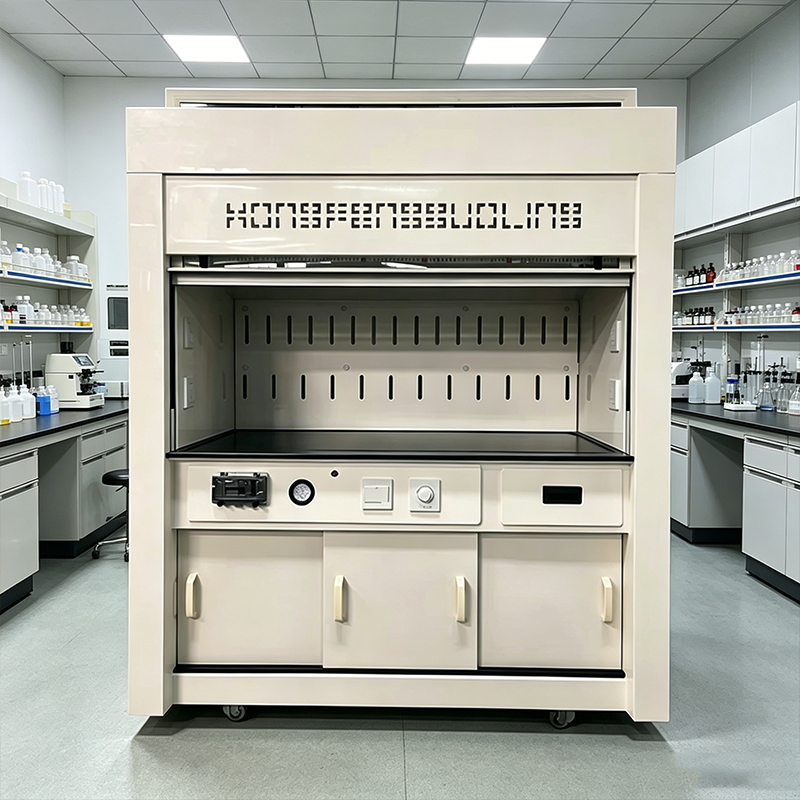
Laboratories that handle perchloric acid face unique safety challenges. Perchloric acid is a strong oxidizing agent that can create highly hazardous conditions if it is not handled correctly. Therefore, laboratories must use specialized equipment designed to manage these risks safely.
One of the most important pieces of equipment is a perchloric acid resistant fume hood. Unlike standard fume hoods, these systems are specifically designed to withstand corrosive chemicals while safely removing dangerous fumes from the work area.
In this article, we will explore how a perchloric acid resistant fume hood protects laboratory personnel and why it is a critical investment for modern laboratories.
Why Is Perchloric Acid Dangerous in Laboratories?
Perchloric acid is commonly used in chemical analysis, pharmaceutical research, metallurgy, electronics manufacturing, and scientific testing. However, it presents several serious hazards.
These hazards include:
- Highly corrosive vapors
- Strong oxidizing properties
- Potential fire and explosion risks
- Damage to laboratory equipment
- Harmful exposure to laboratory personnel
As a result, ordinary ventilation systems are often insufficient. Laboratories working with perchloric acid require specially engineered fume hoods designed to handle these risks safely.
How Does a Perchloric Acid Resistant Fume Hood Protect Laboratory Personnel?
A perchloric acid resistant fume hood provides multiple layers of protection.
First, it captures hazardous fumes at the source. This prevents dangerous vapors from entering the breathing zone of laboratory workers.
Second, it maintains controlled airflow. The airflow directs contaminated air away from personnel and toward the exhaust system.
Third, it reduces chemical exposure. By removing harmful airborne contaminants, laboratory staff can work more safely and comfortably.
In addition, specialized wash-down systems can help prevent the accumulation of perchlorate residues inside ductwork and exhaust systems. This feature significantly reduces long-term safety risks.
Therefore, a properly designed perchloric acid resistant fume hood becomes an essential part of laboratory contamination control and personnel protection.
Why Polypropylene Construction Improves Laboratory Safety
Material selection plays a major role in fume hood performance.
Traditional steel fume hoods may suffer corrosion when exposed to strong acids over time. In contrast, polypropylene offers excellent chemical resistance.
Key benefits include:
- Outstanding corrosion resistance
- Long service life
- Smooth surfaces for easier cleaning
- Reduced maintenance requirements
- Improved resistance to aggressive chemicals
Because of these advantages, many laboratories choose polypropylene perchloric acid resistant fume hoods for high-risk applications.
As a professional laboratory equipment manufacturer, AMPLE designs and supplies polypropylene fume hoods that meet the demanding requirements of corrosive laboratory environments.
Essential Features of a Perchloric Acid Resistant Fume Hood
Not all fume hoods are suitable for perchloric acid applications. Laboratories should carefully evaluate several important features.
Perchloric Acid Resistant Materials
The hood structure should be manufactured using materials that can resist long-term chemical attack.
Efficient Airflow Design
Proper airflow helps maintain containment and ensures harmful vapors are safely exhausted.
Wash-Down System
Wash-down systems help remove perchlorate deposits that may accumulate inside the hood and exhaust system.
Corrosion Resistant Exhaust Components
Fans, ducts, and accessories should also be resistant to chemical corrosion.
Compliance with Laboratory Safety Standards
Reliable fume hoods should be designed according to applicable laboratory safety requirements and industry standards.
Together, these features provide a safer working environment for laboratory personnel.
Client Solution: AMPLE Perchloric Acid Resistant Fume Hood for a Metallurgical Laboratory
A metallurgical testing laboratory needed a reliable solution for handling highly corrosive acid digestion procedures involving perchloric acid.
The laboratory faced several challenges:
- Frequent equipment corrosion
- Concerns about operator safety
- High maintenance costs
- Strict safety requirements
To address these issues, AMPLE supplied a custom polypropylene perchloric acid resistant fume hood solution.
The system included:
- Chemical-resistant polypropylene construction
- Optimized airflow design
- Corrosion-resistant exhaust components
- Laboratory-specific configuration based on workflow requirements
As a result, the laboratory improved operator protection, reduced equipment deterioration, and enhanced overall laboratory safety.
This project demonstrates how selecting the right laboratory equipment manufacturer can significantly improve both safety and operational efficiency.
Why Laboratories Choose AMPLE as Their Laboratory Furniture Manufacturer
Laboratories around the world require more than standard equipment. They need customized solutions that address their specific applications.
AMPLE specializes in laboratory safety equipment and laboratory infrastructure solutions.
Key product categories include:
- Perchloric acid resistant fume hoods
- Polypropylene fume hoods
- Laboratory furniture systems
- Flammable storage cabinets
- Chemical storage cabinets
- Biological safety equipment
- Gas cylinder cabinets
- Laboratory accessories
As an experienced laboratory furniture manufacturer and laboratory equipment manufacturer, AMPLE provides tailored solutions for universities, research institutes, pharmaceutical facilities, industrial laboratories, and government projects.
More information can be found at https://www.cdample.com/.
How to Select the Right Perchloric Acid Resistant Fume Hood
Choosing the right fume hood is essential for laboratory safety.
Before purchasing, laboratories should consider:
- Types of chemicals being used
- Frequency of perchloric acid applications
- Required airflow performance
- Material compatibility
- Laboratory layout
- Future expansion requirements
Working with an experienced laboratory equipment manufacturer can help ensure the system meets both safety and operational goals.
Conclusion
Perchloric acid presents significant hazards that require specialized laboratory protection. A perchloric acid resistant fume hood helps protect laboratory personnel by controlling hazardous fumes, reducing chemical exposure, preventing corrosion, and supporting a safer working environment.
For laboratories that regularly handle strong acids, investing in a high-quality perchloric acid resistant fume hood is a critical safety decision.
As a trusted laboratory furniture manufacturer and laboratory equipment manufacturer, AMPLE offers customized laboratory safety solutions designed for demanding applications. Whether you operate a research laboratory, industrial testing facility, pharmaceutical laboratory, or metallurgical center, AMPLE can provide reliable equipment to help protect personnel and improve laboratory performance.
Learn more about AMPLE's laboratory solutions at https://www.cdample.com/.


