What Is a Laboratory Fume Hood and Why Is It Essential for Chemical Safety?
News Details
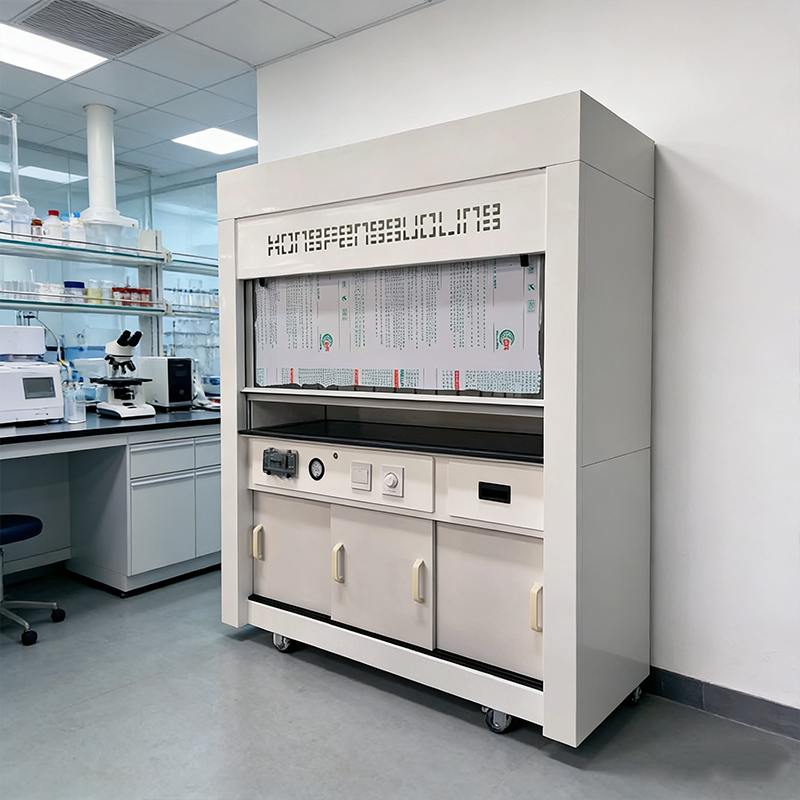
A laboratory fume hood is one of the most critical safety devices in chemical laboratories. Designed to capture, contain, and exhaust hazardous fumes, vapors, and airborne particles, it protects laboratory personnel from exposure to dangerous substances during experiments and chemical handling.
Without a properly functioning fume hood, laboratories face increased risks of toxic inhalation, fire hazards, and environmental contamination.
What Is a Laboratory Fume Hood?
A laboratory fume hood is a ventilated enclosure that limits exposure to hazardous or toxic fumes, vapors, and dust. It typically consists of:
-
A ventilated cabinet enclosure
-
A movable front sash (glass window)
-
Internal baffle system for airflow control
-
Exhaust duct connected to a ventilation system
-
Work surface designed for chemical resistance
When operating correctly, the fume hood draws air inward from the laboratory, preventing contaminants from escaping into the room.
How Does a Laboratory Fume Hood Work?
A fume hood operates by maintaining a controlled airflow known as face velocity, typically around 0.3–0.5 m/s depending on standards and application.
The airflow:
-
Pulls contaminated air away from the user
-
Directs it through internal baffles
-
Exhausts it safely outside the building or through filtration systems
This continuous airflow creates a protective barrier between the user and hazardous chemicals.
Why Is a Laboratory Fume Hood Essential for Chemical Safety?
1. Protection Against Toxic Exposure
Many laboratory chemicals release harmful vapors that can cause respiratory damage, irritation, or long-term health effects. A properly designed fume hood prevents direct inhalation of these substances.
2. Fire and Explosion Risk Reduction
Flammable solvents and reactive chemicals can produce combustible vapors. A fume hood helps dilute and remove these vapors, reducing ignition risks.
3. Regulatory Compliance
Laboratory safety standards such as:
-
EN standards in Europe
-
OSHA regulations in the United States
-
ASHRAE ventilation guidelines
often require appropriate ventilation systems when handling hazardous chemicals. Installing certified laboratory fume hoods ensures compliance with these regulations.
4. Environmental Protection
By controlling and directing hazardous emissions, fume hoods reduce contamination of the indoor laboratory environment and surrounding areas.
Types of Laboratory Fume Hoods
Depending on application and chemical type, laboratories may use:
-
Ducted fume hoods – connected to external exhaust systems
-
Ductless fume hoods – using filtration systems
-
PP fume hoods – designed for highly corrosive chemicals
-
Low-flow or energy-efficient fume hoods
Selecting the correct type depends on chemical risk level, laboratory layout, and regulatory requirements.
Conclusion
A laboratory fume hood is not simply a piece of equipment — it is a fundamental safety system for chemical laboratories. By capturing and exhausting hazardous fumes, it protects personnel, ensures regulatory compliance, and reduces fire and health risks.
Investing in a high-quality laboratory fume hood is an essential step in maintaining a safe, compliant, and efficient laboratory environment.


