What Certifications Should a Flammable Safety Storage Cabinet Meet for Global Projects?
News Details
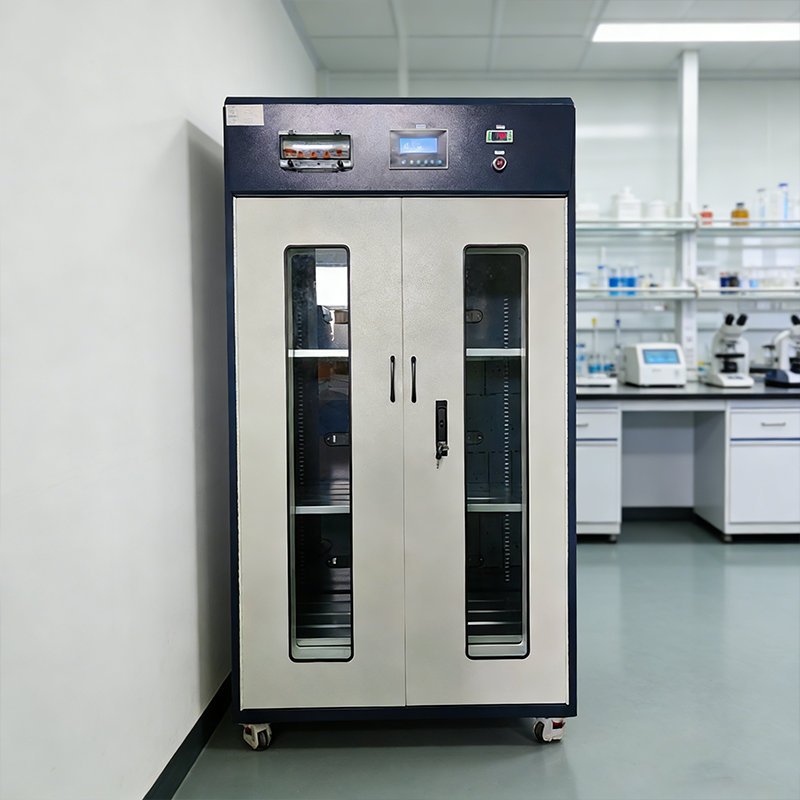
When supplying laboratory or industrial projects across different countries, compliance is not optional — it is essential. A flammable safety storage cabinet used in global projects must meet internationally recognized certifications to ensure fire protection, workplace safety, and regulatory approval.
Understanding which certifications are required can help project contractors, laboratory planners, and procurement teams avoid costly delays and compliance risks.
1. EN 14470-1 (European Fire Resistance Standard)
For projects in Europe and many international markets, EN 14470-1 is one of the most important standards.
This standard defines:
-
Fire resistance performance (Type 15, 30, 60, or 90 minutes)
-
Structural integrity during fire exposure
-
Self-closing door mechanisms
-
Temperature rise limitations inside the cabinet
Type 90 cabinets, offering 90 minutes of fire resistance, are commonly specified for high-risk laboratory environments.
2. CE Certification
CE marking indicates conformity with European health, safety, and environmental protection requirements.
For flammable safety storage cabinets, CE compliance typically involves:
-
Mechanical safety
-
Structural stability
-
Material performance
-
Manufacturing consistency
CE certification is often mandatory for projects within the European Economic Area and simplifies approval in many international tenders.
3. NFPA 30 (United States)
For projects in the United States or following American safety standards, NFPA 30 (Flammable and Combustible Liquids Code) is critical.
NFPA 30 specifies:
-
Maximum allowable storage quantities
-
Construction requirements (double-wall steel, 1.5-inch air space)
-
Self-closing doors
-
Labeling and grounding requirements
Many global engineering firms reference NFPA standards even outside the U.S.
4. OSHA Compliance
The Occupational Safety and Health Administration (OSHA) regulates workplace safety in the U.S. OSHA requirements often align with NFPA standards and focus on:
-
Employee protection
-
Proper chemical labeling
-
Safe storage practices
For multinational companies, OSHA-aligned cabinets are frequently specified in procurement documents.
5. FM Approval (Factory Mutual)
Some high-risk industrial facilities require FM Approved flammable storage cabinets.
FM Approval involves third-party testing for:
-
Fire endurance
-
Explosion resistance
-
Structural performance
FM certification adds an additional layer of credibility and is often required for petrochemical, energy, and pharmaceutical facilities.
6. Local and Regional Regulations
Beyond international standards, global projects may also require compliance with:
-
Local fire codes
-
Environmental regulations
-
Insurance requirements
-
Government procurement specifications
Project teams should always verify country-specific compliance before finalizing cabinet selection.
Why Certification Matters in Global Projects
In international laboratory and industrial construction projects, certification affects:
-
Project approval timelines
-
Safety inspections
-
Insurance coverage
-
Long-term operational compliance
Using non-certified or improperly certified flammable safety storage cabinets can lead to regulatory penalties, project delays, or safety risks.
Conclusion
For global projects, a compliant flammable safety storage cabinet should meet key international certifications such as EN 14470-1, CE, NFPA 30, and OSHA requirements, with FM Approval where applicable.
Choosing certified products from experienced manufacturers ensures smoother project execution, regulatory acceptance, and reliable long-term fire protection. In international laboratory and industrial environments, certification is not just a technical requirement — it is a critical element of risk management and compliance strategy.


