Ductless Fume Hood Manufacturer: What Should Buyers Look For?
News Details
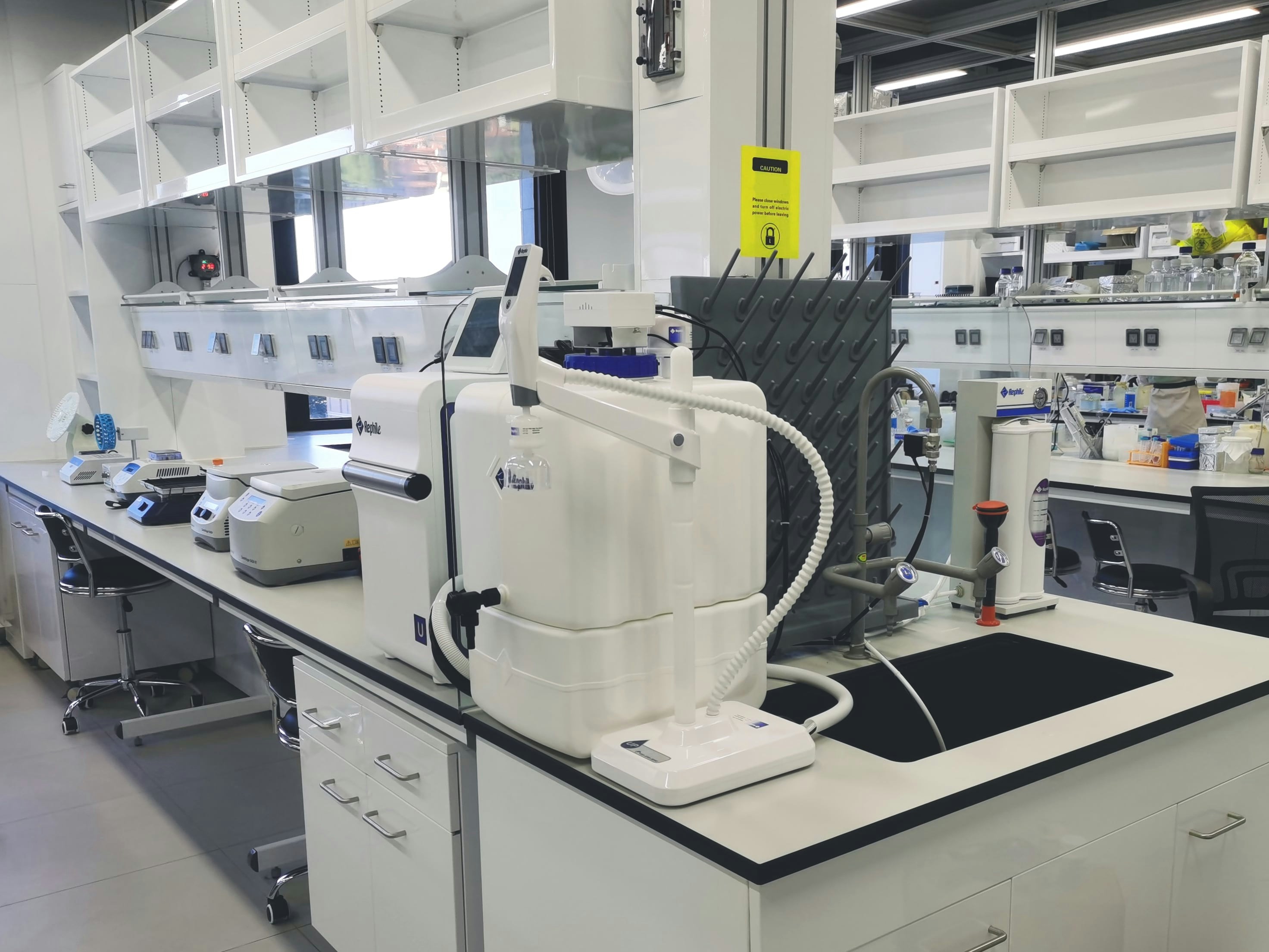
Choosing a reliable ductless fume hood manufacturer is important for laboratories, research centers, schools, and industrial facilities. A good ductless fume hood can help control exposure to harmful fumes while offering a flexible option for labs that cannot install a traditional exhaust duct system.
However, not all ductless fume hoods offer the same level of protection, filtration, or ease of use. Therefore, buyers should look beyond price and compare key features, safety standards, filter options, and after-sales support.
In this guide, we will explain what to look for in a ductless fume hood manufacturer and how to choose the right supplier for your laboratory.
1. Check theDuctless Fume HoodManufacturer's Experience
First, check the manufacturer's experience in laboratory equipment. A supplier with a strong background in lab furniture and fume hoods may better understand the needs of different workspaces.
For example, laboratories may need different hood sizes, work surfaces, storage options, and filtration systems. A manufacturer should be able to explain these options clearly and help buyers select a suitable model.
When reviewing a ductless fume hood manufacturer, consider the following points:
- Experience in laboratory furniture and fume hood production
- A clear range of laboratory products
- Product details and technical documents
- Experience serving research, education, or industrial customers
- The ability to support different project needs
In addition, ask for product specifications and installation instructions before placing an order. These details can help you compare suppliers more accurately.
2. Review Ductless Fume Hood Filtration and Safety Features
Filtration is one of the most important factors when choosing a ductless fume hood. Unlike a traditional ducted fume hood, a ductless model draws air through a filter system and returns the filtered air to the room.
As a result, the filter must be suitable for the chemicals and tasks involved. Different filter media work with different substances, so one filter cannot handle every chemical or vapor.
Before buying, ask the manufacturer about:
- Available filter types and their intended uses
- Chemical compatibility and filter selection
- Airflow monitoring and alarm functions
- Filter replacement methods and service life
- Safe operating limits and maintenance needs
Moreover, do not assume that a ductless fume hood is suitable for every laboratory task. Buyers should review the chemicals, concentrations, quantities, and work methods involved. They should also confirm that the proposed filter system is suitable for the intended application.
A qualified supplier should provide clear guidance on these limits instead of making broad claims about chemical protection.
3. Compare Ductless Fume Hood Quality and Materials
Product quality also affects the service life and daily use of a ductless fume hood. Therefore, buyers should check the materials, frame, work surface, and overall build before making a decision.
A well-designed hood should be easy to clean and maintain. It should also provide enough working space for the equipment and tasks used in the laboratory.
When comparing ductless fume hood manufacturers, review these details:
- Frame strength and overall construction
- Chemical resistance of the work surface
- Sash design and ease of movement
- Interior lighting and visibility
- Access to filters and other parts
- Ease of cleaning and routine maintenance
In addition, ask whether the manufacturer offers different sizes or custom configurations. This is especially useful for laboratories with limited floor space or special equipment requirements.
4. Check Ductless Fume Hood Standards and Test Reports
Safety documentation is another key point. A professional ductless fume hood manufacturer should be able to explain which standards apply to its products and provide relevant test reports or certificates where available.
For example, buyers may need to review applicable fume hood performance standards, electrical safety requirements, and local laboratory regulations. The exact requirements depend on the product, its intended use, and the country where it will be installed.
Do not rely on a supplier's general statement that a product is safe. Instead, ask for supporting documents and check whether they apply to the exact model you plan to purchase.
You should also confirm whether the manufacturer can provide operating manuals, filter replacement instructions, and maintenance guidance. These documents help laboratory staff use the equipment correctly and maintain it over time.
5. Look for Custom Ductless Fume Hood Solutions
Every laboratory has different space and workflow needs. For this reason, a standard ductless fume hood may not fit every project.
Some buyers need a compact unit for a school laboratory. Others may need a larger work area, special storage, or a configuration that matches existing laboratory furniture.
A ductless fume hood manufacturer should clearly explain its available options, such as:
- Different hood sizes and working dimensions
- Suitable work surfaces and cabinet options
- Filter configurations for approved applications
- Lighting and monitoring features
- Compatible laboratory furniture
- Project-based design support
However, customization should not compromise safety. Any change to the hood, airflow design, or filter system should be reviewed to ensure that the finished unit remains suitable for its intended use.
Therefore, share your laboratory layout, chemical list, and work requirements with the supplier before requesting a quotation.
6. Evaluate AMPLE's Laboratory Equipment and Fume Hood Solutions
When comparing suppliers, buyers can also review AMPLE's laboratory equipment offerings at www.cdample.com. AMPLE focuses on laboratory furniture and fume hood solutions, making its product range a useful starting point for laboratories planning a new workspace or upgrading an existing one.
Buyers interested in ductless fume hoods should review the available product information and confirm which models meet their project requirements.When contacting AMPLE, consider discussing the following points:
Product selection: Explain the type of laboratory work you perform and ask which fume hood models may be suitable.
Space planning: Share the available floor space, bench layout, and required working dimensions.
Filtration requirements: Provide a list of the chemicals involved so the supplier can help assess filter compatibility and operating limits.
Product configuration: Ask about available sizes, work surfaces, storage options, and other compatible laboratory equipment.
Technical support: Confirm the available product documents, maintenance instructions, filter replacement support, and warranty terms.
By discussing these points early, buyers can better understand the available options and reduce the risk of choosing equipment that does not fit their needs.
Before ordering, verify the current specifications and availability of the specific AMPLE model you are considering. Also, confirm that its filtration system is appropriate for your planned laboratory work.
7. Compare Ductless Fume Hood Prices and Long-Term Costs
Price is important, but the lowest quotation is not always the best choice. Buyers should compare the total cost of owning and operating a ductless fume hood.
The initial price may cover the main unit but exclude filters, installation, or other services. In addition, filters need regular inspection and replacement based on the chemicals used, operating conditions, and manufacturer guidance.
When comparing quotations, check:
- Base unit price and included accessories
- Filter type and replacement cost
- Expected filter service life under your conditions
- Energy use and operating requirements
- Warranty coverage and spare parts
- Delivery, installation, and training costs
As a result, a slightly more expensive model may offer better value if it meets your safety needs and has reasonable maintenance costs.
Ask each manufacturer to provide a clear quotation with the same basic specifications. This makes it easier to compare products on equal terms.
8. Assess Ductless Fume Hood Manufacturer Support
After-sales service is another factor buyers should not overlook. Even a well-built fume hood needs regular checks, proper operation, and maintenance.
Before placing an order, ask the manufacturer how it handles technical questions, filter replacement, spare parts, and warranty claims. You should also check whether maintenance instructions are easy to follow and whether support is available for your location.
A reliable supplier should clearly explain what is included in its service and what the buyer must arrange separately.
For laboratories with strict operating schedules, access to suitable replacement filters and clear maintenance guidance can be especially important. Therefore, evaluate the manufacturer's support plan along with the product itself.
9. Use a Ductless Fume Hood Manufacturer Checklist
Before making your final choice, use the following checklist to compare suppliers.
Selection factorWhat to checkManufacturer experienceRelevant experience in laboratory equipmentFiltrationFilter compatibility with the chemicals usedSafetySuitable design, monitoring, and supporting documentsBuild qualityMaterials, sash, work surface, and constructionCustom optionsAvailable sizes and compatible configurationsDocumentationManuals, specifications, and test reportsTotal costPurchase price, filters, and maintenanceAfter-sales supportWarranty, spare parts, and technical assistance
In addition, ask the same questions of every shortlisted supplier. This helps you compare their answers and identify missing information before you commit to a purchase.
Conclusion: Choose the Right Ductless Fume Hood Manufacturer
Choosing the right ductless fume hood manufacturer requires more than comparing prices. Buyers should assess filtration, chemical compatibility, build quality, safety documentation, customization, and long-term support.
Most importantly, the hood must be suitable for the actual chemicals and tasks performed in the laboratory. A ductless fume hood is not a universal solution, and some applications may require a ducted system or other engineering controls.
AMPLE's laboratory equipment range at www.cdample.com can be included in your supplier research. Review the available products, confirm the technical details, and discuss your project requirements with the supplier before making a decision.
By taking these steps, you can select a ductless fume hood solution that better fits your laboratory space, work needs, and safety requirements.


