Complete Guide to Choosing and Using a Lab Tripod for Safe Experiments
News Details
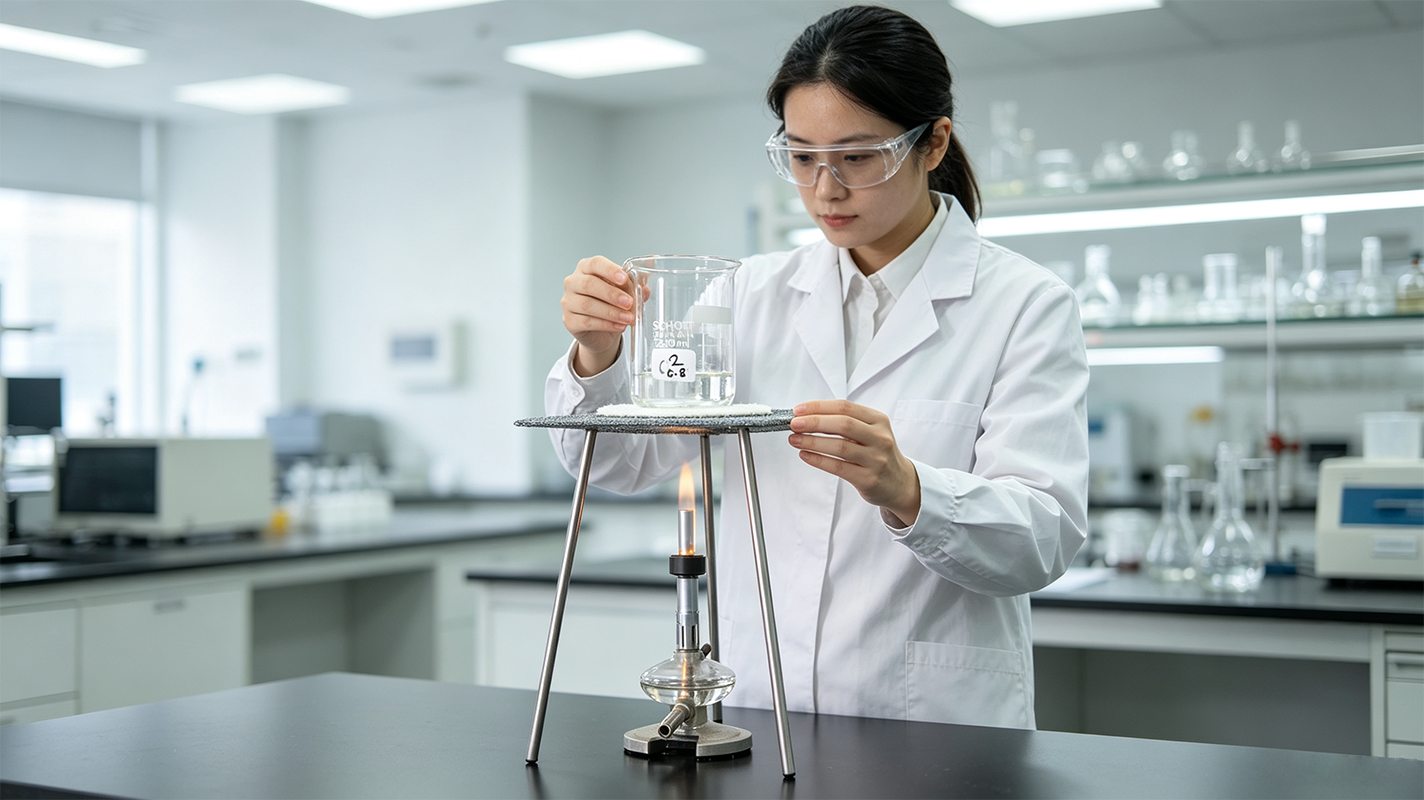
When you step into a science room, you will likely spot a lab tripod right away. It is a simple tool, yet it plays a massive role in daily tests. Without it, heating liquids safely over a flame would be very hard. In fact, this sturdy stand holds containers steady while heat is applied from below.
Understanding how a lab tripod works helps students and experts run smooth tests. Moreover, choosing the right support tool keeps the workspace safe and tidy. Let us explore what makes this tool so vital and how top manufacturers build better lab environments.
What Is a Lab Tripod and Why Do You Need One?
A lab tripod is a three-legged metal frame used to support flasks, beakers, and other glassware during heating. Typically, it features a circular top ring and three strong legs. Because of its three-point base, it stays level even on slightly uneven counters.
When you use a bunsen burner, you place it directly under the ring. Then, a wire gauze sits on top of the ring to hold the glass container. As a result, the heat spreads evenly across the bottom of the flask. Without this setup, direct flame contact could crack the glass or cause sudden spills. Therefore, adding a reliable lab tripod to your workstation is a smart step for any daily procedure.
Key Features of a Quality Laboratory Tripod Stand
Not all stands are built the same way. When looking for a durable laboratory tripod stand, you must check its build quality. High-grade steel or cast iron is normally used to handle high heat without bending.
Furthermore, a good stand resists rust and chemical splashes. Labs deal with many liquids daily, so corrosion resistance matters a lot. Legs should be firmly welded to the top ring to prevent wobbling under heavy loads. Some advanced models also include rubber feet or adjustable heights to match different burner sizes. By focusing on these features, you ensure long-lasting performance during intense heating tasks.
The Role of Trusted Manufacturers in Lab Safety
Building a safe workspace requires more than just small tools. It takes complete systems and expert manufacturing. Leading providers like AMPLE focus heavily on creating top-tier laboratory safety and workplace equipment.They specialize in items such as fume hoods, flammable storage cabinets, laminar flow cabinets, acoustic pods, and ergonomic solutions.
When research facilities partner with skilled makers, they gain access to gear that meets strict international rules like CE, ISO, and EN standards. Whether you need simple items like a lab tripod or complex ventilation units, quality manufacturing ensures that every item protects the user and the sample. Trusted brands design their hardware to withstand harsh chemical environments, lowering accident risks significantly.
Integrating Lab Tripods with Modern Laboratory Accessories
A single tool rarely works alone. To run a productive testing space, you must combine your lab tripod with other essential accessories. For instance, wire gauzes, clay triangles, and crucible tongs are frequent partners in heating setups.
Beyond heating tools, modern spaces require diverse supplies.Popular additions include pipettes, centrifuge tubes, beakers, and safety gear like gloves and goggles.Organizations like AMPLE provide integrated solutions that cover everything from basic consumables to heavy furniture and storage systems. By sourcing all parts from a reliable provider, facilities keep their workflows organized, efficient, and fully compliant with safety guidelines.
Conclusion: Upgrading Your Lab Workspace Today
In summary, alab tripodis a small yet crucial part of any successful scientific setup. It provides the steady balance needed for safe heating and smooth daily tests. However, long-term success also depends on the broader ecosystem of your workspace. By investing in high-quality hardware, durable support stands, and comprehensive safety equipment from trusted creators like AMPLE, you protect your team and improve overall productivity. Take time to evaluate your current setup, choose certified tools, and build a safer environment for all your future discoveries.


