Which Steel Fume Hood Features Matter Most for Safety and Performance?
News Details
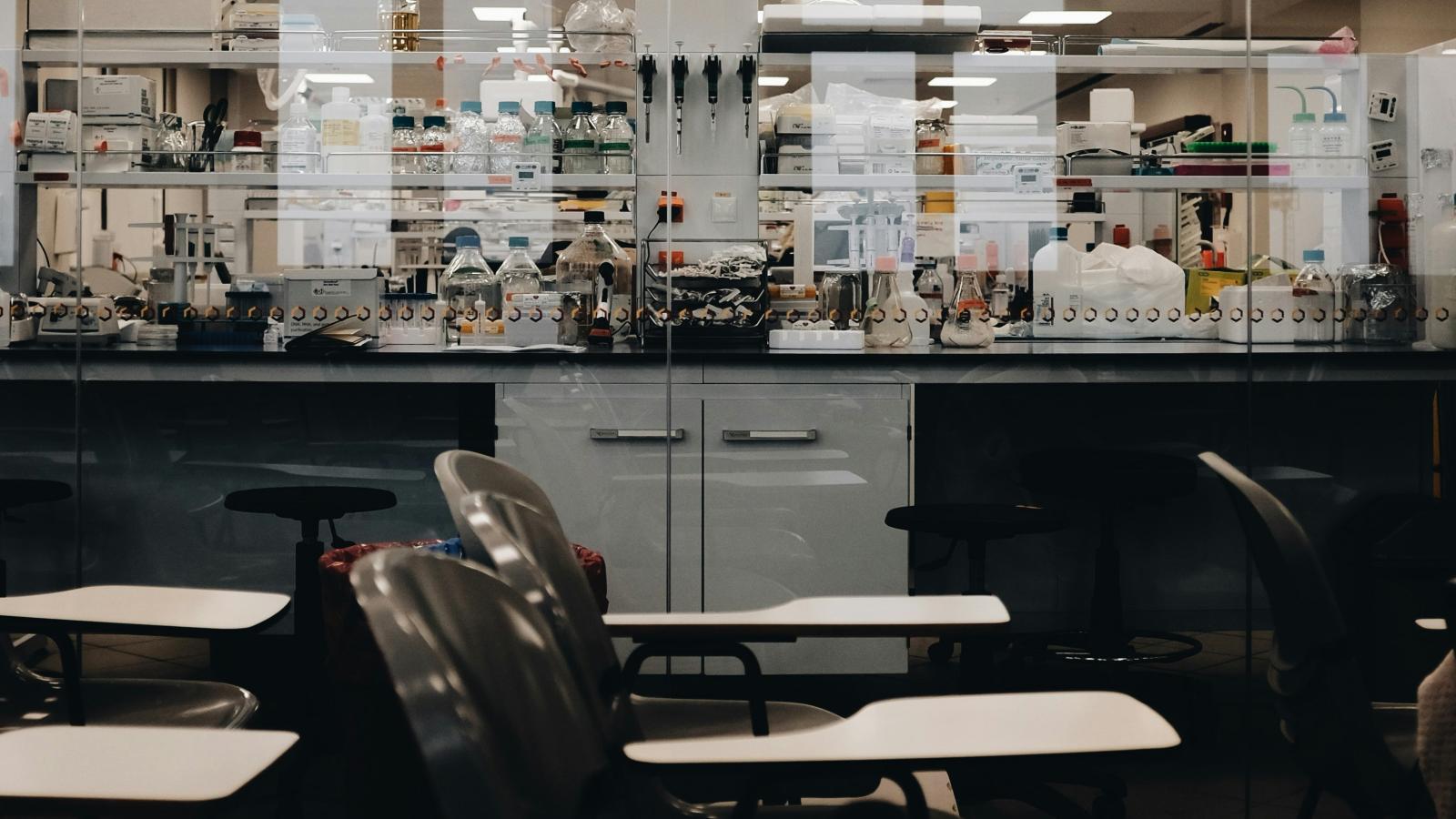
A steel fume hood is one of the most important safety tools in any laboratory. It protects users from harmful gases, chemical fumes, and airborne particles. At the same time, it helps keep the lab environment stable and clean.
However, not all fume hoods offer the same level of protection. Different features directly affect safety and performance. So, choosing the right features is very important.
In this article, we explain the key steel fume hood features that matter most. We also show how AMPLE provides reliable lab safety solutions.
Reference: https://www.cdample.com
Why Steel Fume Hood Features Are Important for Lab Safety
The performance of a fume hood depends on its design features.
Good features help:
- Improve airflow control
- Reduce chemical exposure
- Increase user safety
- Support stable operation
- Extend equipment life
Because of this, feature selection plays a key role in lab safety planning.
Airflow Control System in Steel Fume Hoods
Airflow is the most important function of a fume hood.
Stable Airflow Improves Safety
A good airflow system removes harmful fumes quickly.
This helps prevent gas buildup inside the workspace.
As a result, users stay protected during experiments.
Balanced Air Pressure Design
Balanced pressure helps maintain steady air movement.
So, air flows in a controlled direction.
This reduces the risk of backflow or leakage.
Steel Material Quality and Durability
The material of the hood affects long-term performance.
Strong Steel Structure Improves Safety
High-quality steel provides:
- Strong resistance to damage
- Long service life
- Better stability
So, the hood can handle daily lab use safely.
Corrosion Resistance Matters
Many labs use strong chemicals.
Therefore, corrosion-resistant materials are important.
They help protect the structure from chemical damage.
Safety Protection Features in Steel Fume Hoods
Safety systems are essential for lab environments.
Glass Sash Protection
The front sash protects users from direct exposure.
It also helps control airflow inside the hood.
Emergency Alarm Systems
Some fume hoods include alarms for:
- Low airflow
- System failure
- Unsafe conditions
These alerts help users respond quickly.
Lighting and Visibility Features
Good visibility improves lab accuracy.
Built-in LED Lighting
LED lights help users clearly see inside the hood.
This is important for precise work.
Clear Working Area Design
A bright and open space reduces mistakes.
So, experiments become safer and more efficient.
Ergonomic Design for Better Performance
Comfort also affects safety.
Easy Access Design
A well-designed hood allows users to move tools easily.
This improves workflow efficiency.
Adjustable Front Sash
Adjustable sashes help control airflow and user protection.
They also improve flexibility for different tasks.
Chemical Resistance Features
Chemical labs require strong protection.
Resistant Interior Surfaces
Interior materials must resist:
- Acids
- Alkalis
- Solvents
This helps extend equipment life.
Easy-to-Clean Surfaces
Smooth surfaces reduce chemical buildup.
So, cleaning becomes faster and safer.
How AMPLE Improves Steel Fume Hood Safety and Performance
AMPLE provides laboratory safety equipment designed for stable and reliable performance.
Reference: https://www.cdample.com
Advanced Airflow Design
AMPLE fume hoods focus on stable airflow systems.
This helps:
- Remove fumes efficiently
- Maintain safe working conditions
- Improve lab air quality
Strong and Durable Construction
AMPLE uses high-quality steel materials.
This ensures:
- Long service life
- Strong resistance to corrosion
- Stable structure performance
Safety-Focused Engineering
AMPLE designs equipment with user safety in mind.
Key features include:
- Stable airflow control
- Clear visibility design
- Reliable protection systems
How to Choose the Right Steel Fume Hood Features
Choosing the right features depends on your lab needs.
Consider Lab Type
Different labs require different protection levels.
For example:
- Chemical labs need strong corrosion resistance
- Research labs need stable airflow
- Industrial labs need durable structures
Consider Workload
High-use labs need stronger airflow and safety systems.
Consider Safety Standards
Always choose equipment that meets safety requirements.
This helps reduce risk and improve compliance.
Conclusion
Steel fume hood features directly affect safety and performance in laboratories. Airflow control, material quality, safety systems, and design all play important roles.
By selecting the right features, labs can improve protection, efficiency, and long-term stability.
With reliable solutions from AMPLE, laboratories can build safer and more efficient working environments for daily research and testing.


