What Materials Are Used in Flammable Safety Storage Cabinets?
News Details
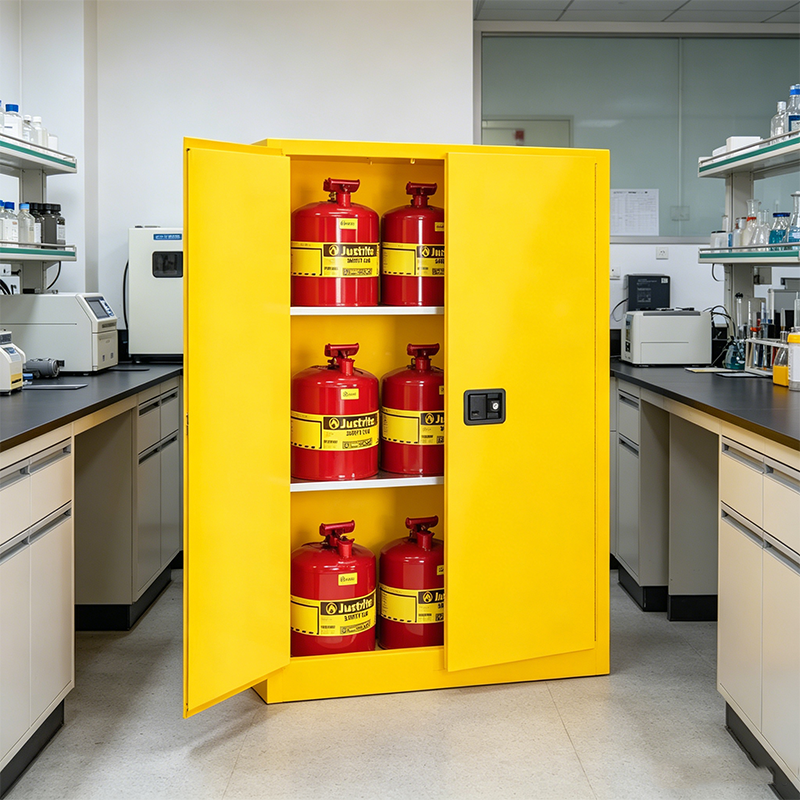
Flammable liquids are common in laboratories, factories, and industrial workplaces. However, improper storage can create serious fire risks. Therefore, choosing the right flammable safety storage cabinet is extremely important.
One of the key factors in cabinet performance is the material used during manufacturing. Different materials provide different levels of fire resistance, chemical protection, and durability. As a result, understanding these materials can help laboratories and industrial users make better decisions.
In this article, we will explain the most common materials used in flammable safety storage cabinets and why they matter. We will also explore practical storage solutions from AMPLE Products at https://www.cdample.com/.
Steel Is the Most Common Material in Flammable Safety Storage Cabinets
To begin with, steel is the primary material used in most flammable safety storage cabinets. In fact, high-quality cold-rolled steel is widely preferred because it is strong, durable, and fire-resistant.
Most cabinets use double-wall steel construction. Between the two walls, manufacturers leave an insulating air gap. This design helps slow down heat transfer during a fire. As a result, chemicals inside the cabinet remain protected for a longer time.
In addition, steel cabinets resist impact and daily wear. This makes them suitable for busy laboratories and industrial environments.
AMPLE provides heavy-duty flammable safety storage cabinets made from high-quality steel materials. These cabinets are designed for chemical laboratories, manufacturing plants, and research facilities that require reliable hazardous material storage.
Powder-Coated Surfaces Improve Chemical Resistance
Moreover, steel alone is not enough. Laboratory environments often involve corrosive chemicals and strong solvents. Therefore, flammable cabinets usually include a powder-coated finish.
Powder coating creates a protective outer layer that helps prevent:
- Rust
- Surface corrosion
- Chemical damage
- Scratches and wear
As a result, the cabinet lasts longer and remains easier to clean.
For example, laboratories storing acids, solvents, or cleaning chemicals often choose powder-coated cabinets because they maintain performance even under harsh conditions.
AMPLE integrates durable surface coating technology into many of its laboratory safety storage products, helping customers achieve long-term reliability.
Fire-Resistant Insulation Materials Add Extra Protection
In addition, some advanced flammable safety cabinets include fire-resistant insulation materials. These materials improve thermal protection during emergencies.
Common insulation materials include:
- Mineral wool
- Fire-resistant fiberboard
- Ceramic-based insulation layers
These materials reduce internal temperature increases during a fire. Consequently, they help delay chemical ignition and reduce the spread of flames.
This added protection is especially important in laboratories that store highly flammable solvents or sensitive chemicals.
At https://www.cdample.com/, AMPLE offers safety cabinet solutions designed to improve fire protection while supporting laboratory safety standards.
Stainless Steel Cabinets for Corrosive Environments
Although painted steel is widely used, some laboratories require stronger corrosion resistance. In these cases, stainless steel becomes a better choice.
Stainless steel cabinets are often used in:
- Pharmaceutical laboratories
- Food testing facilities
- Cleanrooms
- Humid environments
These cabinets resist corrosion, moisture, and chemical exposure more effectively. Furthermore, stainless steel surfaces are easier to sanitize and maintain.
However, stainless steel cabinets are usually more expensive. Therefore, users should select them based on their specific storage conditions.
AMPLE supports different laboratory applications by offering customized storage cabinet solutions for both standard and specialized environments.
Polyethylene Materials for Acid and Corrosive Chemical Storage
At the same time, not all safety cabinets are made from metal. Some cabinets use high-density polyethylene (HDPE), especially for corrosive chemical storage.
Polyethylene cabinets provide excellent resistance against:
- Strong acids
- Alkalis
- Corrosive liquids
Unlike metal cabinets, polyethylene does not rust or corrode. As a result, it is ideal for highly aggressive chemical environments.
For example, laboratories handling sulfuric acid or hydrochloric acid often use polyethylene storage systems to improve safety and durability.
While steel cabinets remain the standard for flammable liquid storage, polyethylene cabinets play an important role in specialized chemical storage applications.
Important Safety Features Supported by Cabinet Materials
Besides structural strength, cabinet materials also support several critical safety features.
These include:
- Self-closing doors
- Leak-proof spill containment sumps
- Ventilation compatibility
- Fire-resistant seals
- Adjustable chemical-resistant shelves
Together, these features help reduce accidents and improve chemical management.
For example, spill containment systems prevent liquid leaks from spreading across the laboratory floor. Meanwhile, fire-resistant door seals help limit smoke and heat penetration during emergencies.
AMPLE designs laboratory safety storage solutions with practical safety features that support modern laboratory operations.
Real Laboratory Application Using AMPLE Safety Storage Solutions
A chemical testing laboratory recently upgraded its storage area to improve fire safety and chemical organization.
Before the upgrade, the lab used standard metal cabinets that showed signs of corrosion and poor ventilation. Consequently, safety inspections became more difficult.
After switching to AMPLE flammable safety storage cabinets:
- Chemical organization improved
- Fire-risk management became more effective
- Cabinet durability increased
- Daily maintenance requirements decreased
In addition, the powder-coated steel construction provided better resistance against daily chemical exposure.
This example shows how proper cabinet materials directly impact laboratory safety and operational efficiency.
How toChoose the Right Flammable Safety Storage Cabinet
However, selecting the right cabinet depends on several factors. Therefore, laboratories should carefully evaluate their needs before purchasing.
Important considerations include:
- Type of chemicals stored
- Fire resistance requirements
- Corrosion exposure
- Storage capacity
- Laboratory layout and ventilation
For flammable solvents, double-wall steel cabinets are often the best choice. On the other hand, corrosive acids may require polyethylene or stainless steel storage systems.
As a trusted laboratory equipment manufacturer and laboratory furniture manufacturer, AMPLE provides customized storage solutions for different industries and laboratory environments.
Conclusion
In conclusion, the materials used in flammable safety storage cabinets play a major role in laboratory safety and chemical protection. Steel, powder coatings, fire-resistant insulation, stainless steel, and polyethylene all provide unique benefits depending on the application.
Therefore, choosing the right cabinet material is essential for protecting personnel, facilities, and hazardous chemicals.
If you are looking for reliable laboratory safety storage solutions, visit https://www.cdample.com/ to exploreAMPLE’s range of flammable safety storage cabinets and laboratory equipment solutions.


