What Is a Biological Safety Cabinet and How Does It Work?
News Details
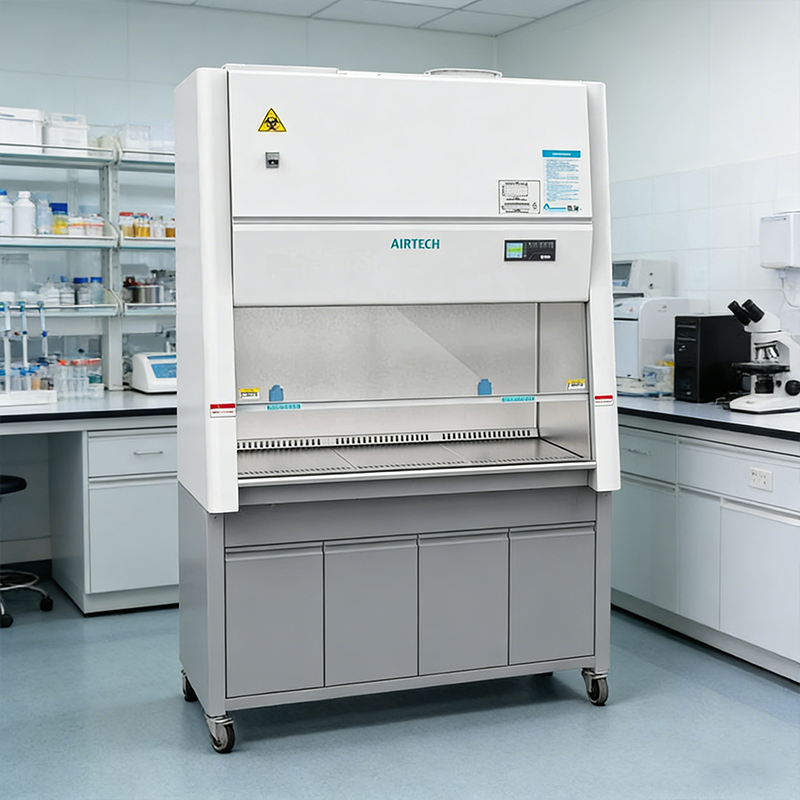
In modern laboratories, protecting personnel, samples, and the environment is critical—especially when handling infectious agents, biological materials, or sensitive cultures. One of the most essential pieces of equipment for this purpose is the biological safety cabinet, often referred to as a biosafety cabinet or simply a safety cabinet.
This article explains what a biological safety cabinet is, how it works, the different types available, and how to choose the right biosafety cabinet for your laboratory.
What Is a Biological Safety Cabinet?
A biological safety cabinet (BSC) is an enclosed, ventilated laboratory workspace designed to provide protection when working with biological agents such as bacteria, viruses, and cell cultures.
Unlike a standard chemical fume hood, which protects the user from chemical fumes, a biosafety cabinet is specifically designed to protect:
-
The operator (personnel protection)
-
The product (sample protection)
-
The environment (containment of biohazards)
A properly functioning biological safety cabinet uses controlled airflow and high-efficiency filtration systems to create a sterile working environment.
How Does a Biosafety Cabinet Work?
A biosafety cabinet operates using a combination of airflow control and HEPA (High-Efficiency Particulate Air) filtration.
1. Air Intake
Air is drawn into the front opening of the biological safety cabinet, creating an inward airflow that prevents contaminants from escaping into the laboratory.
2. HEPA Filtration
The incoming air passes through HEPA filters that remove 99.97% of particles ≥0.3 microns, ensuring clean air inside the safety cabinet.
3. Laminar Airflow
Inside the biosafety cabinet, filtered air flows downward in a uniform (laminar) pattern over the work surface. This protects the samples from contamination.
4. Air Exhaust System
Depending on the type of biological safety cabinet, air is either:
-
Recirculated through HEPA filters
-
Exhausted out of the laboratory
This ensures that harmful biological agents are contained and removed safely.
Types of Biological Safety Cabinets
There are several classes of biosafety cabinets, each designed for different levels of protection.
Class I Biological Safety Cabinet
-
Provides personnel and environmental protection only
-
Does not protect the sample
-
Similar airflow concept to a fume hood
Used in basic microbiological work.
Class II Biological Safety Cabinet
The most commonly used biological safety cabinet in laboratories.
Provides:
-
Personnel protection
-
Product protection
-
Environmental protection
Subtypes include:
-
Type A2 biosafety cabinet (recirculating airflow)
-
Type B2 biosafety cabinet (100% exhaust system)
Widely used in:
-
Pharmaceutical labs
-
Medical research facilities
-
University laboratories
Class III Biological Safety Cabinet
-
Fully enclosed, gas-tight safety cabinet
-
Operated using glove ports
-
Designed for high-risk biological agents
Used in maximum containment laboratories (BSL-3 and BSL-4).
Biological Safety Cabinet vs Fume Hood
Many people confuse a biological safety cabinet with a fume hood, but they serve different purposes.
| Feature | Biological Safety Cabinet | Chemical Fume Hood |
|---|---|---|
| Main Purpose | Biohazard protection | Chemical vapor removal |
| Product Protection | Yes | No |
| HEPA Filtration | Yes |
Share to:
       Chemical Fume Hoods: Get the Best Performance for Your Money
How Should a Laboratory Fume Hood Be Installed Correctly?


|