Volumetric Flask Drying Rack for Laboratory Glassware Organization
News Details
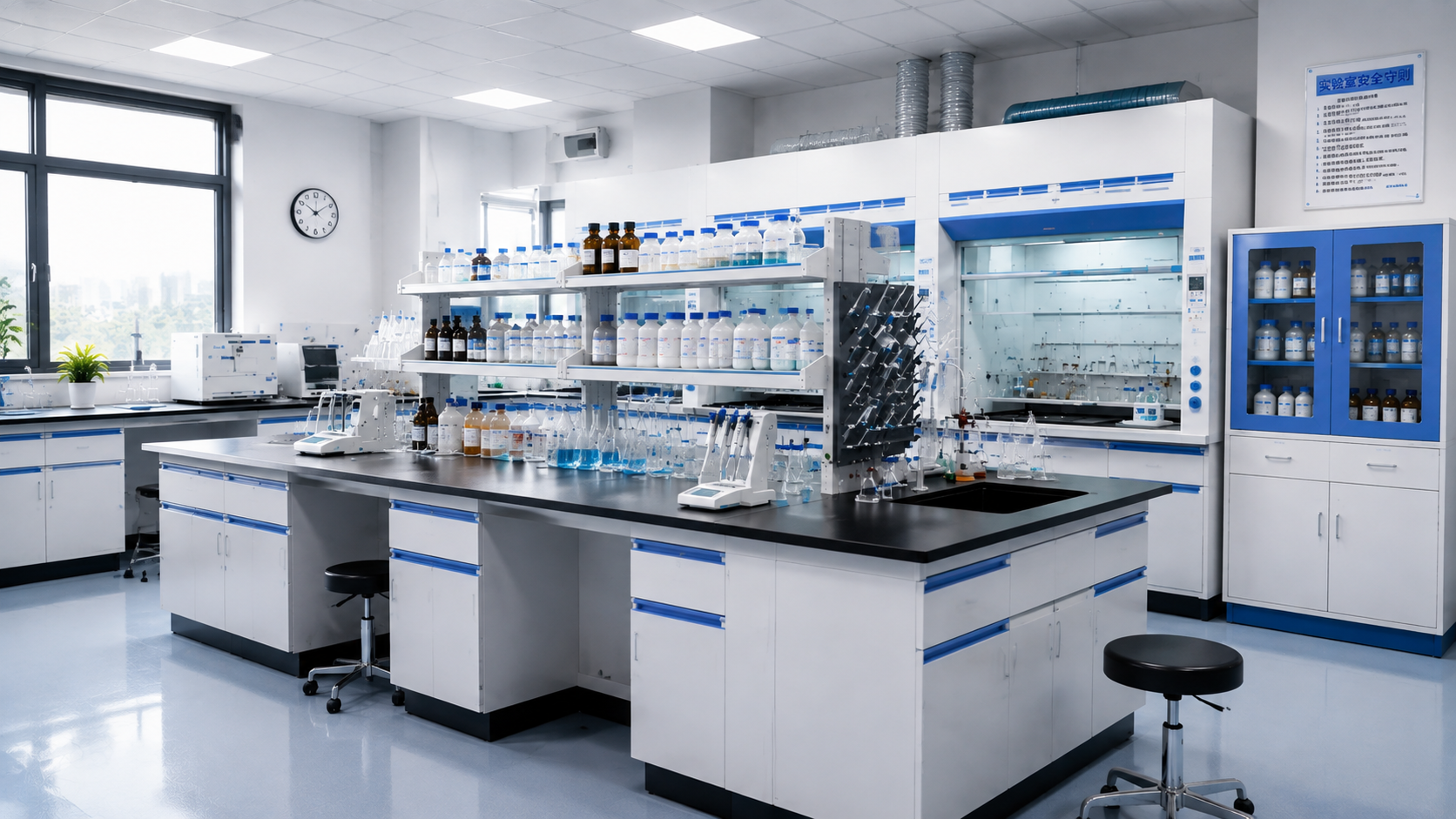
A volumetric flask drying rack is a simple but useful tool for keeping laboratory glassware clean, dry, and organized. In chemistry labs, volumetric flasks are used for accurate solution preparation. After washing, however, these flasks need proper support while they dry. If glassware is placed randomly on a bench, it can take up valuable space and may be easier to knock over.
Therefore, a well-designed laboratory glassware drying rack can improve both organization and workflow. It provides a dedicated place for volumetric flasks, beakers, test tubes, pipettes, and other labware. At the same time, it allows water to drain away and air to reach the glassware.
For laboratories that need reliable equipment and complete safety solutions, AMPLESolutions provides a wide range of laboratory equipment and customized solutions. Its product range includes a corrosion-resistant lab pegboard drying rack designed for laboratory glassware organization and drying.
What Is a Volumetric Flask Drying Rack?
A volumetric flask drying rack is a laboratory storage and drying system designed to hold glassware after cleaning. Its main job is to keep wet labware separated and stable while it dries.
Unlike a flat bench, a drying rack provides dedicated positions for different pieces of glassware. As a result, laboratories can use bench space more efficiently.
A good drying rack can be used for:
- Volumetric flasks
- Beakers
- Test tubes
- Pipettes
- Graduated cylinders
- Other laboratory glassware
In addition, some racks use adjustable pegs or different levels. This makes them more flexible for labs with different glassware sizes.
Why Is a Laboratory Glassware Drying Rack Important?
Proper glassware organization is important for daily laboratory work. First, clean glassware needs a safe place to dry. Second, laboratory staff need to find the right item quickly.
A laboratory glassware drying rack helps solve both problems.
Better Glassware Organization
When glassware is placed on a dedicated rack, each item has a clear position. Therefore, the laboratory looks cleaner and staff can locate equipment faster.
Improved Air Drying
A rack keeps glassware away from a wet countertop. Open spaces around the glassware allow air to circulate. At the same time, water can drain into a tray or other collection area.
Better Space Use
Laboratory benches often have limited space. A vertical or layered drying rack makes better use of available wall or bench space. As a result, more glassware can be handled without filling the entire work surface.
Reduced Breakage Risk
Glassware can break when it is stacked or placed too close together. A stable rack keeps items separated and reduces unnecessary contact.
Key Features of a Volumetric Flask Drying Rack
When selecting a volumetric flask drying rack, laboratories should look at several key features.
Corrosion Resistant Materials
Laboratory equipment may come into contact with water, cleaning agents, and chemicals. Therefore, corrosion resistance is important for long-term use.
AMPLE offers a Corrosion Resistance Lab Pegboard Drying Rack made with corrosion-resistant PP or coated steel. The design is suitable for laboratory glassware and supports daily cleaning and drying work.
Adjustable Pegs
Different glassware has different shapes and sizes. Adjustable pegs make it easier to arrange volumetric flasks, beakers, test tubes, and other items.
This flexibility is especially useful for laboratories that use many types of glassware.
Stable Structure
A drying rack should remain stable when glassware is placed on or removed from it. A stable structure helps protect both the rack and the glassware.
Drip Tray
A detachable drip tray is another useful feature. It collects water from washed glassware and helps keep the work area cleaner.
AMPLE's laboratory drying rack uses a detachable drip tray to support efficient draining and air drying.
Easy Cleaning
Because drying racks are used around wet glassware, they should be easy to clean. Smooth and chemical-resistant surfaces can make routine maintenance simpler.
How Does a Volumetric Flask Drying Rack Improve Lab Workflow?
A volumetric flask drying rack does more than store glassware. It can also improve the overall laboratory workflow.
First, staff can place washed glassware directly onto the rack. Next, the glassware can drain and air dry in an organized position. Finally, once dry, the items can be returned to storage or used for the next experiment.
This simple process reduces unnecessary movement. Moreover, it helps keep the workbench clear.
For research, testing, teaching, and industrial laboratories, better organization can make routine tasks easier and more efficient. AMPLE also emphasizes laboratory accessories that support daily research and testing work.
Volumetric Flask Drying Rack Applications in Laboratories
A laboratory glassware drying rack can be useful in many types of laboratories.
Chemistry Laboratories
Chemistry labs often use volumetric flasks, beakers, graduated cylinders, and test tubes. A drying rack provides a dedicated area for these items after cleaning.
Biology Laboratories
Biology labs also use a wide range of glassware and small laboratory tools. Organized drying helps keep equipment ready for repeated testing.
University and Teaching Laboratories
Teaching labs may need to clean and reuse large amounts of glassware during the same day. A drying rack helps students and staff keep equipment organized.
Industrial Testing Laboratories
Industrial laboratories often require reliable and repeatable workflows. A durable drying rack can support routine glassware cleaning and storage.
AMPLE serves universities, research institutes, hospitals, and industrial projects with laboratory safety and equipment solutions.
How to Choose the Right Laboratory Glassware Drying Rack
Choosing the right laboratory glassware drying rack depends on your glassware, workspace, and daily workload.
Consider Glassware Size
Start by checking the sizes and shapes of the volumetric flasks and other glassware used in your laboratory. The rack should provide suitable support without forcing items into tight spaces.
Check Rack Capacity
Next, consider how much glassware needs to dry at one time. A small laboratory may only need a compact rack, while a busy testing facility may need a larger or layered solution.
Look at Material Quality
Because the rack may face water and chemical exposure, choose corrosion-resistant materials where needed. This can help extend service life and reduce maintenance.
Consider Drainage
Good drainage is essential for wet glassware. A drip tray can help collect water and keep the bench cleaner.
Check Cleaning and Maintenance
Finally, choose a rack that is easy to clean. Simple structures and detachable parts can make daily maintenance more convenient.
AMPLE Laboratory Drying Rack and Safety Equipment Solutions
AMPLE Solutions is a manufacturer and integrated solution provider of laboratory safety equipment and workplace solutions. Its product range includes fume hoods, safety storage cabinets, gas cylinder cabinets, laminar flow cabinets, laboratory drying racks, and other laboratory equipment.
For glassware organization, AMPLE offers a Corrosion Resistance Lab Pegboard Drying Rack. It is designed for beakers, flasks, test tubes, pipettes, and graduated cylinders. The rack features adjustable pegs, a layered structure, and a detachable drip tray for draining and air drying.
Moreover, AMPLE focuses on customized laboratory solutions for different project needs. Its solutions serve universities, research institutes, hospitals, and industrial facilities around the world. The company states that its products comply with standards and certifications including CE, EN, ISO, NFPA, and ASHRAE, depending on the product and application.
How to Organize Volumetric Flasks on a Drying Rack
Good organization can make a drying rack even more useful.
First, place similar glassware together. For example, volumetric flasks can be grouped by size, while test tubes and pipettes can use separate positions.
Next, avoid overcrowding. Each item should have enough space for water to drain and air to circulate.
Also, place heavier or larger glassware in positions that provide stable support. Finally, clean the rack and drip tray regularly to maintain a hygienic workspace.
These simple steps can help laboratories keep glassware organized while reducing clutter.
Volumetric Flask Drying Rack vs. Flat Bench Drying
Drying glassware directly on a laboratory bench may seem convenient. However, it can create several problems.
A flat bench takes up more working space and does not provide dedicated support for each item. Water can also remain around the glassware, leaving the work surface wet.
By contrast, a volumetric flask drying rack provides structured storage and better separation. In addition, a rack with a drip tray can collect excess water.
Therefore, for laboratories that clean glassware frequently, a dedicated drying rack can be a more practical solution.
Conclusion
A volumetric flask drying rack is a practical addition to laboratories that need better glassware organization, drainage, and drying. It keeps volumetric flasks and other glassware separated, helps save bench space, and supports a cleaner workflow.
When choosing a laboratory glassware drying rack, pay attention to material quality, rack capacity, adjustable support, drainage, stability, and ease of cleaning.
For laboratories looking for professional equipment and integrated safety solutions, AMPLE provides laboratory drying racks together with a broader range of laboratory safety equipment and customized laboratory solutions. You can explore its products and solutions at AMPLE Solutions.


