How to Choose a Compliant Flammable Safety Storage Cabinet
News Details
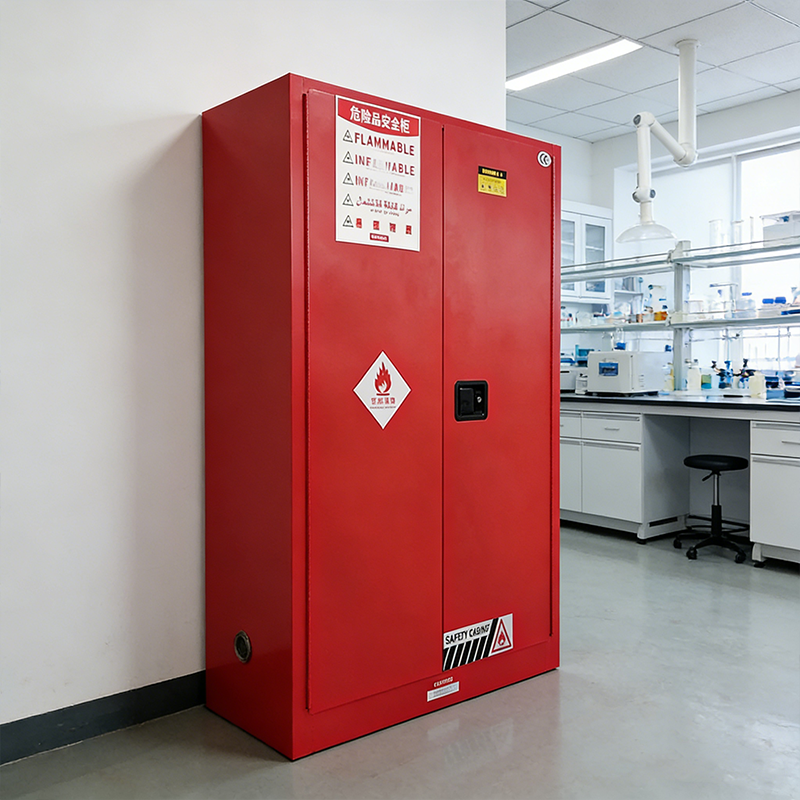
Proper storage of flammable liquids is essential for laboratory and industrial safety. Choosing a compliant flammable safety storage cabinet not only reduces fire risk but also ensures adherence to international safety regulations such as CE, EN, and NFPA standards.
This guide explains the key factors to consider when selecting the right flammable cabinet for your facility.
1. Understand Applicable Safety Standards
The first step in choosing a compliant flammable safety storage cabinet is understanding which regulations apply to your location and industry.
Common standards include:
-
CE Certification (European compliance requirements)
-
EN 14470-1 (European fire-resistant cabinet standard)
-
NFPA 30 (Flammable and combustible liquids code)
-
OSHA regulations (U.S. workplace safety requirements)
A compliant cabinet should clearly indicate which standards it meets. Always verify certification documentation from the manufacturer.
2. Determine Fire Resistance Rating
Fire resistance is one of the most critical factors in flammable liquid storage.
Under EN 14470-1, cabinets are typically classified by fire resistance duration, such as:
-
Type 15 – 15 minutes fire resistance
-
Type 30 – 30 minutes fire resistance
-
Type 60 – 60 minutes fire resistance
-
Type 90 – 90 minutes fire resistance
For laboratories handling high volumes of volatile solvents, a higher fire rating (such as Type 90) is strongly recommended.
3. Evaluate Construction and Safety Features
A compliant flammable cabinet should include:
-
Double-wall steel construction
-
Fire-resistant insulation material
-
Self-closing doors
-
Leak-proof sump base for spill containment
-
Ventilation ports with flame arresters
-
Clear flammable warning labels
-
Grounding connection to prevent static discharge
These features reduce ignition risks and improve containment in emergency situations.
4. Consider Storage Capacity and Chemical Volume
Cabinets come in various sizes and storage capacities. When selecting a model:
-
Assess the total volume of flammable liquids stored
-
Avoid overloading shelves beyond rated capacity
-
Ensure adequate internal space for container access
-
Plan for future expansion needs
Proper sizing improves organization and minimizes operational risks.
5. Assess Ventilation Requirements
Depending on local regulations, flammable cabinets may require connection to a mechanical ventilation system. Some cabinets include built-in ventilation ports designed for safe duct connection.
Before purchasing, confirm:
-
Whether external ventilation is mandatory
-
Compatibility with existing laboratory ventilation systems
-
Airflow requirements to maintain safe vapor concentration
6. Choose a Reliable Manufacturer
Compliance and safety depend heavily on manufacturing quality. When evaluating suppliers, consider:
-
Certification documentation and test reports
-
Manufacturing experience in laboratory safety equipment
-
Customization capabilities
-
Project references in laboratories or industrial facilities
A reputable manufacturer will provide technical support and compliance guidance throughout the project.
Conclusion
Choosing a compliant flammable safety storage cabinet requires careful evaluation of safety standards, fire resistance ratings, structural features, ventilation needs, and supplier credibility.
By selecting a certified and properly engineered cabinet, laboratories and industrial facilities can significantly reduce fire hazards, ensure regulatory compliance, and protect personnel and property.
Investing in the right flammable storage solution is not just a regulatory requirement — it is a critical component of workplace safety management.


