Can a Polypropylene Fume Hood Withstand Highly Corrosive Acid Vapors?
News Details
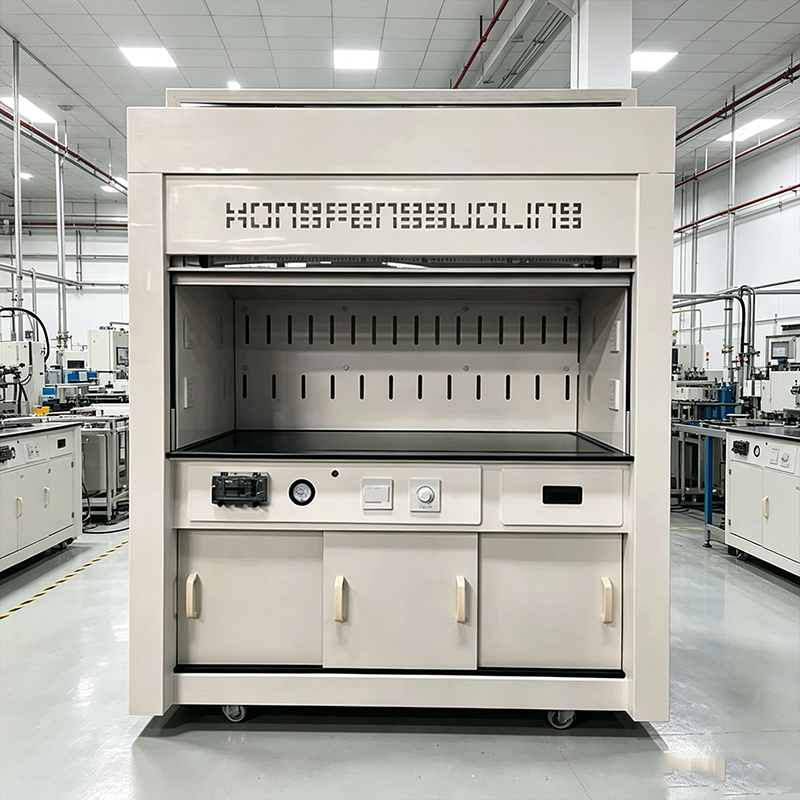
Working with strong acids can be dangerous. In many laboratories, acid vapors can damage equipment, affect experiments, and create safety risks. Therefore, choosing the right fume hood is very important. Among many options, a polypropylene fume hood has become a popular choice for handling corrosive chemicals.
But can a polypropylene fume hood truly withstand highly corrosive acid vapors? The answer is yes. In fact, polypropylene is one of the best materials for laboratories that regularly use strong acids.
Why Is a Polypropylene Fume Hood Ideal for Corrosive Acid Vapors?
A polypropylene fume hood is made from high-quality thermoplastic material. Unlike steel or wood-based cabinets, polypropylene naturally resists corrosion.
As a result, it can safely handle vapors from:
- Hydrochloric acid (HCl)
- Sulfuric acid (H₂SO₄)
- Nitric acid (HNO₃)
- Hydrofluoric acid (HF)
- Perchloric acid
- Other aggressive chemicals
Moreover, polypropylene does not rust, peel, or react with many corrosive substances. Therefore, it provides long-term protection in harsh laboratory environments.
How Does a Polypropylene Fume Hood Resist Acid Corrosion?
The main advantage of a polypropylene fume hood is its chemical resistance.
First, polypropylene has a non-reactive surface. Because of this, acid vapors cannot easily penetrate or damage the material.
Second, the material does not absorb moisture. As a result, it remains stable even in environments with continuous chemical exposure.
In addition, welded polypropylene construction creates a seamless interior. Therefore, there are fewer areas where chemicals can accumulate and cause damage.
Compared with painted steel fume hoods, polypropylene models offer much better resistance to long-term acid exposure.
Which Acids Require a Polypropylene Fume Hood?
Not every laboratory uses highly corrosive chemicals. However, laboratories handling strong acids should strongly consider a polypropylene fume hood.
These facilities often include:
- Chemical laboratories
- Pharmaceutical laboratories
- University research centers
- Environmental testing laboratories
- Semiconductor manufacturing facilities
- Metallurgical laboratories
For example, nitric acid and hydrochloric acid vapors can quickly corrode traditional metal fume hoods. However, polypropylene remains stable under the same conditions.
Therefore, laboratories working with these chemicals often choose polypropylene systems for better safety and longer equipment life.
What Are the Advantages of a Polypropylene Fume Hood Over Metal Fume Hoods?
When comparing laboratory ventilation systems, several advantages stand out.
Superior Corrosion Resistance
Unlike steel, polypropylene does not rust. Therefore, it remains effective even after years of exposure to acid fumes.
Longer Service Life
Because corrosion damage is minimized, polypropylene fume hoods often last longer in chemical laboratories.
Lower Maintenance Requirements
In many cases, laboratories spend less time and money repairing corrosion-related damage.
Improved Laboratory Safety
A properly designed polypropylene fume hood helps remove hazardous vapors and protects laboratory personnel.
Cost-Effective Long-Term Solution
Although initial costs may vary, the longer lifespan often reduces overall ownership costs.
Can a Polypropylene Fume Hood Handle Perchloric Acid Vapors?
Perchloric acid is one of the most challenging chemicals used in laboratories.
When heated, perchloric acid can produce dangerous vapors and deposits. Therefore, laboratories must use specially designed equipment.
A CE Certified Perchloric Acid Polypropylene Resistant Fume Hood is specifically engineered for this application. These systems often include:
- Corrosion-resistant polypropylene construction
- Specialized wash-down systems
- High-performance exhaust designs
- Chemical-resistant ductwork options
As a result, they provide a safer environment for laboratories handling perchloric acid processes.
How Does AMPLE Provide Reliable Polypropylene Fume Hood Solutions?
AMPLE is a professional laboratory equipment manufacturer that supplies high-quality laboratory safety solutions worldwide.
Through www.cdample.com, AMPLE offers:
- Polypropylene fume hoods
- CE Certified Perchloric Acid Polypropylene Resistant Fume Hoods
- Laboratory furniture solutions
- Chemical storage cabinets
- Flammable safety storage cabinets
- Laboratory ventilation systems
Furthermore, AMPLE focuses on laboratory safety, chemical resistance, and customized project solutions. Its products are used in universities, pharmaceutical facilities, research institutes, industrial laboratories, and government projects around the world.
By combining durable materials, advanced manufacturing, and international quality standards, AMPLE helps laboratories create safer working environments.
How Can You Choose the Right Polypropylene Fume Hood for Acid Applications?
Before purchasing a polypropylene fume hood, consider several factors:
- Types of acids being used
- Chemical concentration levels
- Airflow requirements
- Laboratory size
- Regulatory compliance needs
- Future laboratory expansion plans
In addition, working with an experienced laboratory equipment manufacturer can help ensure the correct system is selected for your application.
Conclusion: Can a Polypropylene Fume Hood Withstand Highly Corrosive Acid Vapors?
Yes, a polypropylene fume hood is one of the best solutions for handling highly corrosive acid vapors. Its excellent chemical resistance, corrosion-free construction, long service life, and low maintenance requirements make it ideal for demanding laboratory environments.
Whether your laboratory handles hydrochloric acid, nitric acid, sulfuric acid, hydrofluoric acid, or perchloric acid, a properly designed polypropylene fume hood can provide reliable protection and improved safety.
For laboratories seeking dependable corrosion-resistant ventilation solutions, AMPLE offers a wide range of polypropylene fume hoods and laboratory safety equipment through www.cdample.com.


