What Standards Should a Biological Safety Cabinet Meet (NSF, EN, ISO)?
News Details
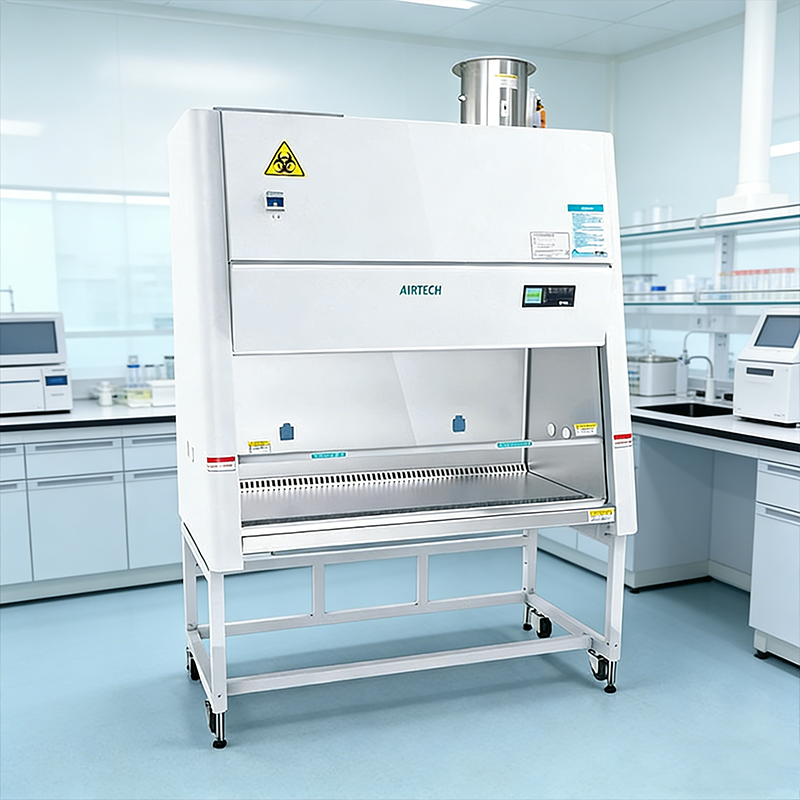
A biological safety cabinet (also known as a biosafety cabinet or BSC cabinet) is critical for protecting laboratory personnel, samples, and the environment when working with biological hazards. However, not all cabinets are equal. To ensure safety, performance, and compliance, a biological safety cabinet must meet internationally recognized standards such as NSF, EN, and ISO.
This article explains the key standards that a biosafety cabinet should comply with, what they mean, and how they influence your purchasing decision.
Why Standards Matter for Biological Safety Cabinets
Standards ensure that a biological safety cabinet performs as intended under real laboratory conditions. Without proper certification, a BSC cabinet may fail to provide adequate containment, leading to contamination or exposure risks.
Compliance with recognized standards ensures:
- Verified airflow performance
- Reliable HEPA filtration efficiency
- Safe containment of biohazards
- Consistent manufacturing quality
For laboratories in pharmaceuticals, healthcare, and research, using a certified biosafety cabinet is often mandatory.
NSF Standard: NSF/ANSI 49
The most important standard for biological safety cabinets in North America is NSF/ANSI 49, developed by NSF International.
What NSF/ANSI 49 Covers
This standard applies specifically to Class II biosafety cabinets and includes:
- Airflow velocity requirements
- HEPA filter integrity testing
- Cabinet leakage testing
- Electrical safety
- Noise and vibration limits
Why NSF Certification Matters
An NSF-certified biological safety cabinet ensures:
- High performance and safety
- Compliance with U.S. laboratory regulations
- Acceptance in pharmaceutical and clinical labs
For laboratories targeting the U.S. market, NSF certification is often essential.
EN Standard: EN 12469
In Europe, the primary standard for biosafety cabinets is EN 12469, issued by the European Committee for Standardization.
Key Requirements of EN 12469
- Minimum airflow performance levels
- Microbiological safety testing
- HEPA filter efficiency
- Operator, product, and environmental protection
Differences from NSF
While both NSF and EN standards ensure safety, EN 12469 focuses more on performance testing under European laboratory conditions.
A biological safety cabinet that meets EN standards is suitable for EU markets and international applications.
ISO Standards for Biological Safety Cabinets
The International Organization for Standardization (ISO) provides additional guidelines that apply to biosafety cabinets and laboratory environments.
Relevant ISO Standards
Although ISO does not have a single dedicated standard identical to NSF/ANSI 49, several ISO standards are important:
- ISO 14644 – Cleanroom and air cleanliness standards
- ISO 9001 – Quality management systems
- ISO 13485 – Medical device manufacturing quality
Role of ISO Standards
ISO standards ensure:
- Consistent manufacturing quality
- Clean production environments
- Global acceptance of the biological safety cabinet
ISO compliance is especially important for manufacturers exporting internationally.
Other Important Standards and Guidelines
In addition to NSF, EN, and ISO, laboratories often follow guidelines from:
- Centers for Disease Control and Prevention
- World Health Organization
These organizations provide recommendations on the proper use, certification, and maintenance of biosafety cabinets.
Key Performance Criteria Defined by Standards
Regardless of the standard, a compliant biological safety cabinet must meet several core performance criteria:
1. Airflow Velocity
Proper inflow and downflow velocities are essential to maintain containment and prevent contamination.
2. HEPA Filtration Efficiency
Filters must remove at least 99.97% of particles ≥0.3 microns to ensure clean airflow inside the BSC cabinet.
3. Containment Performance
The cabinet must prevent hazardous biological agents from escaping into the laboratory.
4. Structural Integrity
The biosafety cabinet must be leak-proof and structurally stable under operating conditions.
5. Noise and Ergonomics
Modern standards also address operator comfort, including acceptable noise levels and ergonomic design.
NSF vs EN vs ISO: Key Differences
| Standard | Region | Focus | Application |
|---|---|---|---|
| NSF/ANSI 49 | North America |
Share to:
    ?)   How Does HEPA Filtration Work in a Biological Safety Cabinet?
Class II A2 vs B2: Which Biosafety Cabinet Is Better?


|