Class II A2 vs B2: Which Biosafety Cabinet Is Better?
News Details
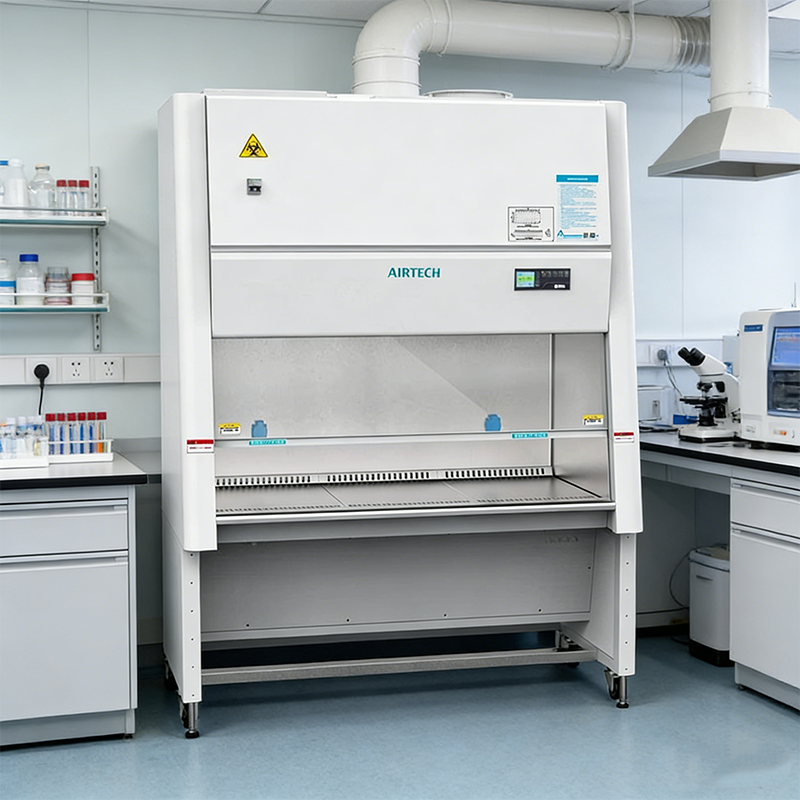
When selecting a biological safety cabinet, many laboratories face a common question: Which is better—Class II A2 or Class II B2? Both are widely used types of biosafety cabinets, offering protection for personnel, products, and the environment. However, they differ significantly in airflow design, applications, and installation requirements.
This guide compares Class II A2 and Class II B2 biological safety cabinets to help you choose the right solution for your laboratory.
Understanding Class II Biological Safety Cabinets
A biological safety cabinet (BSC) is a HEPA-filtered enclosure designed to provide three levels of protection:
- Personnel protection
- Product (sample) protection
- Environmental protection
Class II cabinets are the most commonly used type and are divided into subtypes such as A2 and B2 based on airflow patterns and exhaust systems.
Class II A2 Biological Safety Cabinet Overview
The Class II A2 biological safety cabinet is the most widely used biosafety cabinet in laboratories.
Key Features
- Approximately 70% of air is recirculated inside the cabinet
- Around 30% is exhausted after HEPA filtration
- Can be ductless or canopy-connected
- Energy-efficient compared to B2 models
Advantages
- Suitable for microbiology, cell culture, and pharmaceutical labs
- Lower installation cost
- Reduced HVAC demand
- Flexible installation (ducted or ductless)
Limitations
- Not suitable for volatile toxic chemicals or radionuclides because HEPA filters do not remove chemical fumes
Class II B2 Biological Safety Cabinet Overview
The Class II B2 biological safety cabinet is designed for high-risk applications.
Key Features
- 100% total exhaust system (no air recirculation)
- Requires dedicated external ducting
- Provides maximum containment
Advantages
- Ideal for work involving toxic chemicals, volatile compounds, or radionuclides
- Eliminates risk of chemical buildup inside the cabinet
- Highest level of protection among Class II cabinets
Limitations
- Higher installation and operating costs
- Requires complex HVAC and exhaust systems
- Less energy-efficient
Key Differences Between Class II A2 and B2
| Feature | Class II A2 Biosafety Cabinet | Class II B2 Biosafety Cabinet |
|---|---|---|
| Air Recirculation | ~70% recirculated | 0% recirculated |
| Exhaust System | Partial exhaust | 100% exhaust |
| Installation | Flexible (ductless/ducted) | Fully ducted required |
| Chemical Handling | Limited | Suitable for toxic chemicals |
| Energy Consumption | Lower | Higher |
| Typical Use | General biological work | High-risk + chemical work |
Which Is Better for Your Laboratory?
Choose Class II A2 If:
- You handle biological samples only
- Your lab focuses on cell culture, microbiology, or research
- You need a cost-effective and energy-efficient biosafety cabinet
- Your facility has limited HVAC capacity
👉 For most laboratories, the Class II A2 biological safety cabinet is the best choice due to its versatility and lower operating costs.
Choose Class II B2 If:
- You work with hazardous chemicals + biological agents
-
Share to:


 What Standards Should a Biological Safety Cabinet Meet (NSF, EN, ISO)?What Size Biological Safety Cabinet Do You Need for Your Lab?


